Category: World

  • U.S. Central Command Fires Hellfire Missile and Disables Gambian-Flagged Cargo Ship Attempting to Reach Iranian Port in High-Stakes Gulf of Oman Maritime Showdown

    U.S. Central Command Fires Hellfire Missile and Disables Gambian-Flagged Cargo Ship Attempting to Reach Iranian Port in High-Stakes Gulf of Oman Maritime Showdown

    U.S. military forces operating in the Gulf of Oman have intervened against a commercial vessel that officials said was attempting to reach an Iranian port in violation of ongoing U.S. maritime enforcement measures.

    According to a statement from United States Central Command, the incident occurred on May 29 and involved a cargo ship sailing under the Gambian flag.


    Vessel Reportedly Ignored Repeated Warnings

    Military officials identified the vessel as M/V Lian Star, stating that it was observed traveling through international waters toward an Iranian destination.

    CENTCOM said U.S. forces repeatedly contacted the ship and issued more than 20 separate warnings, informing the crew that continuing its voyage would place it in violation of the maritime restrictions being enforced by American forces.

    Despite those communications, officials reported that the vessel continued on its course.


    Hellfire Missile Strike Targets Ship’s Engine Room

    After the crew allegedly failed to comply with instructions, U.S. forces escalated the operation.

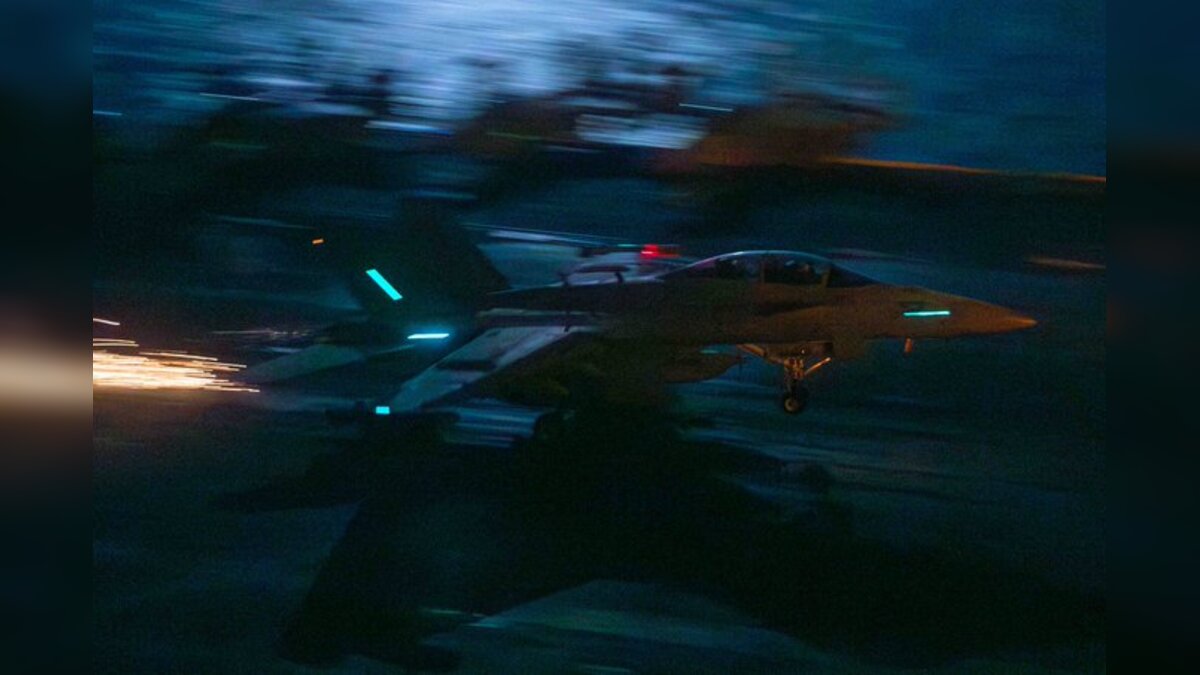
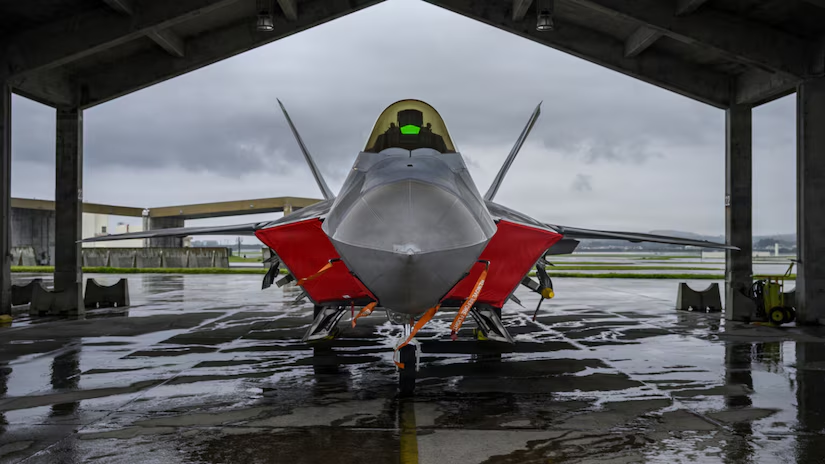
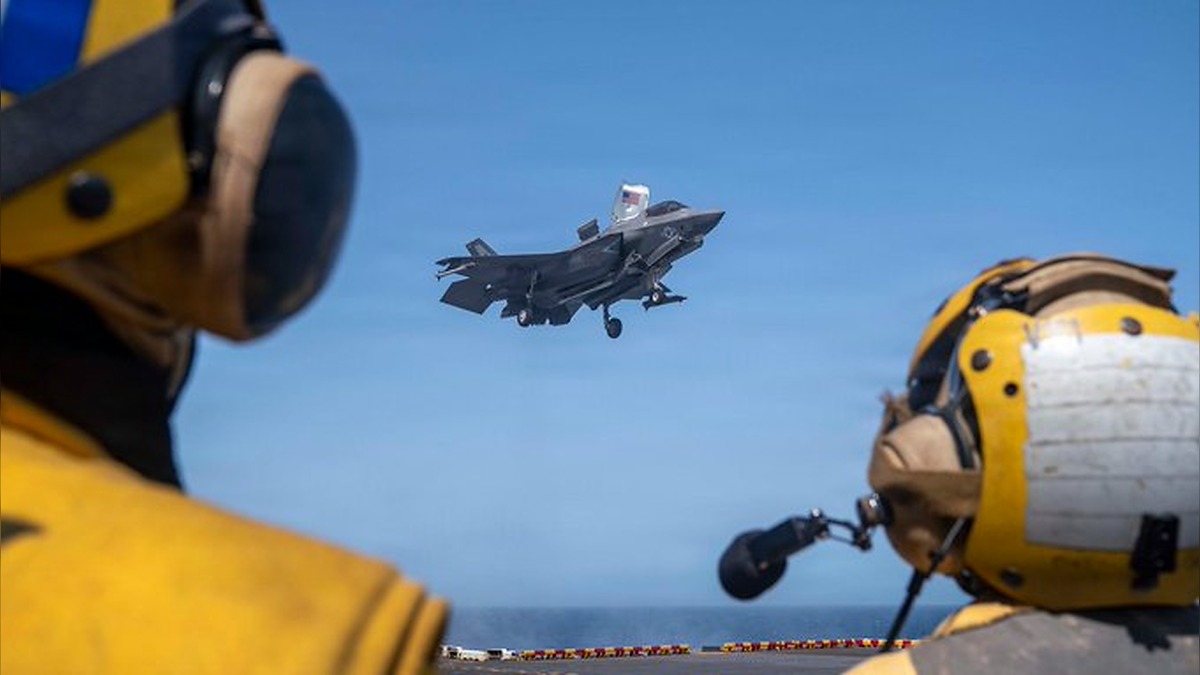
    According to the military statement, a U.S. aircraft fired a Hellfire missile at the vessel, striking its engine room and rendering the ship unable to continue its voyage.

    Officials emphasized that the action was intended to disable the vessel’s movement rather than sink the ship.

    Following the strike, the vessel was no longer proceeding toward Iran, according to CENTCOM.


    Enforcement Campaign Continues Across Regional Waters

    The latest operation forms part of a broader U.S. maritime enforcement effort in the region.

    American military officials stated that forces have now disabled five commercial vessels and redirected 116 others since the enforcement campaign began.

    The measures remain in place while a ceasefire involving Iran continues, with U.S. forces maintaining naval and aerial patrols across key shipping corridors in the Gulf of Oman and surrounding waters.


    Regional Shipping Routes Remain Under Close Monitoring

    The Gulf of Oman serves as a critical maritime gateway linking the Arabian Sea to the Strait of Hormuz, one of the world’s most strategically important energy transit routes.

    As a result, military activity in the area is closely watched by commercial shipping operators, regional governments, and international energy markets.

    The latest enforcement action underscores the continued presence of U.S. forces in monitoring vessel movements throughout the region.


    Impact and Consequences

    The disabling of another commercial vessel highlights the increasingly assertive nature of U.S. maritime enforcement operations in waters surrounding Iran.

    Such actions may raise concerns among shipping companies about navigation risks, operational delays, and compliance requirements when operating near restricted maritime routes.

    The incident could also contribute to broader geopolitical tensions as regional powers assess the implications of continued military enforcement activities.


    What’s Next?

    U.S. military forces are expected to continue monitoring commercial traffic in the Gulf of Oman and nearby waterways.

    Additional enforcement actions may occur if vessels are deemed to be violating existing restrictions, while shipping operators are likely to remain attentive to military advisories and route guidance.

    Observers will also watch for any diplomatic or regional responses following the latest intervention.
  • Vladimir Putin Expands Russia’s Grip on Kazakhstan as Massive Nuclear Power Deal and $30 Billion Trade Alliance Shake Astana

    Vladimir Putin Expands Russia’s Grip on Kazakhstan as Massive Nuclear Power Deal and $30 Billion Trade Alliance Shake Astana

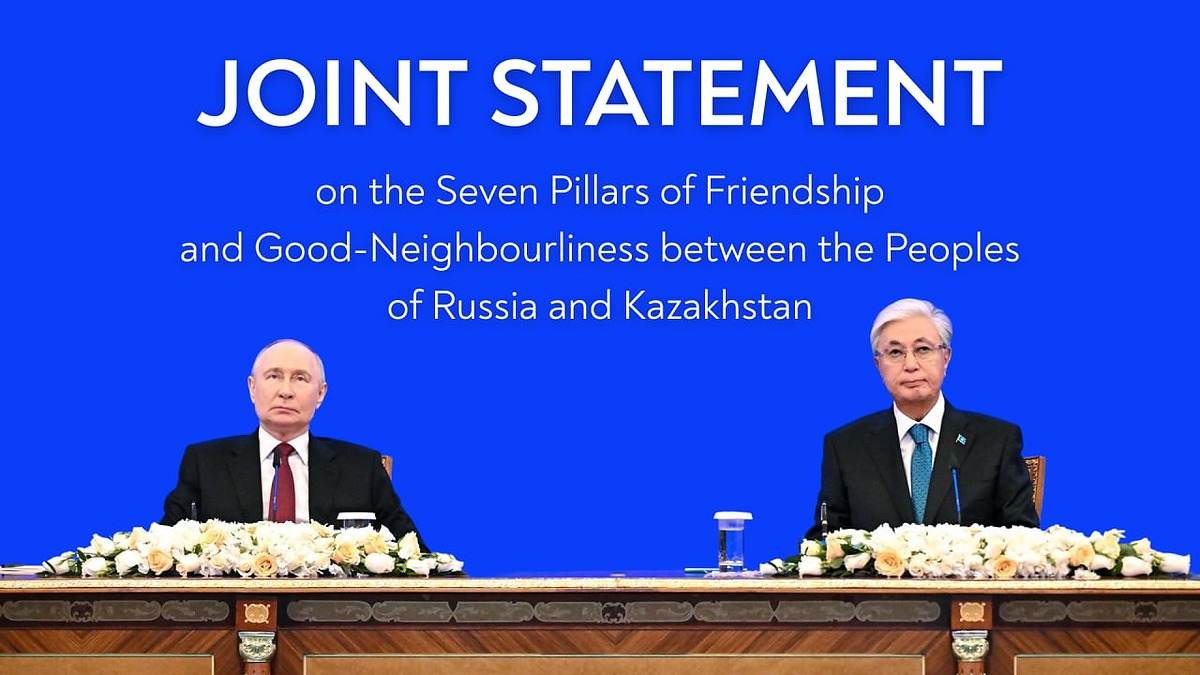
    Russian President Vladimir Putin used a high-profile meeting in Astana on Wednesday to highlight what he described as the growing strategic partnership between Russia and Kazakhstan, following extensive bilateral negotiations with Kazakh President Kassym-Jomart Tokayev.

    Speaking after the talks, Putin said discussions between both delegations focused on expanding cooperation across politics, trade, energy, technology, culture, and international diplomacy. He characterized the meeting as productive and reflective of what he called the “friendly and good-neighbourly” relationship shared by the two nations.

    Russia and Kazakhstan Sign New Agreements Across Multiple Sectors

    The talks concluded with the signing of a joint statement outlining future priorities for bilateral cooperation. Additional intergovernmental and departmental agreements were also finalized, covering sectors including healthcare, finance, education, and energy development.

    According to Putin, the agreements are designed to strengthen long-term coordination between Moscow and Astana while broadening cooperation in areas considered strategically important to both economies.

    Officials emphasized that the partnership is no longer limited to traditional trade, but is increasingly moving toward projects involving technology, infrastructure, and industrial development.

    Trade Between Moscow and Astana Approaches Record Levels

    Economic cooperation dominated much of the discussions, with Putin revealing that trade turnover between the two countries reached nearly $29 billion in 2025.

    The Russian leader said both sides are now close to surpassing the $30 billion threshold, which he suggested could happen in the near future as commercial ties continue to deepen.

    He also stressed that most transactions between the countries are now conducted in national currencies rather than foreign reserve currencies. According to Putin, this approach shields trade operations from external economic pressure and volatility in global financial markets.

    The Kremlin further noted that trade diversification is expanding beyond raw materials into products with higher added value.

    Nuclear Power Plant Project Becomes Central Energy Deal

    One of the most significant outcomes of the visit involved the approval of agreements tied to the planned construction of a nuclear power plant in Kazakhstan.

    Putin confirmed that Russia will support the project financially through a state-backed export credit arrangement. Once completed, the facility is expected to play a major role in Kazakhstan’s future energy supply and provide what Russian officials described as affordable and cleaner electricity for households and industries.

    The announcement marks one of the largest recent infrastructure partnerships between the neighboring states.

    Baikonur and Space Cooperation Remain Strategic Priorities

    The leaders also highlighted ongoing collaboration in the aerospace sector through the jointly operated Baikonur Cosmodrome.

    Putin pointed to the development of the Baiterek launch complex as an example of successful cooperation between the two countries. He noted that the new Soyuz-5 launch vehicle was recently launched from the site, describing it as a promising advancement for future space operations.

    Russia and Kazakhstan have long maintained close cooperation in space exploration, with Baikonur remaining one of the world’s most historically significant launch facilities.

    Artificial Intelligence and Digital Technology Take Center Stage

    Beyond energy and trade, the discussions also focused heavily on emerging technologies and digital modernization.

    Putin said Russia and Kazakhstan are expanding cooperation in artificial intelligence and other advanced technological solutions that could be integrated into economic and social sectors.

    He added that high technology and innovation would feature prominently during the plenary session of the Eurasian Economic Forum, attended by leaders from member states of the Eurasian Economic Union.

    Putin Praises Kazakhstan’s Support for Russian Language

    During his remarks, Putin also addressed cultural and linguistic cooperation, thanking Kazakhstan’s leadership for maintaining broad use of the Russian language throughout the country.

    He referenced Kazakhstan’s recently adopted constitution, which reaffirmed Russian as an official language. Putin also credited Tokayev with proposing the creation of an international organization dedicated to supporting the Russian language globally.

    The issue remains politically significant as Moscow continues to emphasize cultural ties across former Soviet states.

    Moscow and Astana Reaffirm Shared Foreign Policy Positions

    On international affairs, Putin stated that Russia and Kazakhstan hold closely aligned positions on many global issues.

    He said the two countries continue coordinating within several multilateral organizations, including the United Nations, the Commonwealth of Independent States, the Collective Security Treaty Organization, and the Shanghai Cooperation Organisation.

    Putin also praised Kazakhstan’s leadership of the Eurasian Economic Union this year, saying upcoming summit decisions would focus on strengthening regional integration among member states.

    The agreements announced in Astana reinforce the growing economic and geopolitical partnership between Russia and Kazakhstan at a time when regional alliances are becoming increasingly important across Eurasia.

    The nuclear power plant project could significantly reshape Kazakhstan’s energy landscape while deepening its dependence on Russian technological and financial support.

    Meanwhile, expanded use of national currencies in bilateral trade reflects broader efforts by Moscow and its partners to reduce reliance on Western-controlled financial systems amid continuing global economic tensions.

    The emphasis on artificial intelligence, digitalization, and transport infrastructure also signals a shift toward modernizing the Eurasian partnership beyond traditional energy and commodity trade.

    Attention now turns to the Eurasian Economic Union summit, where member states are expected to approve new integration measures and economic initiatives.

    Observers will also closely monitor progress on the nuclear power plant financing arrangements and the implementation of recently signed bilateral agreements.

    Further cooperation in space exploration, artificial intelligence, and regional trade mechanisms is expected to remain high on the agenda for both governments throughout 2026.

  • Hamas Military Commander Mohammed Odeh Killed in Israeli Strike in Northern Gaza

    Hamas Military Commander Mohammed Odeh Killed in Israeli Strike in Northern Gaza

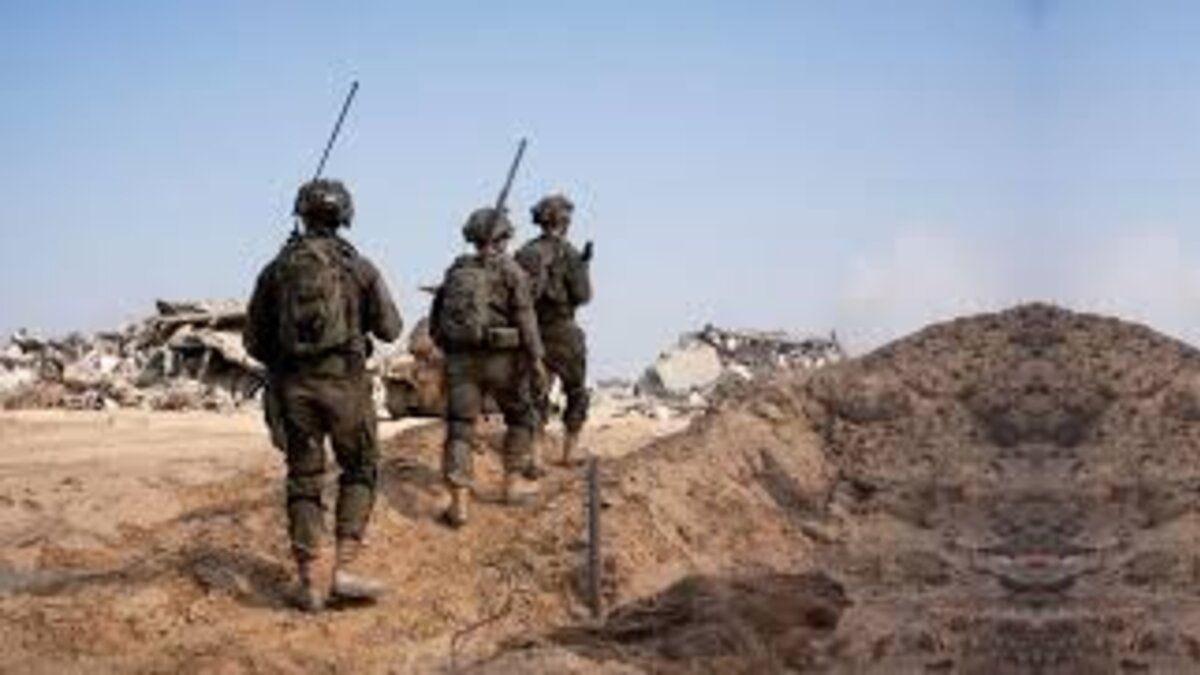
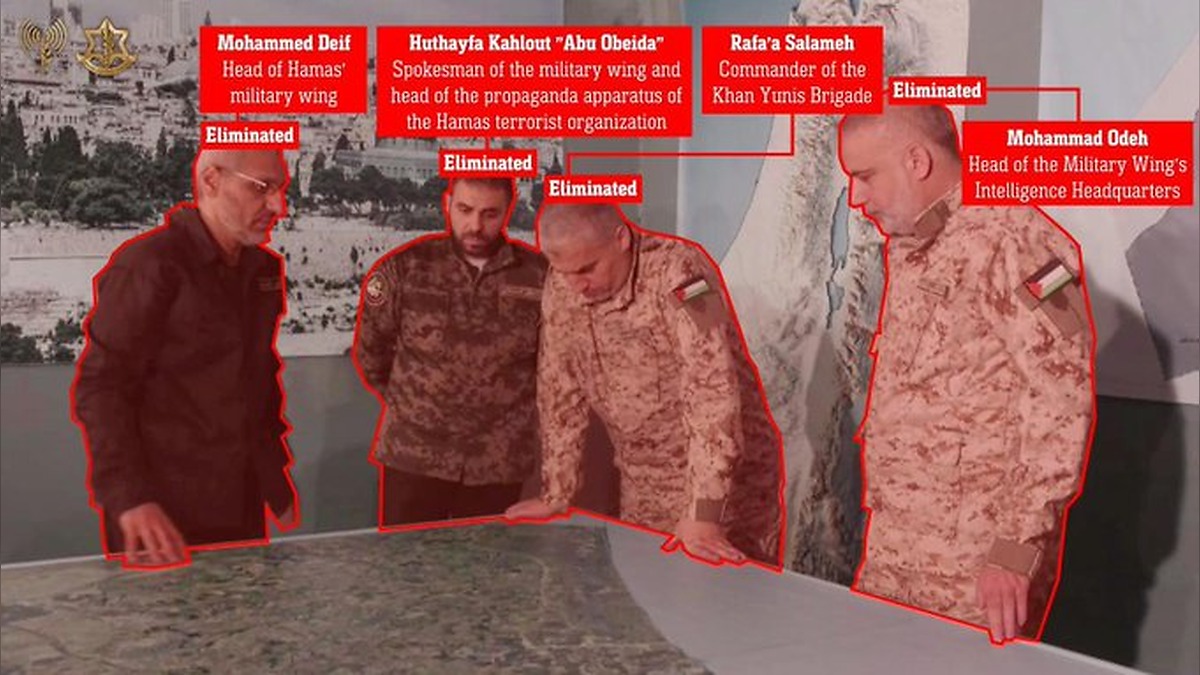
    The Israel Defense Forces (IDF) announced on Tuesday that Mohammed Odeh, identified as the head of Hamas’ military wing, was killed during an Israeli strike in northern Gaza.

    According to the Israeli military, the operation targeted senior Hamas leadership as fighting between Israeli forces and Palestinian militants continues across the Gaza Strip.

    Israeli officials said Odeh assumed leadership responsibilities within Hamas’ military structure after the earlier killing of Izz al-Din al-Haddad.

    The IDF described him as one of the key figures involved in coordinating militant operations against Israel.

    Alleged Role in October 7 Attack

    In its statement, the Israeli military accused Odeh of playing a major role in planning and coordinating Hamas infiltration operations and attack targets during the October 7 attacks in southern Israel.

    Israeli authorities have repeatedly described the assault as one of the deadliest attacks in the country’s history.

    The military claimed Odeh was deeply involved in operational planning and strategic coordination for Hamas militants during the attacks, which triggered the ongoing war in Gaza.

    Intensified Operations in Gaza

    The reported killing comes as Israeli forces continue expanding military operations in both northern and central Gaza.

    Israeli airstrikes and ground offensives have targeted Hamas infrastructure, weapons sites, and senior commanders over recent months.

    The IDF has maintained that eliminating Hamas leadership remains a central objective of its campaign. Hamas has not immediately issued a public statement confirming or denying Odeh’s death.

    Impact and Consequences

    Security analysts say the loss of another senior Hamas commander could disrupt parts of the group’s operational command structure, particularly if Odeh was actively overseeing military coordination in Gaza.

    However, experts also warn that targeted killings have historically had mixed long-term effects, as militant organizations often replace leaders quickly. The development may further intensify tensions in the region as military operations and retaliatory actions continue.

    The announcement is also likely to fuel international attention on the ongoing conflict, which has already resulted in significant casualties, humanitarian concerns, and diplomatic pressure on both sides.

    What’s Next?

    Israeli forces are expected to continue operations targeting Hamas leadership and infrastructure throughout Gaza in the coming weeks.

    Military officials have signaled that additional strikes against senior figures remain possible as intelligence operations continue.

    Meanwhile, international mediators are still pushing for ceasefire discussions and hostage negotiations, though no major breakthrough has been announced.

    The situation on the ground remains highly volatile, with continued risks of escalation across the region.

    Summary

    The Israeli military says Mohammed Odeh, identified as Hamas’ military wing leader following the death of Izz al-Din al-Haddad, was killed in an airstrike in northern Gaza.

    Israel accuses Odeh of helping coordinate the October 7 attacks and says his death is part of broader efforts to dismantle Hamas leadership during the ongoing conflict.

    Bulleted Takeaways

    • Israel says Mohammed Odeh was killed in a strike in northern Gaza.
    • The IDF identified Odeh as the head of Hamas’ military wing.
    • Israeli officials accused him of helping coordinate the October 7 attacks.
    • Odeh reportedly took over after the death of Izz al-Din al-Haddad.
    • Hamas has not officially confirmed the reported killing.
    • Israeli military operations across Gaza are continuing amid ongoing conflict.
  • Sergey Lavrov Reaffirms Russia’s Two-State Solution Stance and Urges Immediate Gaza Ceasefire During High-Stakes Phone Call With Hussein Al Sheikh in Moscow-Palestinian Diplomatic Exchange

    Sergey Lavrov Reaffirms Russia’s Two-State Solution Stance and Urges Immediate Gaza Ceasefire During High-Stakes Phone Call With Hussein Al Sheikh in Moscow-Palestinian Diplomatic Exchange

    A senior diplomatic exchange took place on May 21 between Moscow and Palestinian leadership, as both sides discussed the worsening humanitarian and political situation in the Middle East, with a particular focus on Gaza and the West Bank.

    The conversation was initiated by the Palestinian side and involved Sergey Lavrov and Hussein Al Sheikh, reflecting continued diplomatic engagement between Russia and Palestinian authorities.

    The call was officially reported by Russia’s Foreign Ministry Russian MFA official statement.


    Focus on Gaza Ceasefire and Humanitarian Collapse

    During the discussion, both sides addressed the ongoing conflict in Gaza, emphasizing the urgent need for a stable and lasting ceasefire.

    Diplomatic sources noted that the enclave’s civilian infrastructure has suffered extensive destruction, raising concerns about immediate reconstruction needs and humanitarian relief operations.

    The conversation highlighted the shared view that stabilizing the situation on the ground is a prerequisite for any broader political settlement.


    West Bank Stability Also Raised in Talks

    Beyond Gaza, the officials also discussed growing instability in the West Bank.

    Both parties stressed the importance of preventing further deterioration of conditions in the territory, warning that continued escalation could deepen regional insecurity and complicate diplomatic efforts.

    The dialogue underscored the interconnected nature of developments across Palestinian territories and the broader Middle East conflict.


    Russia Reaffirms Position on Two-State Framework

    Sergey Lavrov reiterated Moscow’s long-standing position that the Palestinian issue can only be resolved through a comprehensive political settlement based on international law.

    This framework envisions the creation of an independent Palestinian state coexisting peacefully alongside Israel, a stance Russia has consistently promoted in international forums.

    The emphasis on legal and diplomatic mechanisms was presented as central to preventing further cycles of violence.


    Palestinian Internal Unity and Political Coordination

    The conversation also addressed internal Palestinian political dynamics, particularly efforts to strengthen national unity under the platform of the Palestine Liberation Organisation (PLO).

    Reference was made to recent developments within Palestinian political structures, including outcomes of the 8th General Conference of Fatah held earlier in May.

    Both sides reportedly discussed the importance of consolidating political cohesion as a foundation for effective governance and international representation.


    Broader Russia–Palestine Relations

    In addition to conflict-related issues, the two officials reviewed the broader trajectory of Russian–Palestinian relations.

    Both sides expressed interest in maintaining traditionally friendly ties and continuing diplomatic coordination on regional and international matters.

    The discussion reaffirmed ongoing communication channels between Moscow and Palestinian leadership amid a volatile geopolitical environment.


    Impact and Consequences

    The call reinforces Russia’s continued diplomatic positioning as an active interlocutor in Middle East peace discussions, particularly on the Palestinian issue.

    By emphasizing a two-state framework and humanitarian priorities, Moscow signals its intent to remain engaged in future negotiation efforts.

    For Palestinian leadership, the dialogue underscores continued international outreach aimed at securing political support and addressing urgent reconstruction needs in Gaza.


    What’s Next?

    Further diplomatic engagements are expected as the situation in Gaza and the West Bank continues to evolve.

    Russia is likely to maintain contact with both Palestinian representatives and other regional stakeholders to support ceasefire discussions.

    Additional international coordination efforts may follow, particularly if renewed multilateral talks on the conflict are convened.


    Summary

    A high-level phone conversation between Russia’s Foreign Minister and a senior Palestinian official focused on Gaza, the West Bank, and broader political solutions to the Israeli–Palestinian conflict.

    Both sides emphasized ceasefire needs, reconstruction efforts, political unity, and long-term adherence to international legal frameworks for peace.


    Bulleted Takeaways

    • Sergey Lavrov held a phone call with Palestinian leadership
    • The call was initiated by the Palestinian side
    • Discussions focused on ceasefire efforts in Gaza and humanitarian reconstruction needs
    • West Bank stability and escalation risks were also addressed
    • Russia reaffirmed support for a two-state solution based on international law
    • Palestinian internal unity under the PLO platform was discussed
    • Relations between Russia and Palestine were described as traditionally friendly
    • Official details were released by the Russian Foreign Ministry mid.ru statement
  • Russia Celebrates 24-Year Alliance With Timor-Leste As Moscow Expands Its Influence In Southeast Asia

    Russia Celebrates 24-Year Alliance With Timor-Leste As Moscow Expands Its Influence In Southeast Asia

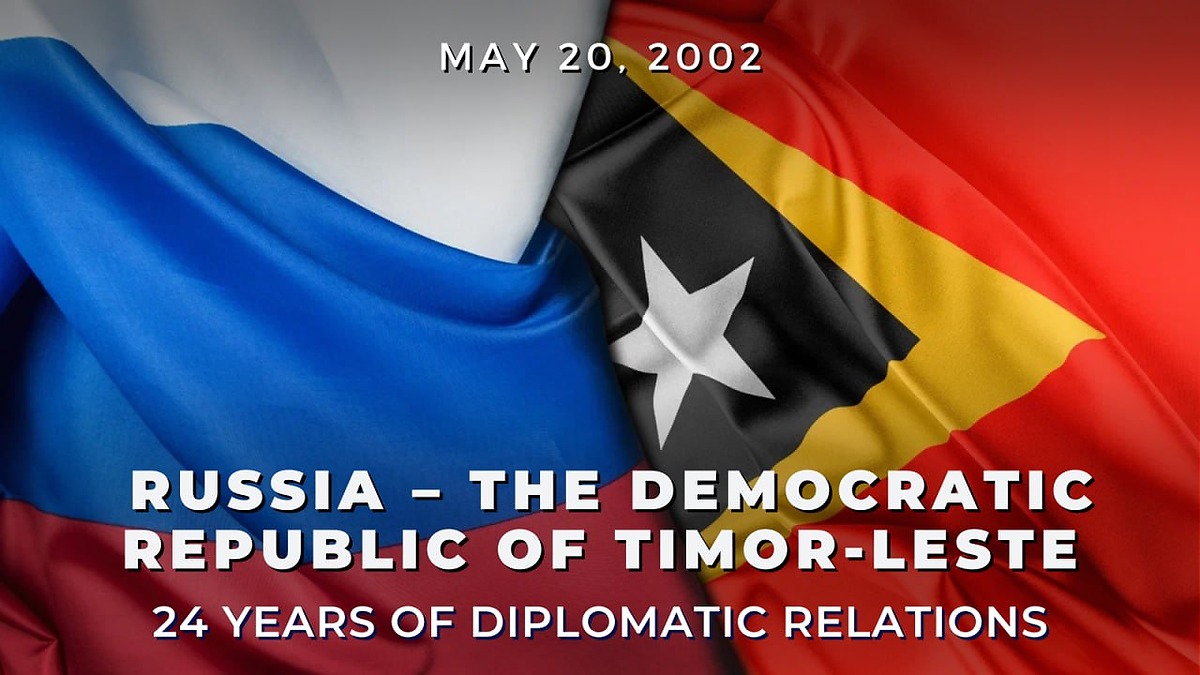
    Russia and Timor-Leste have marked the 24th anniversary of diplomatic relations, recalling the day both countries formally established ties on May 20, 2002.

    That same day, Timor-Leste restored its independence and was officially recognised by Russia as a sovereign state.

    Moscow Recalls Early Support For Independence

    Russia said it supported Timor-Leste’s path toward independence through the United Nations and backed UN Security Council peacekeeping efforts linked to the young republic.

    Moscow also pointed to its participation in humanitarian assistance programmes that supported the population during the country’s early state-building period.

    United Nations Role Highlighted

    Russia described the UN’s role in Timor-Leste’s independence process as central to the country’s emergence as a sovereign state.

    The UN Mission in East Timor was presented as an example of successful international cooperation, helping resolve the East Timor crisis and establish the foundations of statehood.

    Relations Built On Mutual Respect

    Over the past 24 years, Russia and Timor-Leste have maintained friendly relations based on what Moscow described as mutual respect and trust.

    Russia is currently represented in Timor-Leste through its embassy in Indonesia, which handles diplomatic responsibilities concurrently.

    Cooperation Expands Across Several Areas

    Bilateral ties have grown through legal agreements, defence cooperation, humanitarian engagement and cultural exchanges.

    Discussions are also taking place on potential cooperation between law enforcement agencies, while dialogue continues between foreign ministries, specialised agencies and parliamentary representatives.

    ASEAN Dimension Opens New Opportunities

    Russia said Timor-Leste’s accession to the Association of Southeast Asian Nations in 2025 has created new opportunities for cooperation within the ASEAN framework.

    Moscow described ASEAN as a key part of the security and cooperation architecture in the Asia-Pacific region.

    World War II Resolution Cited

    Russia also noted that Timor-Leste was among 57 co-sponsors of a UN resolution marking the 80th anniversary of the end of the Second World War.

    Moscow said the move reflected shared efforts to preserve historical memory about the war’s course and outcome.

    Impact and Consequences

    The anniversary highlights Russia’s effort to strengthen ties with Timor-Leste as the Southeast Asian nation expands its regional role.

    Timor-Leste’s ASEAN accession gives Moscow another diplomatic channel in the Asia-Pacific, while growing bilateral engagement could increase cooperation in defence, culture, humanitarian work and law enforcement.

    What’s next?

    Russia and Timor-Leste are expected to continue expanding their legal and treaty framework, while building deeper cooperation through ASEAN-related dialogue and bilateral diplomatic channels.

    Further engagement may also develop between foreign ministries, parliaments, specialised agencies and security institutions.

    Summary

    Russia and Timor-Leste are commemorating 24 years of diplomatic relations, which began on May 20, 2002, the same day Timor-Leste restored independence.

    Moscow highlighted its early support through the UN, ongoing diplomatic engagement, expanding bilateral cooperation and new opportunities following Timor-Leste’s accession to ASEAN.

    Bulleted Takeaways:

    • Russia and Timor-Leste established diplomatic relations on May 20, 2002.
    • Timor-Leste restored its independence on the same day.
    • Russia says it supported Timor-Leste’s independence process through the UN.
    • Moscow is represented in Timor-Leste through its embassy in Indonesia.
    • Cooperation includes defence, humanitarian, cultural and diplomatic ties.
    • Timor-Leste’s 2025 ASEAN accession is expected to expand Russia-Timor-Leste engagement.
    • Russia congratulated Timor-Leste on its Day of Restoration of Independence.
  • UK Accuses Russia Of Crushing Peace Efforts With Massive Drone And Missile Assaults Across Ukraine

    UK Accuses Russia Of Crushing Peace Efforts With Massive Drone And Missile Assaults Across Ukraine

    The United Kingdom has condemned Russia at the OSCE, accusing Moscow of responding to Ukraine’s ceasefire offer with a major escalation in aerial attacks on civilians.

    In its statement, the UK said peace efforts cannot be judged by words alone, arguing that Russia’s conduct shows continued aggression rather than genuine interest in negotiations.

    Ukraine’s Ceasefire Offer Met With New Strikes

    According to the UK, Ukraine had offered to extend a United States-brokered ceasefire in an effort to reduce civilian deaths and create space for dialogue.

    But instead of accepting that path, the UK said Russia launched one of the heaviest waves of drones and missiles since the full-scale invasion began.

    Kyiv Hit As Civilian Toll Rises

    The UK statement said Russia fired more than 1,470 drones and 56 missiles at Ukraine in the 24 hours leading up to the morning of 14 May.

    In Kyiv, Ukrainian authorities reported that 24 people were killed and 47 others injured, including children, after a residential building was hit.

    UK Says Russia Uses Pauses For Military Advantage

    British officials argued that Russia does not treat ceasefires as a route toward diplomacy.

    Instead, the statement accused Moscow of using short pauses to rebuild its missile and drone stockpiles before launching fresh attacks.

    Civilian Areas Remain Under Pressure

    The UK said the consequences are being felt across Ukraine, where homes, civilian districts, and critical services continue to come under attack.

    It said at least 238 Ukrainian civilians were killed and 1,404 injured in April, describing the figure as a 13% increase from March and the highest level since July 2025.

    Impact and Consequences

    The UK’s statement places further diplomatic pressure on Russia by framing its aerial campaign as a direct rejection of peace efforts.

    The attacks also risk deepening civilian suffering in Ukraine, damaging critical infrastructure, and weakening trust in ceasefire proposals if pauses are seen as opportunities for renewed military preparation.

    What’s next?

    The UK said it will continue supporting Ukraine’s defence and working with partners to ensure attacks on civilians are not ignored or treated as normal.

    London also said Russia could still demonstrate seriousness about peace by stopping attacks, engaging constructively, and choosing restraint.

    Summary

    The UK has accused Russia of rejecting meaningful peace efforts by intensifying attacks on Ukraine after Kyiv offered to extend a ceasefire. British officials said Moscow’s actions show that credible diplomacy requires restraint, not missile and drone strikes on civilian areas.

    Bulleted Takeaways:

    • The UK condemned Russia’s intensified aerial attacks on Ukraine.
    • Ukraine had offered to extend a US-brokered ceasefire.
    • Russia allegedly launched more than 1,470 drones and 56 missiles within 24 hours.
    • Kyiv reported 24 deaths and 47 injuries after a residential building was hit.
    • The UK accused Russia of using ceasefire pauses to prepare new attacks.
    • Britain said it will continue supporting Ukraine and pushing back against normalization of civilian attacks.
  • Two Gunmen Open Fire at Islamic Center of San Diego as Security Guard Is Killed in Clairemont Mosque Attack

    Two Gunmen Open Fire at Islamic Center of San Diego as Security Guard Is Killed in Clairemont Mosque Attack

    A security guard was killed Monday after gunfire erupted at the Islamic Center of San Diego in Clairemont, authorities and mosque officials said.

    The shooting happened around 11:40 a.m. PT, sending worshippers, students, parents, and nearby residents into panic as police rushed to the scene.

    Two Gunmen Shot Dead by Police

    According to multiple reports, two unidentified gunmen opened fire at the mosque before they were shot and killed by police.

    By around 4 p.m., police said the threat had been neutralized, though officers and emergency crews remained heavily deployed around the area.

    Students Evacuated From Mosque School

    The Islamic Center also houses Al Rashid School, formerly known as the Islamic School of San Diego.

    Young students were seen being escorted out of the building by law enforcement as worried parents hurried to a reunification site to collect their children.

    Injured Victims Taken to Hospital

    Several injured people were reportedly taken to Sharp Memorial Hospital after the shooting.

    The number of patients and the severity of their injuries were not immediately confirmed. Hospital officials activated disaster protocols while preparing for more possible arrivals.

    Roads Closed as Shelter-in-Place Ordered

    Authorities urged the public to avoid the area as police activity continued.

    Parts of Interstate 805 near Balboa Avenue were shut down, and residents nearby were told to shelter in place while officers secured the scene.

    Leaders Respond to the Attack

    San Diego Mayor Todd Gloria said he was receiving updates from law enforcement and that emergency personnel were working to protect the community.

    California Governor Gavin Newsom also praised first responders and urged residents to follow instructions from local authorities.

    Impact and Consequences

    The shooting has shaken one of the largest Muslim communities in San Diego County.

    The Islamic Center of San Diego serves about 5,000 congregants, making the attack especially alarming for worshippers, families, and students connected to the mosque and school.

    The killing of a security guard and the evacuation of children will likely intensify concerns about safety at religious institutions.

    What’s next?

    Police are expected to continue investigating the motive, the identities of the gunmen, and the full number of injured victims.

    Authorities may also maintain road closures and security measures until the area is fully cleared.

    Summary

    A security guard was killed after two gunmen opened fire at the Islamic Center of San Diego in Clairemont.

    Police shot and killed both attackers, evacuated students from the mosque’s school, and directed parents to a reunification center as hospitals prepared for multiple victims.

    Bulleted Takeaways:

    • A security guard was killed at the Islamic Center of San Diego.
    • Two gunmen were shot dead by police.
    • The shooting happened around 11:40 a.m. PT in Clairemont.
    • Students from Al Rashid School were evacuated.
    • Several injured people were taken to Sharp Memorial Hospital.
    • Police closed nearby roads and ordered shelter-in-place measures.
    • Officials said the threat was neutralized by around 4 p.m.
  • U.S. Forces Enforce Iran Blockade in the Arabian Sea as CENTCOM Reports 75 Commercial Ships Redirected

    U.S. Forces Enforce Iran Blockade in the Arabian Sea as CENTCOM Reports 75 Commercial Ships Redirected

    U.S. Central Command has released a series of updates showing American aircraft, helicopters, Marines, and warships operating across the Arabian Sea as regional tensions remain high.

    The posts highlighted activity from the USS Tripoli, USS Rafael Peralta, and U.S. Air Force fighter units stationed in the Middle East.

    F-35B Fighters Launch From USS Tripoli

    CENTCOM said U.S. Marine Corps F-35B aircraft took off from the USS Tripoli as the amphibious assault ship moved through the Arabian Sea.

    The F-35B is designed for short takeoffs and vertical landings, allowing it to operate from large U.S. Navy amphibious ships without needing a traditional aircraft carrier flight deck.

    Sea Hawk Helicopter Operations Continue

    Another CENTCOM update showed an MH-60R Sea Hawk launching from the USS Rafael Peralta while the destroyer transited the Arabian Sea.

    According to the post, American forces are enforcing a maritime blockade against Iran. CENTCOM said 75 commercial vessels had been redirected and four had been disabled to ensure compliance.

    Fighter Patrols Over the Middle East

    CENTCOM also shared footage of a U.S. Air Force F-16 taking off from a Middle East base for a night flight.

    The command said American fighter aircraft regularly patrol the region’s skies as part of broader security operations.

    Marines Conduct Training Aboard USS Tripoli

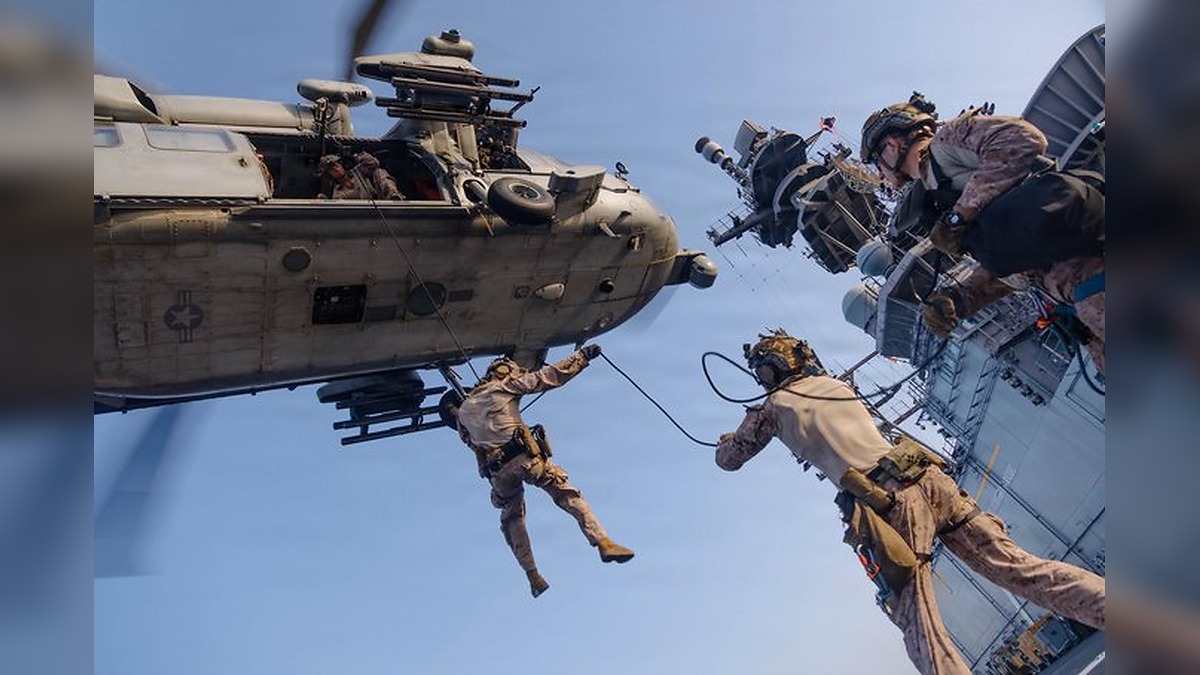
    In a separate update, CENTCOM said Marines from the 31st Marine Expeditionary Unit conducted scheduled training aboard the USS Tripoli.

    The training included Marines rappelling from an MH-60S Sea Hawk helicopter. CENTCOM said the Tripoli was among more than 20 warships supporting the blockade.

    Impact and Consequences

    The updates show a visible U.S. military presence in the Arabian Sea, combining air patrols, naval movements, helicopter operations, and Marine training.

    The reported redirection of commercial vessels and disabling of ships could increase pressure on Iran while also raising the risk of confrontation at sea.

    The deployment of F-35B aircraft, F-16 fighters, destroyers, helicopters, and amphibious forces signals that Washington is maintaining a broad operational posture across the region.

    What’s next?

    U.S. forces are expected to continue patrols, maritime enforcement operations, and scheduled military training in the region.

    Further CENTCOM updates may provide more details on vessel redirections, naval activity, air operations, and any response from Iran or regional actors.

    Summary

    U.S. Central Command reported multiple military activities across the Arabian Sea and the Middle East, including F-35B launches from USS Tripoli, Sea Hawk helicopter operations from USS Rafael Peralta, F-16 night flights, and Marine training exercises.

    CENTCOM said American forces are enforcing a maritime blockade against Iran, with dozens of commercial vessels redirected and four disabled.

    Bulleted Takeaways

    • U.S. Marine Corps F-35B aircraft launched from USS Tripoli in the Arabian Sea.
    • The F-35B can perform short takeoffs and vertical landings.
    • An MH-60R Sea Hawk operated from USS Rafael Peralta.
    • CENTCOM said U.S. forces are enforcing a maritime blockade against Iran.
    • The command reported 75 commercial vessels redirected.
    • CENTCOM said four vessels had been disabled.
    • A U.S. Air Force F-16 launched for a night flight from a Middle East base.
    • Marines from the 31st Marine Expeditionary Unit trained aboard USS Tripoli.
    • CENTCOM said more than 20 warships are supporting the blockade.
    • The updates reflect continued U.S. military activity across the region.
  • U.S. Forces Disable Two Iranian-Flagged Oil Tankers Before They Reach Port in the Gulf of Oman Blockade Showdown

    U.S. Forces Disable Two Iranian-Flagged Oil Tankers Before They Reach Port in the Gulf of Oman Blockade Showdown

    U .S. forces disabled two Iranian-flagged oil tankers in the Gulf of Oman on May 8 after officials said the vessels attempted to enter an Iranian port in breach of the ongoing U.S. blockade.

    The vessels, identified as M/T Sea Star III and M/T Sevda, were described as unladen oil tankers.

    According to U.S. Central Command, both ships were stopped before reaching port, marking another escalation in Washington’s enforcement campaign around Iranian maritime traffic.

    Navy Aircraft Used Precision Strikes to Stop the Vessels

    CENTCOM said the operation was carried out by a U.S. Navy F/A-18 Super Hornet operating from the aircraft carrier USS George H.W. Bush (CVN 77).

    The aircraft reportedly fired precision munitions into the smokestacks of both vessels, disabling them without allowing the tankers to continue their approach toward Iran.

    U.S. officials said the ships were non-compliant with blockade restrictions and were prevented from entering the Iranian port.

    Earlier Tanker Disabled in Separate May 6 Operation

    The May 8 action followed a similar operation two days earlier, when U.S. forces disabled the Iranian-flagged M/T Hasna as it attempted to sail toward an Iranian port in the Gulf of Oman.

    In that case, CENTCOM said an F/A-18 Super Hornet from the USS Abraham Lincoln (CVN 72) fired multiple 20mm cannon rounds at the tanker’s rudder, stopping the unladen vessel from continuing its transit.

    With the latest action, all three vessels — M/T Sea Star III, M/T Sevda, and M/T Hasna — are no longer moving toward Iran.

    CENTCOM Says Blockade Enforcement Will Continue

    Adm. Brad Cooper, commander of U.S. Central Command, said American forces in the region remain focused on enforcing the blockade against ships attempting to enter or leave Iran.

    He praised U.S. service members involved in the operations, saying they were carrying out the mission with professionalism and skill.

    CENTCOM said its forces have now disabled multiple commercial vessels and redirected more than 50 others as part of efforts to ensure compliance with the blockade.

    Impact and Consequences

    The disabling of three Iranian-flagged vessels in a matter of days signals a tougher U.S. posture in the Gulf of Oman, a strategically sensitive waterway connected to global oil shipping routes.

    The operations are likely to heighten tensions with Iran, especially as U.S. forces move from redirecting commercial vessels to physically disabling ships accused of violating the blockade.

    The use of carrier-based aircraft against tankers also raises the stakes for maritime operators in the region, as commercial vessels attempting to approach Iranian ports could face direct military intervention.

    For shipping companies, insurers, and regional governments, the incidents may increase uncertainty around tanker movements near Iran and the Gulf of Oman.

    What’s next?

    U.S. forces are expected to continue monitoring maritime traffic around Iran and enforcing the blockade against vessels attempting to enter or leave Iranian ports.

    Further encounters may occur if additional ships refuse to comply with U.S. instructions or attempt to bypass blockade measures.

    Iran’s response will be closely watched, as any retaliation or countermeasure could further escalate the confrontation in one of the world’s most important maritime corridors.

    Summary

    U.S. Central Command said American forces disabled two more Iranian-flagged oil tankers, M/T Sea Star III and M/T Sevda, on May 8 before they could enter an Iranian port in the Gulf of Oman.

    The action followed the May 6 disabling of M/T Hasna.

    CENTCOM said all three vessels are no longer transiting to Iran, while more than 50 other commercial ships have been redirected as part of the blockade enforcement effort.

    Bulleted Takeaways

    • U.S. forces disabled M/T Sea Star III and M/T Sevda on May 8.
    • CENTCOM said both Iranian-flagged tankers were attempting to enter an Iranian port in violation of the blockade.
    • A Navy F/A-18 Super Hornet from USS George H.W. Bush struck the vessels’ smokestacks with precision munitions.
    • The May 8 operation followed the May 6 disabling of M/T Hasna by an F/A-18 from USS Abraham Lincoln.
    • CENTCOM said all three tankers are no longer transiting toward Iran.
    • U.S. officials said multiple commercial vessels have been disabled and more than 50 redirected under blockade enforcement measures.
  • U.S. Air Force Sends F-22 Raptors to Japan as Washington Strengthens Indo-Pacific Airpower and Warns Rivals From Kadena Air Base

    U.S. Air Force Sends F-22 Raptors to Japan as Washington Strengthens Indo-Pacific Airpower and Warns Rivals From Kadena Air Base

    U.S. Air Force F-22 Raptors have arrived at Kadena Air Base in Japan, marking the latest fighter rotation meant to strengthen American airpower across the Indo-Pacific.

    The aircraft are assigned to the 90th Fighter Squadron from Joint Base Elmendorf-Richardson, Alaska, and the 27th Fighter Squadron from Joint Base Langley-Eustis, Virginia.

    Their deployment adds another layer of advanced fighter capability to one of the most strategically important U.S. air bases in the region.

    Kadena Remains a Key Hub for Regional Air Operations

    Kadena Air Base, often called the “Keystone of the Pacific,” plays a central role in U.S. air operations in the Indo-Pacific. While deployed there, the F-22s will operate alongside a wider mix of aircraft already tied to the Air Force’s 18th Wing.

    That includes heavy aircraft, reconnaissance platforms, and both fourth- and fifth-generation fighters. Together, the rotation is designed to keep a steady and credible U.S. fighter presence in the region.

    Why the F-22 Matters

    The F-22 Raptor is the Air Force’s premier fifth-generation air superiority fighter. It combines stealth, advanced sensors, speed, maneuverability, and long-range detection capability.

    Its role is to dominate contested airspace.

    The aircraft can detect and track threats at extended ranges while remaining difficult for adversaries to detect. That makes it especially valuable in a region where air superiority, deterrence, and rapid response are major priorities.

    Crews Will Train With U.S., Joint, and Allied Partners

    During the deployment, F-22 pilots and maintainers will work directly with Kadena’s operations and maintenance groups.

    They will also integrate with joint and allied partners to sharpen tactics, improve interoperability, and maintain readiness for real-world contingencies.

    The goal is not simply to park advanced jets in Japan, but to ensure crews and support teams can operate together under pressure.

    Deployment Reinforces U.S.-Japan Security Commitment

    The fighter rotation also sends a broader diplomatic and military message. By placing advanced aircraft at Kadena, the United States is reinforcing its commitment to defend Japan under the U.S.-Japan security alliance.

    The deployment also supports Washington’s wider goal of maintaining what it describes as a free and open Indo-Pacific, especially as regional tensions and military competition remain high.

    Noise Concerns Remain Part of the Deployment

    The Air Force said the 18th Wing will continue to follow applicable bilateral agreements with the Japanese government, including procedures related to noise abatement.

    Visiting aircrews are briefed on local noise-control rules, while mission planners are expected to consider ways to limit the impact of flight operations on surrounding communities.

    Fighter Rotations Help Bridge Toward Future Modernization

    The F-22 deployment is part of a broader War Department priority to modernize airpower in the Indo-Pacific.

    Rotating fighters through Kadena helps maintain today’s operational presence while preparing the base for future capabilities, including the planned arrival of the F-15EX Eagle II. That transition is part of the long-term effort to keep U.S. airpower strong and adaptable in the region.

    Impact and Consequences

    The arrival of F-22s strengthens U.S. deterrence in the Indo-Pacific by placing highly advanced air superiority fighters closer to potential flashpoints. Their presence gives commanders more options for training, rapid response, and joint operations with allies.

    For Japan, the deployment reinforces the U.S. defense commitment but may also bring local concerns around noise and base activity. That is why the Air Force is emphasizing noise-abatement procedures and coordination with Japanese authorities.

    For the wider region, the rotation signals that the U.S. intends to keep a persistent and capable airpower presence in the Indo-Pacific, even as it prepares for future modernization.

    What’s next?

    The F-22 crews and maintainers will continue integrating with the 18th Wing and partner forces during the deployment.

    Training will likely focus on readiness, tactics, interoperability, and maintenance operations in a forward-deployed environment. Over time, Kadena will also continue preparing for future aircraft transitions, including the eventual arrival of the F-15EX Eagle II.

    Summary

    F-22 Raptors from Alaska and Virginia have arrived at Kadena Air Base in Japan as part of a new fighter rotation supporting Indo-Pacific operations.

    The aircraft will work with the 18th Wing, joint forces, and allied partners to strengthen readiness and maintain a credible U.S. fighter presence.

    The deployment supports the U.S.-Japan alliance, reinforces regional deterrence, and helps bridge current operations with future airpower modernization.

    Bulleted Takeaways:

    • U.S. Air Force F-22 Raptors have arrived at Kadena Air Base, Japan.
    • The jets are assigned to the 90th Fighter Squadron and 27th Fighter Squadron.
    • The rotation supports U.S. operations across the Indo-Pacific.
    • Kadena Air Base is known as the “Keystone of the Pacific.”
    • The F-22s will operate alongside aircraft assigned to the 18th Wing.
    • The F-22 is a fifth-generation air superiority fighter.
    • Its strengths include stealth, advanced sensors, maneuverability, and long-range detection.
    • Aircrews and maintainers will train with U.S., joint, and allied partners.
    • The deployment supports the U.S.-Japan security alliance.
    • The Air Force says it will follow noise-abatement procedures under agreements with Japan.
    • Fighter rotations help maintain a continuous U.S. airpower presence in the region.
    • Kadena is also preparing for the future arrival of the F-15EX Eagle II.