Blog

  • Cornwall Resident Exposes Overcrowding Chaos as Tourists Flood Coastal Towns and Paralyze Roads Across Cornwall During Explosive Summer Staycation Surge in United Kingdom

    Cornwall Resident Exposes Overcrowding Chaos as Tourists Flood Coastal Towns and Paralyze Roads Across Cornwall During Explosive Summer Staycation Surge in United Kingdom

    As rising travel costs and uncertainty surrounding overseas holidays encourage more Britons to remain closer to home, Cornwall is once again preparing for a busy summer season.

    With its dramatic coastline, picturesque beaches, and postcard-perfect villages, the county continues to rank among the UK’s most sought-after holiday destinations.

    Yet for those who live there year-round, the reality of peak tourist season can look very different from the idyllic images often shared online.

    Growing Visitor Numbers Highlight Infrastructure Pressures

    For many residents, the influx of visitors brings challenges that extend far beyond crowded beaches.

    Narrow roads become heavily congested, parking spaces disappear quickly, and overflowing bins become a common sight.

    During the busiest periods, even simple errands can become lengthy journeys as traffic grinds through towns and villages designed long before modern tourism reached its current scale.

    While many describe the problem as overtourism, some locals argue that decades of insufficient investment in infrastructure have left Cornwall struggling to cope with the popularity it actively promotes.

    Falmouth Fails to Live Up to Its Reputation

    Often praised as one of Cornwall’s trendiest destinations, Falmouth attracts visitors with its maritime heritage, beaches, cafés, and watersports scene.

    However, despite its strong reputation, not everyone is convinced by the town’s appeal.

    Critics point to issues including overflowing waste bins, large numbers of seagulls, and sections of the town centre that can feel neglected during busy periods.

    While residents are frequently praised for their friendliness and welcoming nature, some visitors leave feeling the destination does not fully justify its glowing reputation.

    Padstow’s Popularity Divides Opinion

    Padstow remains one of Cornwall’s most recognisable tourist hotspots, thanks in part to its thriving food scene and celebrity chef connections.

    Yet its popularity has also made it a target for criticism.

    During summer, packed streets, expensive accommodation, and traffic congestion can overshadow the charm of the historic fishing port.

    Some observers argue that the town has become a symbol of a tourism economy where premium prices and luxury branding often take precedence over authenticity.

    Questions Raised Over the Evolution of the Eden Project

    For years, the Eden Project has stood as one of Cornwall’s flagship attractions, celebrated internationally for its giant biomes and environmental message.

    However, critics suggest the attraction has expanded far beyond its original botanical focus.

    Concerts, conferences, sporting activities, and seasonal events now occupy a significant part of its calendar.

    Supporters view this diversification as necessary for long-term success, while detractors believe the attraction risks drifting away from the purpose that made it famous.

    Safety Concerns Overshadow Social Media Favourite Pedn Vounder

    Pedn Vounder has become one of Cornwall’s most photographed beaches, attracting visitors with crystal-clear water and dramatic scenery.

    Yet behind the stunning images lies a more complicated reality.

    Strong currents and dangerous sea conditions have led to numerous emergency incidents over the years, prompting warnings from local authorities and safety organisations.

    For families, particularly those with young children, concerns about water safety can outweigh the appeal of the beach’s social media fame.

    St Ives Continues to Captivate Visitors

    Despite concerns about overcrowding, St Ives remains one of Cornwall’s most admired destinations.

    Its sandy beaches, artistic heritage, and distinctive atmosphere continue to draw large numbers of visitors each year.

    The town’s narrow streets, traditional cottages, galleries, and cafés contribute to an experience many regard as uniquely Cornish.

    Local attractions such as Tate St Ives and the St Ives School of Painting add cultural depth, helping the town maintain its status as one of the county’s most celebrated locations.

    Kynance Cove Offers Classic Coastal Beauty

    Among Cornwall’s natural treasures, Kynance Cove consistently ranks near the top of visitors’ must-see lists.

    The combination of turquoise waters, white sand, and dramatic cliffs creates one of the county’s most recognisable coastal landscapes.

    Visitors can also enjoy facilities including a café overlooking the cove, although changing tides require careful planning and awareness.

    For many, the location represents the Cornwall they imagine before arriving.

    Historic Gardens Provide a Different Side of Cornwall

    Away from the beaches, Cornwall’s gardens and estates offer a quieter attraction.

    The Trewithen Estate draws gardening enthusiasts with internationally recognised camellia collections, magnolias, and rhododendrons that transform the landscape throughout spring.

    Guided tours and local food offerings have helped establish the estate as a destination in its own right.

    Similarly, Caerhays Castle attracts visitors during magnolia season, when its grounds burst into colour and create one of the county’s most spectacular floral displays.

    Heligan Balances Heritage With Modern Attractions

    The Lost Gardens of Heligan continues to blend horticultural history with family-friendly experiences.

    Known for its extensive plant collections and restored Victorian gardens, the attraction remains a favourite among gardening enthusiasts.

    At the same time, playgrounds, workshops, and newer entertainment features have broadened its appeal to younger visitors.

    Its food offerings, built around locally sourced produce, have also become a significant draw, reflecting Cornwall’s continuing emphasis on farm-to-table dining.

    Cornwall’s Enduring Appeal Remains Undeniable

    Despite frustrations over congestion, rising costs, and the pressures created by mass tourism, Cornwall continues to hold a unique place in the hearts of visitors and residents alike.

    The county’s beaches, artistic communities, historic gardens, and spectacular landscapes ensure it remains one of Britain’s most beloved holiday destinations.

    For many, the challenge is not whether Cornwall deserves its popularity, but how it can manage that success while preserving the qualities that made it special in the first place.
  • Donald Trump Accuses Pope Leo XIV of Missing Iran Nuclear Reality After Vatican Meeting With Chicago Mayor Sparks Political Firestorm in Washington and Rome

    Donald Trump Accuses Pope Leo XIV of Missing Iran Nuclear Reality After Vatican Meeting With Chicago Mayor Sparks Political Firestorm in Washington and Rome

    President Donald Trump has reignited a political and diplomatic dispute over Iran after reacting sharply to Chicago Mayor Brandon Johnson’s meeting with Pope Leo XIV at the Vatican.

    Johnson said his May 28 audience with the Chicago-born pontiff included conversations about United States immigration policy and the conflict involving Iran.

    Trump responded two days later with a Truth Social post that mixed criticism of the mayor with a warning that Tehran must never be allowed to obtain a nuclear weapon.

    Truth Social Post Targets Johnson and the Pope

    In his May 30 post, Trump said someone should explain the Iran issue to the pope while also attacking Johnson’s leadership in Chicago.

    He included screenshots from the mayor’s own posts showing Johnson and Pope Leo exchanging gifts and praying during the Vatican visit.

    The remarks added a new layer to Trump’s continuing argument that the pope has misunderstood, or is being wrongly briefed on, the administration’s position toward Iran.

    Leo XIV Has Repeatedly Rejected Nuclear Weapons

    Pope Leo XIV has publicly rejected claims that he supports any path toward nuclear armament.

    Speaking earlier in May at Castel Gandolfo, he said the Church has long opposed nuclear weapons and has consistently called for disarmament.

    Vatican Secretary of State Cardinal Pietro Parolin later reinforced that message, saying the Holy See has worked for nuclear disarmament in the past and intends to continue doing so.

    White House and Chicago Officials Stay Silent

    The White House and the Chicago mayor’s office did not immediately respond to requests for comment after Trump’s latest statement.

    The silence left the president’s social media remarks as the clearest public signal of how the administration views Johnson’s Vatican visit and the pope’s criticism of the conflict.

    Older Tensions Resurface Between Trump and Leo

    The exchange follows earlier criticism from Trump, who in April described Pope Leo XIV as weak on crime and poor on foreign policy while saying he was not a fan of the pontiff.

    Trump has also objected to Leo’s public calls for peace during the U.S.-led war involving Iran.

    The pope, however, has continued to speak against the violence and has said he is not afraid of the Trump administration or of proclaiming the message of the Gospel.

  • Iran Fires Fateh-110 Missile as Kuwaiti Air Base Under Attack Injures US Personnel in Explosive Strike Near Iraq Border

    Iran Fires Fateh-110 Missile as Kuwaiti Air Base Under Attack Injures US Personnel in Explosive Strike Near Iraq Border

    Several Americans have been injured following a ballistic missile strike attributed to Iran on a Kuwaiti military installation, in an incident that has sharply raised tensions in the Gulf and prompted warnings from US defense officials that forces are prepared to respond again if required.

    The attack, which struck the Ali Al Salem air base in Kuwait, comes amid renewed accusations of ceasefire violations and growing instability in the region’s security environment.

    Injuries Reported After Missile Debris Hits Strategic Air Base

    According to sources cited by Bloomberg, five individuals — including both contractors and active-duty personnel — sustained minor injuries after the strike.

    Although Kuwaiti air defenses successfully intercepted the incoming missile, debris reportedly fell onto the base, causing damage and injuries despite the interception.

    Officials familiar with the incident described the situation as contained but serious, with emergency response teams deployed immediately following the impact.

    Iranian Ballistic Missile Identified in the Attack

    The missile used in the strike was identified as a Fateh-110 missile, a short-range system capable of reaching distances of up to 124 miles.

    Military analysis suggests the weapon was launched as part of a broader pattern of repeated missile activity in the region. Data from the Center for Strategic and International Studies indicates Iran has launched more than 1,850 ballistic missiles since the beginning of the ongoing conflict.

    The strike has intensified scrutiny over Iran’s missile capabilities and its expanding use of ballistic systems in regional confrontations.

    Air Defense Engagement and Drone Losses During Interception

    Reports indicate that Kuwait’s air defense network engaged the incoming missile using MQ-9 Reaper strike drones during the interception process. In the exchange, one drone was destroyed and another sustained severe damage.

    The drones involved — each valued at approximately $30 million — are among the most advanced surveillance and strike platforms used by US-aligned forces in the region.

    Despite interception efforts, debris from the missile reportedly still impacted the base, highlighting the difficulty of fully neutralizing fast-moving ballistic threats.

    Strategic Importance of Ali Al Salem Air Base

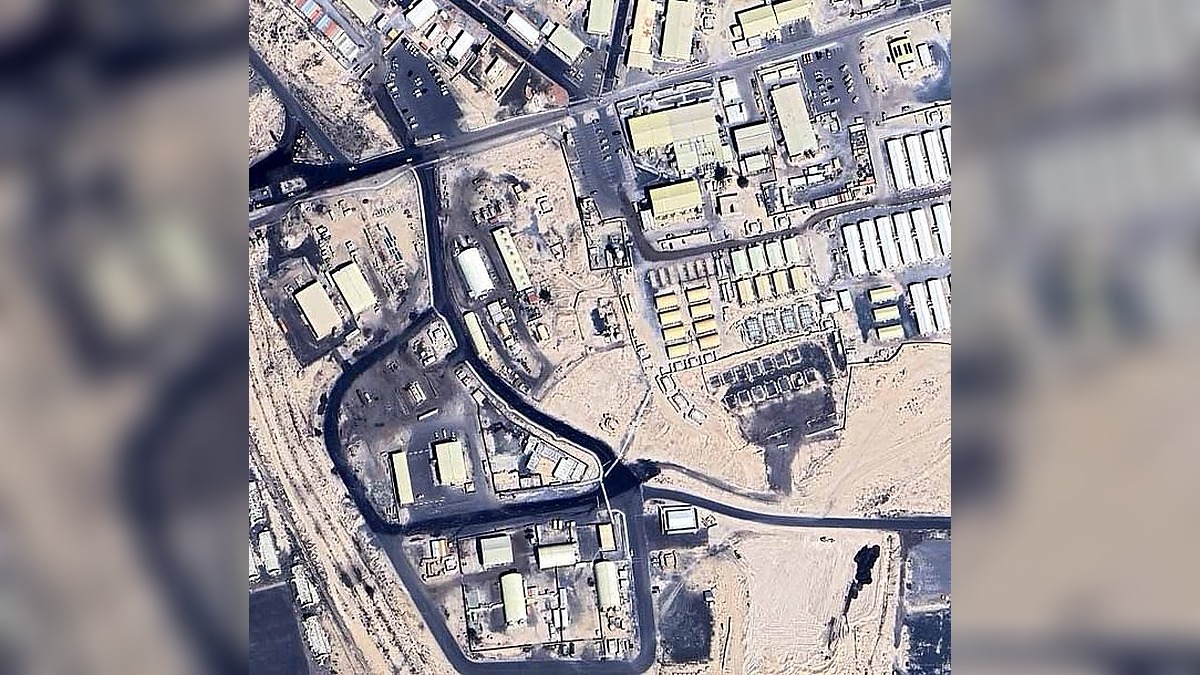
    The attack targeted the Ali Al Salem air base, a key US-Kuwaiti military installation located roughly 39 miles from the Iraqi border.

    The facility, often referred to as “The Rock” due to its elevated position above the surrounding desert terrain, serves as a critical operational hub for regional military coordination and air operations.

    Its strategic location has made it a frequent focal point in regional security planning, particularly during periods of heightened tension involving Iran and US forces.

    Washington and Regional Response Amid Ceasefire Dispute

    The incident has been described by US Central Command as an “egregious ceasefire violation,” while Kuwait’s Foreign Ministry has condemned the strike as “blatant aggression.”

    Secretary of War Pete Hegseth stated that American forces remain on alert and are prepared to “recommence if necessary,” signaling the possibility of further military escalation depending on developments.

    The US military has also accused Iran of breaching an existing ceasefire agreement referenced earlier this year, further complicating already fragile diplomatic conditions.

    Investigation Continues as Regional Tensions Rise

    The White House and Pentagon have not yet issued a formal public response to the latest reports, though inquiries are ongoing.

    As investigations continue into the strike and its aftermath, the incident is being viewed as part of a broader pattern of escalating missile activity and contested ceasefire compliance across the region — with both military and diplomatic consequences still unfolding.

  • U.S. Central Command Fires Hellfire Missile and Disables Gambian-Flagged Cargo Ship Attempting to Reach Iranian Port in High-Stakes Gulf of Oman Maritime Showdown

    U.S. Central Command Fires Hellfire Missile and Disables Gambian-Flagged Cargo Ship Attempting to Reach Iranian Port in High-Stakes Gulf of Oman Maritime Showdown

    U.S. military forces operating in the Gulf of Oman have intervened against a commercial vessel that officials said was attempting to reach an Iranian port in violation of ongoing U.S. maritime enforcement measures.

    According to a statement from United States Central Command, the incident occurred on May 29 and involved a cargo ship sailing under the Gambian flag.


    Vessel Reportedly Ignored Repeated Warnings

    Military officials identified the vessel as M/V Lian Star, stating that it was observed traveling through international waters toward an Iranian destination.

    CENTCOM said U.S. forces repeatedly contacted the ship and issued more than 20 separate warnings, informing the crew that continuing its voyage would place it in violation of the maritime restrictions being enforced by American forces.

    Despite those communications, officials reported that the vessel continued on its course.


    Hellfire Missile Strike Targets Ship’s Engine Room

    After the crew allegedly failed to comply with instructions, U.S. forces escalated the operation.

    According to the military statement, a U.S. aircraft fired a Hellfire missile at the vessel, striking its engine room and rendering the ship unable to continue its voyage.

    Officials emphasized that the action was intended to disable the vessel’s movement rather than sink the ship.

    Following the strike, the vessel was no longer proceeding toward Iran, according to CENTCOM.


    Enforcement Campaign Continues Across Regional Waters

    The latest operation forms part of a broader U.S. maritime enforcement effort in the region.

    American military officials stated that forces have now disabled five commercial vessels and redirected 116 others since the enforcement campaign began.

    The measures remain in place while a ceasefire involving Iran continues, with U.S. forces maintaining naval and aerial patrols across key shipping corridors in the Gulf of Oman and surrounding waters.


    Regional Shipping Routes Remain Under Close Monitoring

    The Gulf of Oman serves as a critical maritime gateway linking the Arabian Sea to the Strait of Hormuz, one of the world’s most strategically important energy transit routes.

    As a result, military activity in the area is closely watched by commercial shipping operators, regional governments, and international energy markets.

    The latest enforcement action underscores the continued presence of U.S. forces in monitoring vessel movements throughout the region.


    Impact and Consequences

    The disabling of another commercial vessel highlights the increasingly assertive nature of U.S. maritime enforcement operations in waters surrounding Iran.

    Such actions may raise concerns among shipping companies about navigation risks, operational delays, and compliance requirements when operating near restricted maritime routes.

    The incident could also contribute to broader geopolitical tensions as regional powers assess the implications of continued military enforcement activities.


    What’s Next?

    U.S. military forces are expected to continue monitoring commercial traffic in the Gulf of Oman and nearby waterways.

    Additional enforcement actions may occur if vessels are deemed to be violating existing restrictions, while shipping operators are likely to remain attentive to military advisories and route guidance.

    Observers will also watch for any diplomatic or regional responses following the latest intervention.

  • Zelenskyy Warns Russia Is Preparing a Devastating New Missile Blitz Across Kyiv as Panic Grows Over Massive Air Attack Threat

    Zelenskyy Warns Russia Is Preparing a Devastating New Missile Blitz Across Kyiv as Panic Grows Over Massive Air Attack Threat

    Ukrainian President Volodymyr Zelenskyy has issued a stark warning that intelligence gathered by Kyiv suggests Russia is preparing another large-scale military strike, raising fears of intensified missile and drone attacks across Ukraine in the coming weeks.

    In a series of public statements, Zelenskyy said Ukrainian authorities have obtained information pointing to preparations for a “new massive attack,” stressing that Moscow continues to prioritize military escalation over diplomatic negotiations.

    Kyiv Pushes Allies for Faster Air Defense Support

    The Ukrainian leader emphasized that strengthening the country’s air defense network has become an urgent priority, especially protection against ballistic missile attacks.

    According to Zelenskyy, delays in delivering promised defense systems could leave Ukrainian cities vulnerable if Russia launches another coordinated assault.

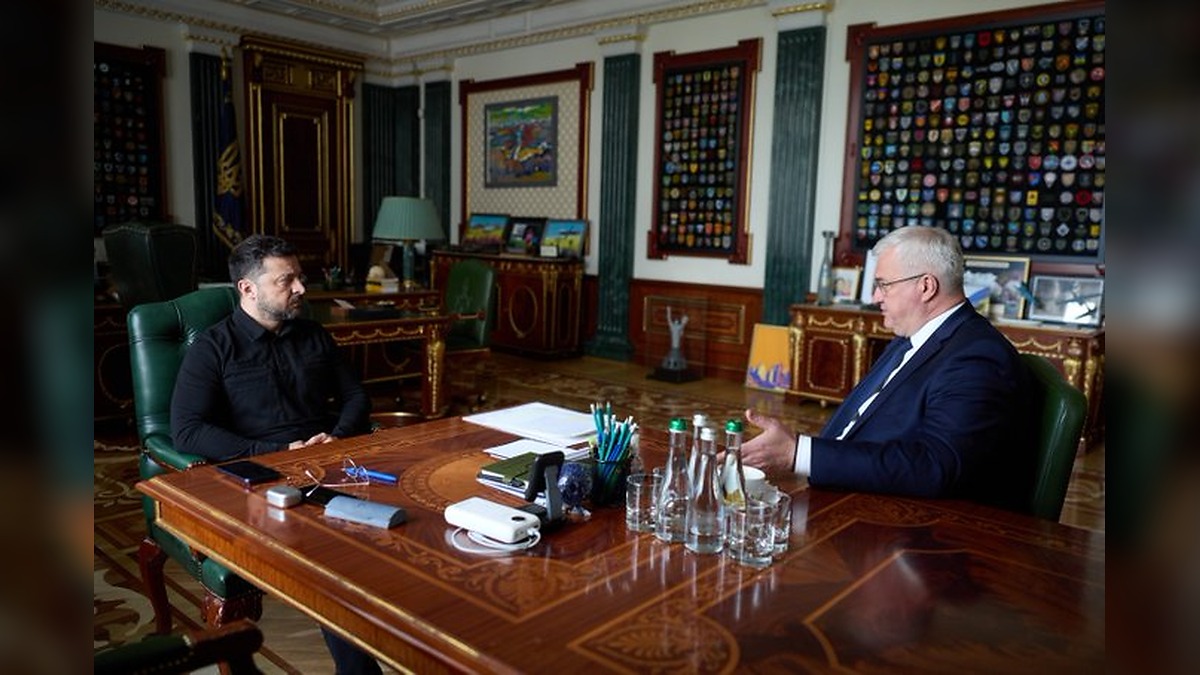
    He revealed that he had held discussions with Ukraine’s foreign minister, Andrii Sybiha, regarding immediate diplomatic and military objectives.

    The talks reportedly focused on accelerating international support and identifying additional steps Western partners can take to reinforce Ukraine’s defenses.

    Zelenskyy also renewed calls for harsher sanctions against Russia, arguing that economic pressure remains necessary as long as Moscow continues military operations instead of pursuing peace efforts.

    New European Sanctions Package Under Preparation

    Kyiv is now preparing proposals for another round of European sanctions aimed at tightening restrictions on Russia and closing loopholes that allow existing penalties to be bypassed.

    The Ukrainian president said the measures would specifically target sanctions evasion networks that continue helping Russia obtain critical supplies despite Western restrictions.

    He added that Ukraine is coordinating closely with allied governments to increase pressure on the Kremlin while strengthening military assistance programs.

    Public Urged to Monitor Air Raid Alerts

    In a later message, Zelenskyy urged Ukrainian civilians to remain vigilant and respond immediately to air raid sirens, warning that the intelligence threat assessment should be taken seriously.

    He thanked allied nations for continuing to support Ukraine’s defense efforts and stressed that protecting the country’s skies remains one of the most critical elements of the war effort.

    Patriot Missile Supplies Become Central Focus

    A major part of Ukraine’s current strategy involves securing additional missiles for Patriot air defense systems.

    Zelenskyy highlighted the importance of the “PURL” initiative, a multinational funding effort involving European partners and other allied nations to purchase interceptor missiles and other defensive equipment.

    The Ukrainian president noted that while European countries are helping pool financial resources, continued supplies from the United States remain essential for sustaining Ukraine’s air defense capabilities.

    He expressed hope that Washington and other partners would continue responding to Kyiv’s appeals as concerns grow over the possibility of another major Russian aerial campaign.

    Rising Tensions as War Enters Another Dangerous Phase

    The warning from Kyiv comes amid continued fighting across several fronts and repeated Russian missile and drone strikes targeting Ukrainian infrastructure and population centers.

    Ukrainian officials believe enhanced air defense coordination, tougher sanctions, and faster military deliveries could prove decisive if Russia proceeds with another large-scale offensive in the near future.

  • Vladimir Putin Expands Russia’s Grip on Kazakhstan as Massive Nuclear Power Deal and $30 Billion Trade Alliance Shake Astana

    Vladimir Putin Expands Russia’s Grip on Kazakhstan as Massive Nuclear Power Deal and $30 Billion Trade Alliance Shake Astana

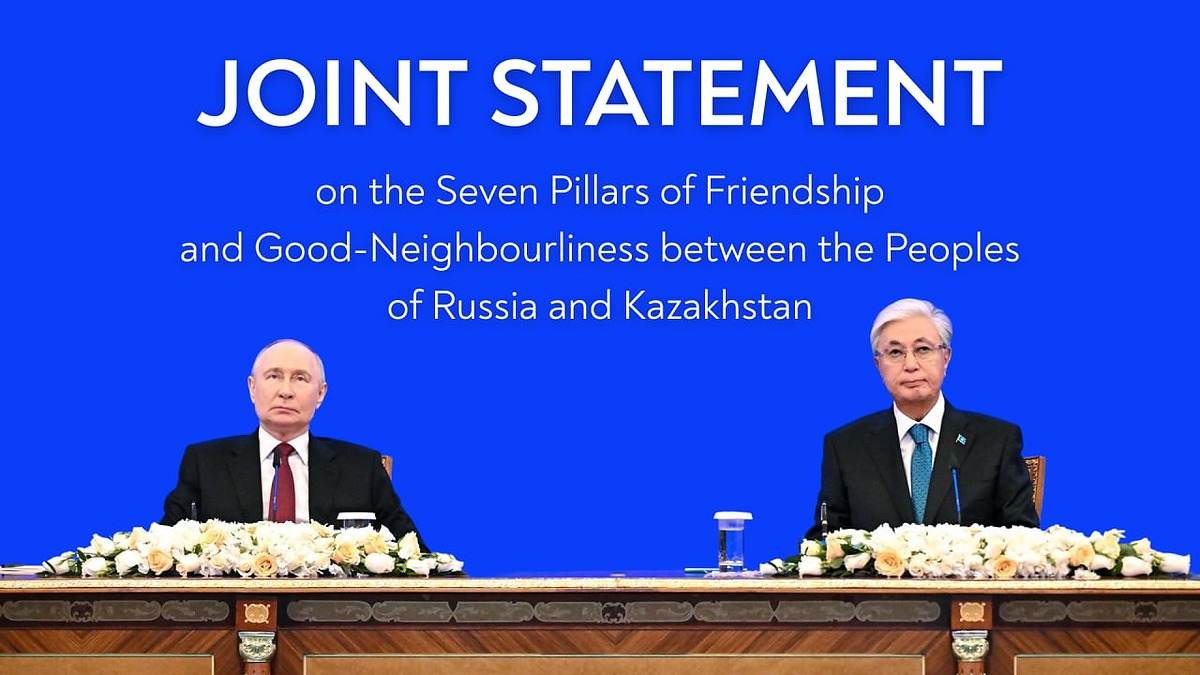
    Russian President Vladimir Putin used a high-profile meeting in Astana on Wednesday to highlight what he described as the growing strategic partnership between Russia and Kazakhstan, following extensive bilateral negotiations with Kazakh President Kassym-Jomart Tokayev.

    Speaking after the talks, Putin said discussions between both delegations focused on expanding cooperation across politics, trade, energy, technology, culture, and international diplomacy. He characterized the meeting as productive and reflective of what he called the “friendly and good-neighbourly” relationship shared by the two nations.

    Russia and Kazakhstan Sign New Agreements Across Multiple Sectors

    The talks concluded with the signing of a joint statement outlining future priorities for bilateral cooperation. Additional intergovernmental and departmental agreements were also finalized, covering sectors including healthcare, finance, education, and energy development.

    According to Putin, the agreements are designed to strengthen long-term coordination between Moscow and Astana while broadening cooperation in areas considered strategically important to both economies.

    Officials emphasized that the partnership is no longer limited to traditional trade, but is increasingly moving toward projects involving technology, infrastructure, and industrial development.

    Trade Between Moscow and Astana Approaches Record Levels

    Economic cooperation dominated much of the discussions, with Putin revealing that trade turnover between the two countries reached nearly $29 billion in 2025.

    The Russian leader said both sides are now close to surpassing the $30 billion threshold, which he suggested could happen in the near future as commercial ties continue to deepen.

    He also stressed that most transactions between the countries are now conducted in national currencies rather than foreign reserve currencies. According to Putin, this approach shields trade operations from external economic pressure and volatility in global financial markets.

    The Kremlin further noted that trade diversification is expanding beyond raw materials into products with higher added value.

    Nuclear Power Plant Project Becomes Central Energy Deal

    One of the most significant outcomes of the visit involved the approval of agreements tied to the planned construction of a nuclear power plant in Kazakhstan.

    Putin confirmed that Russia will support the project financially through a state-backed export credit arrangement. Once completed, the facility is expected to play a major role in Kazakhstan’s future energy supply and provide what Russian officials described as affordable and cleaner electricity for households and industries.

    The announcement marks one of the largest recent infrastructure partnerships between the neighboring states.

    Baikonur and Space Cooperation Remain Strategic Priorities

    The leaders also highlighted ongoing collaboration in the aerospace sector through the jointly operated Baikonur Cosmodrome.

    Putin pointed to the development of the Baiterek launch complex as an example of successful cooperation between the two countries. He noted that the new Soyuz-5 launch vehicle was recently launched from the site, describing it as a promising advancement for future space operations.

    Russia and Kazakhstan have long maintained close cooperation in space exploration, with Baikonur remaining one of the world’s most historically significant launch facilities.

    Artificial Intelligence and Digital Technology Take Center Stage

    Beyond energy and trade, the discussions also focused heavily on emerging technologies and digital modernization.

    Putin said Russia and Kazakhstan are expanding cooperation in artificial intelligence and other advanced technological solutions that could be integrated into economic and social sectors.

    He added that high technology and innovation would feature prominently during the plenary session of the Eurasian Economic Forum, attended by leaders from member states of the Eurasian Economic Union.

    Putin Praises Kazakhstan’s Support for Russian Language

    During his remarks, Putin also addressed cultural and linguistic cooperation, thanking Kazakhstan’s leadership for maintaining broad use of the Russian language throughout the country.

    He referenced Kazakhstan’s recently adopted constitution, which reaffirmed Russian as an official language. Putin also credited Tokayev with proposing the creation of an international organization dedicated to supporting the Russian language globally.

    The issue remains politically significant as Moscow continues to emphasize cultural ties across former Soviet states.

    Moscow and Astana Reaffirm Shared Foreign Policy Positions

    On international affairs, Putin stated that Russia and Kazakhstan hold closely aligned positions on many global issues.

    He said the two countries continue coordinating within several multilateral organizations, including the United Nations, the Commonwealth of Independent States, the Collective Security Treaty Organization, and the Shanghai Cooperation Organisation.

    Putin also praised Kazakhstan’s leadership of the Eurasian Economic Union this year, saying upcoming summit decisions would focus on strengthening regional integration among member states.

    The agreements announced in Astana reinforce the growing economic and geopolitical partnership between Russia and Kazakhstan at a time when regional alliances are becoming increasingly important across Eurasia.

    The nuclear power plant project could significantly reshape Kazakhstan’s energy landscape while deepening its dependence on Russian technological and financial support.

    Meanwhile, expanded use of national currencies in bilateral trade reflects broader efforts by Moscow and its partners to reduce reliance on Western-controlled financial systems amid continuing global economic tensions.

    The emphasis on artificial intelligence, digitalization, and transport infrastructure also signals a shift toward modernizing the Eurasian partnership beyond traditional energy and commodity trade.

    Attention now turns to the Eurasian Economic Union summit, where member states are expected to approve new integration measures and economic initiatives.

    Observers will also closely monitor progress on the nuclear power plant financing arrangements and the implementation of recently signed bilateral agreements.

    Further cooperation in space exploration, artificial intelligence, and regional trade mechanisms is expected to remain high on the agenda for both governments throughout 2026.

  • Hamas Military Commander Mohammed Odeh Killed in Israeli Strike in Northern Gaza

    Hamas Military Commander Mohammed Odeh Killed in Israeli Strike in Northern Gaza

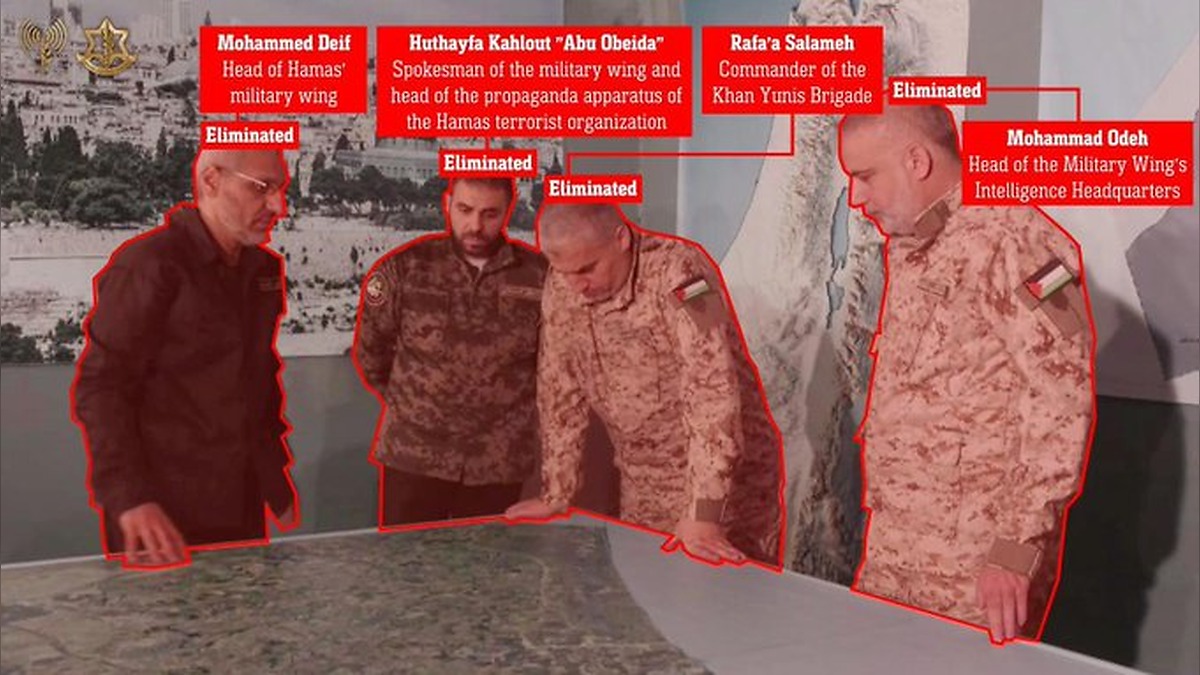
    The Israel Defense Forces (IDF) announced on Tuesday that Mohammed Odeh, identified as the head of Hamas’ military wing, was killed during an Israeli strike in northern Gaza.

    According to the Israeli military, the operation targeted senior Hamas leadership as fighting between Israeli forces and Palestinian militants continues across the Gaza Strip.

    Israeli officials said Odeh assumed leadership responsibilities within Hamas’ military structure after the earlier killing of Izz al-Din al-Haddad.

    The IDF described him as one of the key figures involved in coordinating militant operations against Israel.

    Alleged Role in October 7 Attack

    In its statement, the Israeli military accused Odeh of playing a major role in planning and coordinating Hamas infiltration operations and attack targets during the October 7 attacks in southern Israel.

    Israeli authorities have repeatedly described the assault as one of the deadliest attacks in the country’s history.

    The military claimed Odeh was deeply involved in operational planning and strategic coordination for Hamas militants during the attacks, which triggered the ongoing war in Gaza.

    Intensified Operations in Gaza

    The reported killing comes as Israeli forces continue expanding military operations in both northern and central Gaza.

    Israeli airstrikes and ground offensives have targeted Hamas infrastructure, weapons sites, and senior commanders over recent months.

    The IDF has maintained that eliminating Hamas leadership remains a central objective of its campaign. Hamas has not immediately issued a public statement confirming or denying Odeh’s death.

    Impact and Consequences

    Security analysts say the loss of another senior Hamas commander could disrupt parts of the group’s operational command structure, particularly if Odeh was actively overseeing military coordination in Gaza.

    However, experts also warn that targeted killings have historically had mixed long-term effects, as militant organizations often replace leaders quickly. The development may further intensify tensions in the region as military operations and retaliatory actions continue.

    The announcement is also likely to fuel international attention on the ongoing conflict, which has already resulted in significant casualties, humanitarian concerns, and diplomatic pressure on both sides.

    What’s Next?

    Israeli forces are expected to continue operations targeting Hamas leadership and infrastructure throughout Gaza in the coming weeks.

    Military officials have signaled that additional strikes against senior figures remain possible as intelligence operations continue.

    Meanwhile, international mediators are still pushing for ceasefire discussions and hostage negotiations, though no major breakthrough has been announced.

    The situation on the ground remains highly volatile, with continued risks of escalation across the region.

    Summary

    The Israeli military says Mohammed Odeh, identified as Hamas’ military wing leader following the death of Izz al-Din al-Haddad, was killed in an airstrike in northern Gaza.

    Israel accuses Odeh of helping coordinate the October 7 attacks and says his death is part of broader efforts to dismantle Hamas leadership during the ongoing conflict.

    Bulleted Takeaways

    • Israel says Mohammed Odeh was killed in a strike in northern Gaza.
    • The IDF identified Odeh as the head of Hamas’ military wing.
    • Israeli officials accused him of helping coordinate the October 7 attacks.
    • Odeh reportedly took over after the death of Izz al-Din al-Haddad.
    • Hamas has not officially confirmed the reported killing.
    • Israeli military operations across Gaza are continuing amid ongoing conflict.
  • Sergey Lavrov Reaffirms Russia’s Two-State Solution Stance and Urges Immediate Gaza Ceasefire During High-Stakes Phone Call With Hussein Al Sheikh in Moscow-Palestinian Diplomatic Exchange

    Sergey Lavrov Reaffirms Russia’s Two-State Solution Stance and Urges Immediate Gaza Ceasefire During High-Stakes Phone Call With Hussein Al Sheikh in Moscow-Palestinian Diplomatic Exchange

    A senior diplomatic exchange took place on May 21 between Moscow and Palestinian leadership, as both sides discussed the worsening humanitarian and political situation in the Middle East, with a particular focus on Gaza and the West Bank.

    The conversation was initiated by the Palestinian side and involved Sergey Lavrov and Hussein Al Sheikh, reflecting continued diplomatic engagement between Russia and Palestinian authorities.

    The call was officially reported by Russia’s Foreign Ministry Russian MFA official statement.


    Focus on Gaza Ceasefire and Humanitarian Collapse

    During the discussion, both sides addressed the ongoing conflict in Gaza, emphasizing the urgent need for a stable and lasting ceasefire.

    Diplomatic sources noted that the enclave’s civilian infrastructure has suffered extensive destruction, raising concerns about immediate reconstruction needs and humanitarian relief operations.

    The conversation highlighted the shared view that stabilizing the situation on the ground is a prerequisite for any broader political settlement.


    West Bank Stability Also Raised in Talks

    Beyond Gaza, the officials also discussed growing instability in the West Bank.

    Both parties stressed the importance of preventing further deterioration of conditions in the territory, warning that continued escalation could deepen regional insecurity and complicate diplomatic efforts.

    The dialogue underscored the interconnected nature of developments across Palestinian territories and the broader Middle East conflict.


    Russia Reaffirms Position on Two-State Framework

    Sergey Lavrov reiterated Moscow’s long-standing position that the Palestinian issue can only be resolved through a comprehensive political settlement based on international law.

    This framework envisions the creation of an independent Palestinian state coexisting peacefully alongside Israel, a stance Russia has consistently promoted in international forums.

    The emphasis on legal and diplomatic mechanisms was presented as central to preventing further cycles of violence.


    Palestinian Internal Unity and Political Coordination

    The conversation also addressed internal Palestinian political dynamics, particularly efforts to strengthen national unity under the platform of the Palestine Liberation Organisation (PLO).

    Reference was made to recent developments within Palestinian political structures, including outcomes of the 8th General Conference of Fatah held earlier in May.

    Both sides reportedly discussed the importance of consolidating political cohesion as a foundation for effective governance and international representation.


    Broader Russia–Palestine Relations

    In addition to conflict-related issues, the two officials reviewed the broader trajectory of Russian–Palestinian relations.

    Both sides expressed interest in maintaining traditionally friendly ties and continuing diplomatic coordination on regional and international matters.

    The discussion reaffirmed ongoing communication channels between Moscow and Palestinian leadership amid a volatile geopolitical environment.


    Impact and Consequences

    The call reinforces Russia’s continued diplomatic positioning as an active interlocutor in Middle East peace discussions, particularly on the Palestinian issue.

    By emphasizing a two-state framework and humanitarian priorities, Moscow signals its intent to remain engaged in future negotiation efforts.

    For Palestinian leadership, the dialogue underscores continued international outreach aimed at securing political support and addressing urgent reconstruction needs in Gaza.


    What’s Next?

    Further diplomatic engagements are expected as the situation in Gaza and the West Bank continues to evolve.

    Russia is likely to maintain contact with both Palestinian representatives and other regional stakeholders to support ceasefire discussions.

    Additional international coordination efforts may follow, particularly if renewed multilateral talks on the conflict are convened.


    Summary

    A high-level phone conversation between Russia’s Foreign Minister and a senior Palestinian official focused on Gaza, the West Bank, and broader political solutions to the Israeli–Palestinian conflict.

    Both sides emphasized ceasefire needs, reconstruction efforts, political unity, and long-term adherence to international legal frameworks for peace.


    Bulleted Takeaways

    • Sergey Lavrov held a phone call with Palestinian leadership
    • The call was initiated by the Palestinian side
    • Discussions focused on ceasefire efforts in Gaza and humanitarian reconstruction needs
    • West Bank stability and escalation risks were also addressed
    • Russia reaffirmed support for a two-state solution based on international law
    • Palestinian internal unity under the PLO platform was discussed
    • Relations between Russia and Palestine were described as traditionally friendly
    • Official details were released by the Russian Foreign Ministry mid.ru statement
  • CMA Challenges Welltower’s 600-Care-Home Takeover As UK Watchdog Warns Elderly Residents Could Face Higher Prices

    CMA Challenges Welltower’s 600-Care-Home Takeover As UK Watchdog Warns Elderly Residents Could Face Higher Prices

    The UK’s Competition and Markets Authority is proposing to accept remedies offered after raising competition concerns over Welltower’s purchase of more than 600 care homes across the country.

    The watchdog’s initial investigation found that the deal could reduce competition in 30 local areas across England and Scotland, potentially affecting prices, choice and care quality for elderly residents.

    Welltower’s Purchase Put Hundreds Of Sites Under Review

    Welltower, a US-based real estate investment trust, became the owner of four portfolios of care home properties in October 2025.

    The homes had previously been owned and operated by Barchester Healthcare, HC-One, Aria Care, including Asprey, and Danforth Care.

    As part of the transaction, new operators took over the day-to-day management of the homes, including Care UK and Apex Healthcare Properties through Barchester Healthcare.

    Competition Concerns Found In 30 Local Areas

    During its phase 1 investigation, the CMA examined the potential effects of the transaction on nursing and residential care services for older people.

    The regulator found that in some areas, either Welltower or one of the care home operators could hold a significant share of local care home provision.

    The CMA said this raised concerns that residents and families could face higher prices or lower service quality if competition weakened.

    Remedies Include Property Sales And Operator Changes

    To address the concerns, Welltower has offered to sell ownership of a number of care home properties in affected areas.

    For other homes, the company has proposed reallocating operations to a new operator, a move intended to preserve local competition without blocking the wider transaction.

    CMA Says Proposal Could Resolve Concerns

    The CMA said it believes the proposed remedies may be enough to address the competition issues identified in the investigation.

    The watchdog will now consult on the remedies package and on potential purchasers before making a final decision.

    Older Residents And Families At Centre Of Review

    Sorcha O’Carroll, Senior Director of Mergers at the CMA, said competition among care providers is important because families need access to good care at fair prices.

    She said the watchdog had concerns that Welltower’s acquisition of more than 600 sites could create local competition problems but added that the offered solution may allow the deal to proceed while protecting competition.

    Impact and Consequences

    If accepted, the remedies could allow Welltower’s care home acquisition to move forward while forcing changes in areas where the CMA believes competition may be weakened.

    The case may also send a wider message to investors and operators in the UK care sector that large property acquisitions will be closely examined where they affect local choice, service quality or pricing for elderly care.

    For residents and families, the outcome could influence the number of competing care home options available in certain communities.

    What’s next?

    The CMA will publish more detail on the proposed remedies and consult on both the package and potential purchasers.

    A final decision will depend on whether the watchdog is satisfied that the proposed property sales and operator reallocations are enough to protect competition in the 30 affected local areas.

    Summary

    The CMA is proposing to accept remedies from Welltower after its purchase of more than 600 UK care homes raised competition concerns in 30 local areas.

    The proposed solution includes selling some care home properties and transferring operations at others to new operators.

    Bulleted Takeaways:

    • The CMA investigated Welltower’s purchase of more than 600 UK care homes.
    • Competition concerns were identified in 30 local areas across England and Scotland.
    • The watchdog warned the deal could lead to higher prices or lower care quality.
    • Welltower has offered to sell some care home properties.
    • Some care homes may also be transferred to new operators.
    • The CMA will consult on the remedies before making a final decision.
  • Russia Celebrates 24-Year Alliance With Timor-Leste As Moscow Expands Its Influence In Southeast Asia

    Russia Celebrates 24-Year Alliance With Timor-Leste As Moscow Expands Its Influence In Southeast Asia

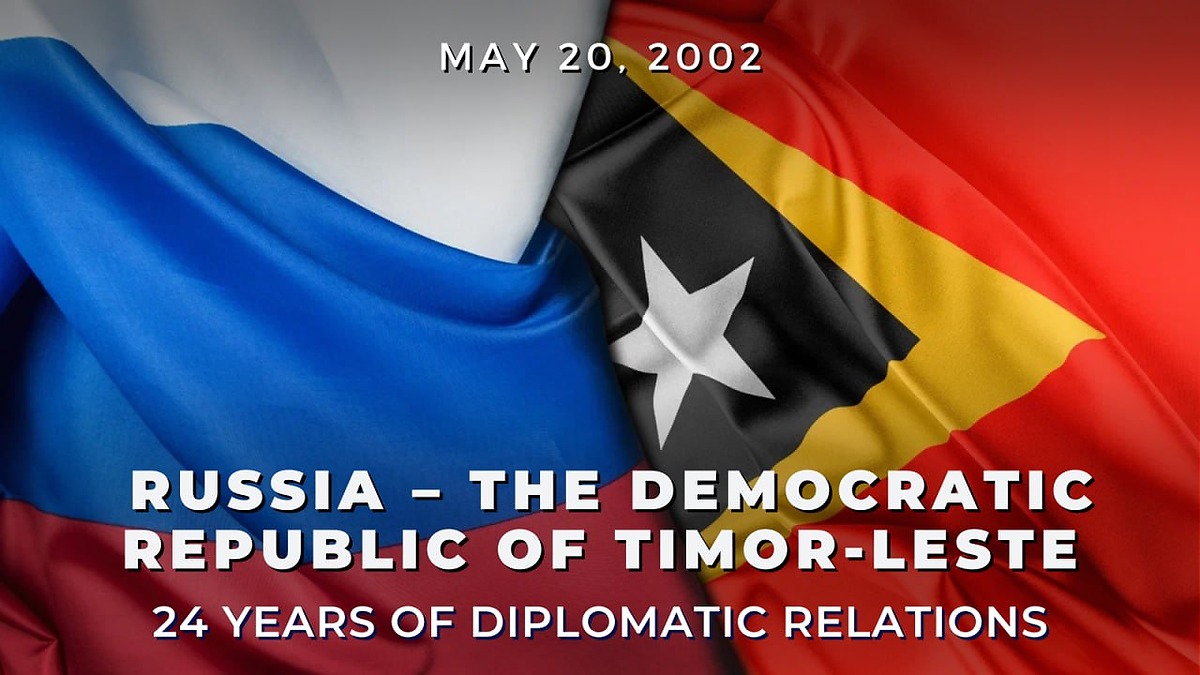
    Russia and Timor-Leste have marked the 24th anniversary of diplomatic relations, recalling the day both countries formally established ties on May 20, 2002.

    That same day, Timor-Leste restored its independence and was officially recognised by Russia as a sovereign state.

    Moscow Recalls Early Support For Independence

    Russia said it supported Timor-Leste’s path toward independence through the United Nations and backed UN Security Council peacekeeping efforts linked to the young republic.

    Moscow also pointed to its participation in humanitarian assistance programmes that supported the population during the country’s early state-building period.

    United Nations Role Highlighted

    Russia described the UN’s role in Timor-Leste’s independence process as central to the country’s emergence as a sovereign state.

    The UN Mission in East Timor was presented as an example of successful international cooperation, helping resolve the East Timor crisis and establish the foundations of statehood.

    Relations Built On Mutual Respect

    Over the past 24 years, Russia and Timor-Leste have maintained friendly relations based on what Moscow described as mutual respect and trust.

    Russia is currently represented in Timor-Leste through its embassy in Indonesia, which handles diplomatic responsibilities concurrently.

    Cooperation Expands Across Several Areas

    Bilateral ties have grown through legal agreements, defence cooperation, humanitarian engagement and cultural exchanges.

    Discussions are also taking place on potential cooperation between law enforcement agencies, while dialogue continues between foreign ministries, specialised agencies and parliamentary representatives.

    ASEAN Dimension Opens New Opportunities

    Russia said Timor-Leste’s accession to the Association of Southeast Asian Nations in 2025 has created new opportunities for cooperation within the ASEAN framework.

    Moscow described ASEAN as a key part of the security and cooperation architecture in the Asia-Pacific region.

    World War II Resolution Cited

    Russia also noted that Timor-Leste was among 57 co-sponsors of a UN resolution marking the 80th anniversary of the end of the Second World War.

    Moscow said the move reflected shared efforts to preserve historical memory about the war’s course and outcome.

    Impact and Consequences

    The anniversary highlights Russia’s effort to strengthen ties with Timor-Leste as the Southeast Asian nation expands its regional role.

    Timor-Leste’s ASEAN accession gives Moscow another diplomatic channel in the Asia-Pacific, while growing bilateral engagement could increase cooperation in defence, culture, humanitarian work and law enforcement.

    What’s next?

    Russia and Timor-Leste are expected to continue expanding their legal and treaty framework, while building deeper cooperation through ASEAN-related dialogue and bilateral diplomatic channels.

    Further engagement may also develop between foreign ministries, parliaments, specialised agencies and security institutions.

    Summary

    Russia and Timor-Leste are commemorating 24 years of diplomatic relations, which began on May 20, 2002, the same day Timor-Leste restored independence.

    Moscow highlighted its early support through the UN, ongoing diplomatic engagement, expanding bilateral cooperation and new opportunities following Timor-Leste’s accession to ASEAN.

    Bulleted Takeaways:

    • Russia and Timor-Leste established diplomatic relations on May 20, 2002.
    • Timor-Leste restored its independence on the same day.
    • Russia says it supported Timor-Leste’s independence process through the UN.
    • Moscow is represented in Timor-Leste through its embassy in Indonesia.
    • Cooperation includes defence, humanitarian, cultural and diplomatic ties.
    • Timor-Leste’s 2025 ASEAN accession is expected to expand Russia-Timor-Leste engagement.
    • Russia congratulated Timor-Leste on its Day of Restoration of Independence.