Blog

  • UK Accuses Russia Of Crushing Peace Efforts With Massive Drone And Missile Assaults Across Ukraine

    UK Accuses Russia Of Crushing Peace Efforts With Massive Drone And Missile Assaults Across Ukraine

    The United Kingdom has condemned Russia at the OSCE, accusing Moscow of responding to Ukraine’s ceasefire offer with a major escalation in aerial attacks on civilians.

    In its statement, the UK said peace efforts cannot be judged by words alone, arguing that Russia’s conduct shows continued aggression rather than genuine interest in negotiations.

    Ukraine’s Ceasefire Offer Met With New Strikes

    According to the UK, Ukraine had offered to extend a United States-brokered ceasefire in an effort to reduce civilian deaths and create space for dialogue.

    But instead of accepting that path, the UK said Russia launched one of the heaviest waves of drones and missiles since the full-scale invasion began.

    Kyiv Hit As Civilian Toll Rises

    The UK statement said Russia fired more than 1,470 drones and 56 missiles at Ukraine in the 24 hours leading up to the morning of 14 May.

    In Kyiv, Ukrainian authorities reported that 24 people were killed and 47 others injured, including children, after a residential building was hit.

    UK Says Russia Uses Pauses For Military Advantage

    British officials argued that Russia does not treat ceasefires as a route toward diplomacy.

    Instead, the statement accused Moscow of using short pauses to rebuild its missile and drone stockpiles before launching fresh attacks.

    Civilian Areas Remain Under Pressure

    The UK said the consequences are being felt across Ukraine, where homes, civilian districts, and critical services continue to come under attack.

    It said at least 238 Ukrainian civilians were killed and 1,404 injured in April, describing the figure as a 13% increase from March and the highest level since July 2025.

    Impact and Consequences

    The UK’s statement places further diplomatic pressure on Russia by framing its aerial campaign as a direct rejection of peace efforts.

    The attacks also risk deepening civilian suffering in Ukraine, damaging critical infrastructure, and weakening trust in ceasefire proposals if pauses are seen as opportunities for renewed military preparation.

    What’s next?

    The UK said it will continue supporting Ukraine’s defence and working with partners to ensure attacks on civilians are not ignored or treated as normal.

    London also said Russia could still demonstrate seriousness about peace by stopping attacks, engaging constructively, and choosing restraint.

    Summary

    The UK has accused Russia of rejecting meaningful peace efforts by intensifying attacks on Ukraine after Kyiv offered to extend a ceasefire. British officials said Moscow’s actions show that credible diplomacy requires restraint, not missile and drone strikes on civilian areas.

    Bulleted Takeaways:

    • The UK condemned Russia’s intensified aerial attacks on Ukraine.
    • Ukraine had offered to extend a US-brokered ceasefire.
    • Russia allegedly launched more than 1,470 drones and 56 missiles within 24 hours.
    • Kyiv reported 24 deaths and 47 injuries after a residential building was hit.
    • The UK accused Russia of using ceasefire pauses to prepare new attacks.
    • Britain said it will continue supporting Ukraine and pushing back against normalization of civilian attacks.
  • Zelenskyy Celebrates Ukrainian Strike That Sets Syzran Oil Refinery Ablaze Deep Inside Russia

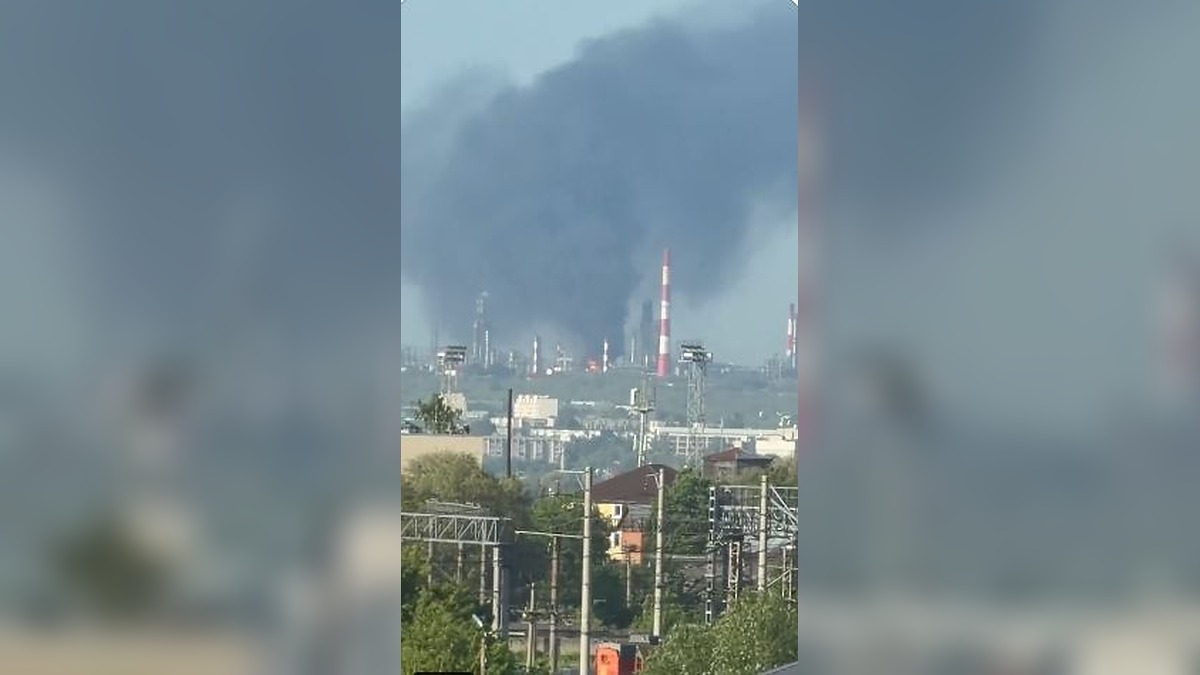
    Zelenskyy Celebrates Ukrainian Strike That Sets Syzran Oil Refinery Ablaze Deep Inside Russia

    Ukraine has claimed another long-range operation against Russia’s oil refining sector, with President Volodymyr Zelenskyy saying the Syzran oil refinery was struck more than 800 kilometers from Ukraine’s border.

    Zelenskyy Credits Ukrainian Forces

    Zelenskyy thanked Ukraine’s Unmanned Systems Forces and Special Operations Forces, praising what he described as their precision in carrying out the attack.

    Fire and Smoke Seen After Impact

    Following the reported strike, smoke and flames were said to be visible from miles away as the refinery burned after the long-range impact explosion.

    Impact and Consequences

    The attack adds further pressure on Russia’s energy infrastructure, particularly its oil refining network. Such strikes are aimed at disrupting fuel production, logistics, and revenue streams linked to Moscow’s war effort.

    What’s next?

    Ukraine appears set to continue targeting Russian oil facilities from long range. Zelenskyy’s statement suggests Kyiv views these operations as part of an ongoing campaign rather than a one-off strike.

    Summary

    Ukraine says it has hit the Syzran oil refinery deep inside Russia, marking another long-range attack on Russian energy infrastructure. Zelenskyy credited Ukrainian drone and special operations units for the strike.

    Bulleted Takeaways:

    • Ukraine reported a long-range strike on the Syzran oil refinery.
    • The facility is more than 800 kilometers from Ukraine’s border.
    • Zelenskyy thanked Ukrainian drone and special operations forces.
    • Smoke and fire were reportedly visible from miles away.
    • The strike is part of Ukraine’s continued campaign against Russian oil refining.
  • Two Gunmen Open Fire at Islamic Center of San Diego as Security Guard Is Killed in Clairemont Mosque Attack

    Two Gunmen Open Fire at Islamic Center of San Diego as Security Guard Is Killed in Clairemont Mosque Attack

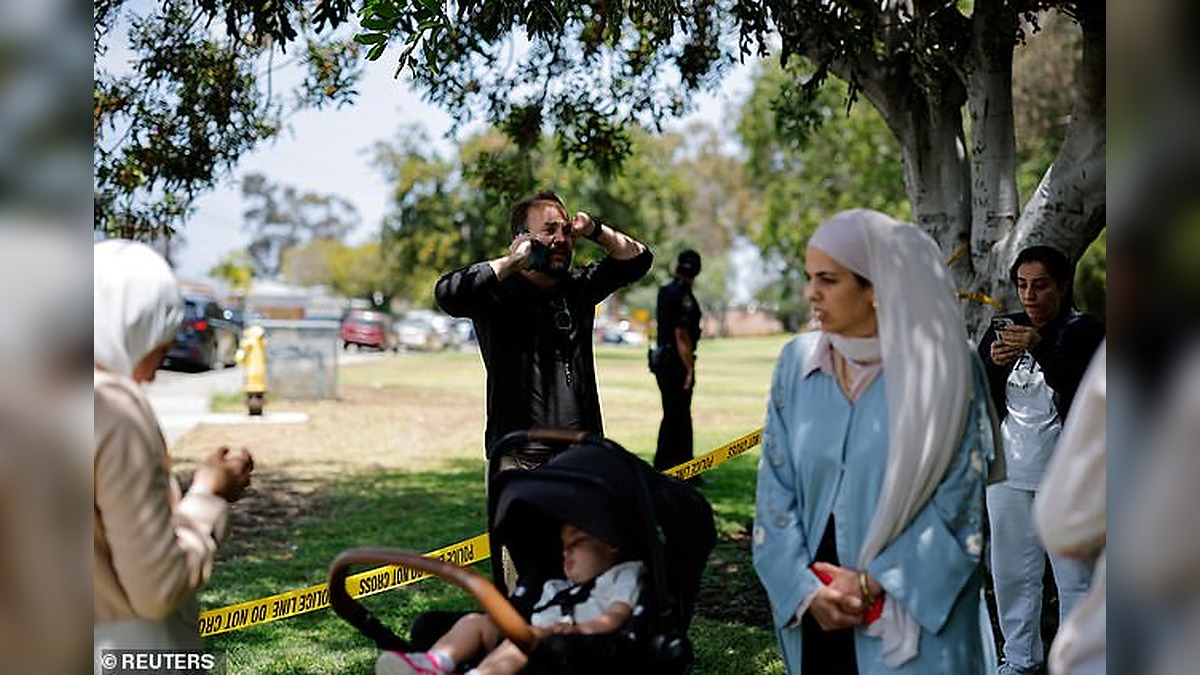
    A security guard was killed Monday after gunfire erupted at the Islamic Center of San Diego in Clairemont, authorities and mosque officials said.

    The shooting happened around 11:40 a.m. PT, sending worshippers, students, parents, and nearby residents into panic as police rushed to the scene.

    Two Gunmen Shot Dead by Police

    According to multiple reports, two unidentified gunmen opened fire at the mosque before they were shot and killed by police.

    By around 4 p.m., police said the threat had been neutralized, though officers and emergency crews remained heavily deployed around the area.

    Students Evacuated From Mosque School

    The Islamic Center also houses Al Rashid School, formerly known as the Islamic School of San Diego.

    Young students were seen being escorted out of the building by law enforcement as worried parents hurried to a reunification site to collect their children.

    Injured Victims Taken to Hospital

    Several injured people were reportedly taken to Sharp Memorial Hospital after the shooting.

    The number of patients and the severity of their injuries were not immediately confirmed. Hospital officials activated disaster protocols while preparing for more possible arrivals.

    Roads Closed as Shelter-in-Place Ordered

    Authorities urged the public to avoid the area as police activity continued.

    Parts of Interstate 805 near Balboa Avenue were shut down, and residents nearby were told to shelter in place while officers secured the scene.

    Leaders Respond to the Attack

    San Diego Mayor Todd Gloria said he was receiving updates from law enforcement and that emergency personnel were working to protect the community.

    California Governor Gavin Newsom also praised first responders and urged residents to follow instructions from local authorities.

    Impact and Consequences

    The shooting has shaken one of the largest Muslim communities in San Diego County.

    The Islamic Center of San Diego serves about 5,000 congregants, making the attack especially alarming for worshippers, families, and students connected to the mosque and school.

    The killing of a security guard and the evacuation of children will likely intensify concerns about safety at religious institutions.

    What’s next?

    Police are expected to continue investigating the motive, the identities of the gunmen, and the full number of injured victims.

    Authorities may also maintain road closures and security measures until the area is fully cleared.

    Summary

    A security guard was killed after two gunmen opened fire at the Islamic Center of San Diego in Clairemont.

    Police shot and killed both attackers, evacuated students from the mosque’s school, and directed parents to a reunification center as hospitals prepared for multiple victims.

    Bulleted Takeaways:

    • A security guard was killed at the Islamic Center of San Diego.
    • Two gunmen were shot dead by police.
    • The shooting happened around 11:40 a.m. PT in Clairemont.
    • Students from Al Rashid School were evacuated.
    • Several injured people were taken to Sharp Memorial Hospital.
    • Police closed nearby roads and ordered shelter-in-place measures.
    • Officials said the threat was neutralized by around 4 p.m.
  • Police Jail Nine Catholics in Rajasthan After Parishioners Chase Armed Intruders Out of Village Church During Mass

    Police Jail Nine Catholics in Rajasthan After Parishioners Chase Armed Intruders Out of Village Church During Mass

    Nine Catholics in Rajasthan, India, have spent more than two weeks in custody after a confrontation broke out during Mass at a village church in Kalinjara.

    The incident happened on May 1, when more than a dozen people allegedly entered the church during Communion, accused worshippers of religious conversion, and began recording the service.

    Parishioners Say Intruders Disrupted Mass

    Father Arvind Amliyar said he was celebrating evening Mass when the group entered the church and began shouting accusations.

    According to the priest, the situation escalated when one of the intruders allegedly pulled out a knife. Parishioners then seized the weapon and forced the group out of the church.

    Police Arrest Catholics Instead of Intruders

    Church leaders say police arrived after the disturbance but arrested Catholics rather than taking action against those who entered the church.

    Four Catholics were arrested the same night. Five more were detained on May 4, including 70-year-old Anil Rawat, a retired government school headmaster who runs a private school.

    Bail Rejected Twice

    The arrested parishioners were charged with conversion and attempted murder.

    A local magistrate denied bail shortly after the arrests. The case was later taken to the Banswara district court, but bail was rejected again on May 12.

    Bishop Devprasad John Ganawa of Udaipur said the allegations were false and expressed frustration that the accused remain jailed.

    Church Leaders Criticize Anti-Conversion Laws

    Catholic leaders and Christian rights advocates say the case reflects a wider pattern of anti-conversion laws being used against religious minorities.

    A.C. Michael of the United Christian Forum said such laws have made it difficult for accused Christians to obtain bail, even when cases are based on weak or disputed claims.

    He said many Christians remain in jail while legal challenges move slowly through higher courts.

    Impact and Consequences

    The arrests have deepened concerns among Christian communities in Rajasthan and other Indian states with anti-conversion laws.

    Church leaders say the case could discourage worshippers from openly practicing their faith, especially in rural areas where small Christian communities are more vulnerable to intimidation.

    The case has also intensified debate over whether anti-conversion laws are protecting religious freedom or being used to target minorities.

    What’s next?

    Church lawyers plan to approach the High Court with senior legal counsel after two failed bail attempts.

    Christian groups are also expected to continue pressing for stronger legal protections and renewed scrutiny of anti-conversion laws.

    Summary

    Nine Catholics from Bandaria Parish remain in jail after a May 1 confrontation at a village church in Rajasthan. Church leaders say intruders disrupted Mass, but police arrested parishioners on conversion and attempted murder charges.

    Bail has been denied twice, and the case is now expected to move to the High Court.

    Bulleted Takeaways:

    • Nine Catholics have been jailed for more than two weeks in Rajasthan.
    • The incident began when a group entered a village church during Mass.
    • Parishioners say one intruder pulled out a knife before being forced out.
    • Police arrested Catholics and charged them with conversion and attempted murder.
    • Bail was denied by both a local magistrate and the Banswara district court.
    • Church leaders say the charges are false.
    • Christian advocates say anti-conversion laws are being misused against minorities.
  • US Forces Tighten Iran Blockade in the Arabian Sea as CENTCOM Says 81 Commercial Ships Have Been Redirected

    US Forces Tighten Iran Blockade in the Arabian Sea as CENTCOM Says 81 Commercial Ships Have Been Redirected

    U.S. Central Command says American forces are continuing maritime enforcement operations in the Arabian Sea and near the Strait of Hormuz as part of a U.S. blockade against Iran.

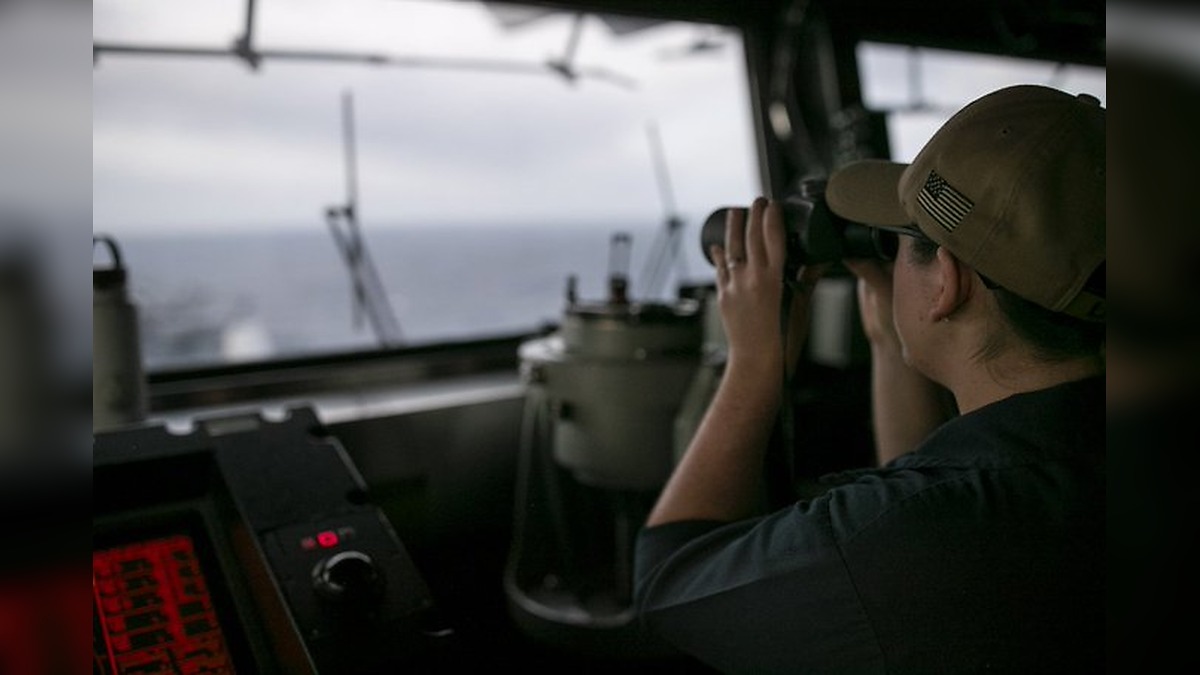
    In its latest update, CENTCOM said the Tripoli Amphibious Ready Group is involved in the operation, with U.S. sailors maintaining watch as the USS Tripoli moves through regional waters.

    USS Tripoli Takes Central Role in Arabian Sea

    CENTCOM said a U.S. sailor was seen standing watch on the bridge of USS Tripoli while the amphibious assault ship transited the Arabian Sea.

    The command described the ship and its Amphibious Ready Group as part of the force enforcing the maritime blockade.

    Commercial Vessels Redirected

    According to CENTCOM, U.S. forces had redirected 81 commercial vessels as of May 17.

    The command also said four vessels had been disabled to ensure compliance with the blockade.

    That figure marked an increase from the previous day, when CENTCOM said 78 commercial ships had been redirected and four disabled.

    Army Helicopter Monitors Ships Near Strait of Hormuz

    CENTCOM also reported that a U.S. Army helicopter observed commercial vessels while flying over regional waters near the Strait of Hormuz.

    The Strait of Hormuz remains one of the world’s most sensitive maritime corridors, making any military enforcement activity in the area especially significant.

    Impact and Consequences

    The growing number of redirected ships shows that U.S. enforcement activity is intensifying around key waterways near Iran.

    The operation could increase pressure on Tehran while also raising concerns about disruptions to commercial shipping and the risk of confrontation in the region.

    With U.S. warships, helicopters, and naval personnel involved, the blockade has become a major military and logistical operation.

    What’s next?

    U.S. forces are expected to continue monitoring and redirecting commercial vessels in the Arabian Sea and near the Strait of Hormuz.

    Further CENTCOM updates may show whether the number of redirected ships continues to rise and whether Iran or regional actors respond to the blockade.

    Summary

    U.S. Central Command said the USS Tripoli and other American forces are enforcing a maritime blockade against Iran.

    As of May 17, CENTCOM reported that 81 commercial vessels had been redirected and four had been disabled. A day earlier, the figure stood at 78 redirected ships, showing continued enforcement activity near strategic regional waters.

    Bulleted Takeaways

    • CENTCOM says USS Tripoli is enforcing the U.S. blockade against Iran.
    • The ship is operating in the Arabian Sea.
    • U.S. forces reported 81 commercial vessels redirected as of May 17.
    • Four vessels have been disabled to ensure compliance.
    • The redirected vessel count increased from 78 on May 16.
    • A U.S. Army helicopter monitored commercial ships near the Strait of Hormuz.
    • The Tripoli Amphibious Ready Group is part of the enforcement mission.
    • The operation highlights growing U.S. military activity around Iran-linked waters.
  • Russia Hammered Ukraine With Thousands of Drones and Bombs as 52 Civilians Were Killed This Week

    Russia Hammered Ukraine With Thousands of Drones and Bombs as 52 Civilians Were Killed This Week

    Ukrainian President Volodymyr Zelenskyy said Russia launched thousands of aerial attacks against Ukraine this week, killing dozens of people and injuring hundreds more.

    In a new statement, Zelenskyy said Russian forces fired more than 3,170 attack drones, over 1,300 guided aerial bombs, and 74 missiles of different types at Ukraine. He said most of the missiles were ballistic.

    Civilian Areas Hit Across Ukraine

    Zelenskyy said many of the strikes hit residential buildings and other civilian infrastructure.

    According to the Ukrainian leader, 52 people were killed in the attacks during the week. He offered condolences to the families and loved ones of those who died.

    He also said 346 people were affected or injured, including 22 children.

    Ukraine Calls for Stronger Air Defense

    Zelenskyy said Ukrainians need greater protection from Russian aerial attacks.

    He argued that every system, missile, or contribution that strengthens Ukraine’s air defense directly helps save lives.

    The president pointed to the PURL initiative and additional support for anti-ballistic missiles as especially important for the country’s defense needs.

    Europe Urged to Build Joint Missile Protection

    Zelenskyy also called for broader European cooperation against ballistic missile threats.

    He said Europe must work toward joint protection so that Russian aerial attacks cannot endanger Ukraine or other countries on the continent.

    The Ukrainian leader said self-sufficiency in defense is essential as Russia continues its campaign of air attacks.

    Partners Thanked for Defense Support

    Zelenskyy thanked Ukraine’s partners who have already taken concrete steps to support the country’s defense.

    He said continued international assistance remains critical as Ukraine works to protect civilians, cities, and infrastructure from drones, bombs, and missiles.

    Impact and Consequences

    The reported scale of Russia’s attacks shows the continuing pressure on Ukraine’s air defense network.

    With thousands of drones and guided bombs launched in a single week, Ukraine faces a constant need for interceptors, anti-ballistic systems, radar support, and coordinated protection across cities and frontline regions.

    The casualty figures also underline the civilian cost of the war, especially as strikes continue hitting homes and infrastructure.

    What’s next?

    Ukraine is expected to keep pressing allies for more air defense systems and anti-ballistic missiles.

    European governments may face renewed pressure to increase contributions, expand joint defense planning, and support programs such as PURL.

    Further Russian strikes could intensify calls for faster deliveries of protective systems.

    Summary

    Zelenskyy said Russia launched more than 3,170 attack drones, over 1,300 guided aerial bombs, and 74 missiles against Ukraine this week.

    He said the attacks killed 52 people and injured or affected 346 others, including 22 children.

    The Ukrainian president urged more air defense support, more anti-ballistic missiles, and stronger European cooperation against missile threats.

    Bulleted Takeaways

    • Zelenskyy said Russia launched more than 3,170 attack drones this week.
    • Ukraine also faced over 1,300 guided aerial bombs.
    • Russia fired 74 missiles of various types, most of them ballistic.
    • The attacks killed 52 people, according to Zelenskyy.
    • Another 346 people were affected or injured.
    • The injured included 22 children.
    • Zelenskyy said residential buildings and civilian infrastructure were hit.
    • Ukraine is calling for stronger air defense support.
    • Zelenskyy said anti-ballistic missile contributions are critical.
    • He urged Europe to work on joint protection against ballistic missile threats.
  • Trump Mobile Finally Ships Gold MAGA Phone in America After Months of Delays and Vanishing “Made in USA” Claims

    Trump Mobile Finally Ships Gold MAGA Phone in America After Months of Delays and Vanishing “Made in USA” Claims

    Trump Mobile says its long-delayed gold T1 Phone is now being shipped to customers, ending months of uncertainty around the MAGA-branded handset.

    The company said the $499 device had “arrived” and that customers who placed $100 deposits would begin receiving email updates as deliveries move forward.

    Hundreds of Thousands Placed Deposits

    According to Trump Mobile, about 590,000 customers paid deposits for the phone.

    CEO Pat O’Brien said pre-ordered devices began reaching customers this week. He said the delay was caused by quality checks and the challenges involved in launching a new smartphone.

    Terms Sparked Fresh Questions

    The shipping announcement followed renewed attention on Trump Mobile’s website terms and conditions.

    The terms were reportedly updated last month to say that paying a deposit did not guarantee a phone would ever be produced or offered for sale.

    Instead, the company described the deposit as a “conditional opportunity” to buy the device if Trump Mobile decided to make it available.

    Deposit Total Draws Scrutiny

    With roughly 590,000 deposits reportedly placed, the $100 payments would amount to about $59 million.

    Critics questioned the arrangement after months of silence and delays, especially because the phone had originally been expected to launch last August.

    The company said demand was extremely high and that orders would be fulfilled as quickly as possible over the coming weeks.

    “Made in America” Language Changed

    The T1 Phone was first promoted with patriotic branding and claims connected to American manufacturing.

    However, Trump Mobile later shifted to less specific wording, saying the phone was designed with “American values” in mind.

    The change came after analysts questioned whether a $499 smartphone could realistically be manufactured in the United States.

    Critics Question the Device’s Origins

    Some critics claimed the handset looked similar to cheaper Android devices already available on the market.

    The phone’s specifications also led to comparisons with lower-cost models, raising questions about where the device and its components are actually made.

    It remains unclear which parts of the T1 Phone, if any, are manufactured in the United States.

    Trump Family Promoted the Brand

    Trump Mobile was launched last year by the Trump Organization under a trademark licensing arrangement.

    Donald Trump Jr. and Eric Trump promoted the venture, which includes both the handset and a monthly wireless plan.

    The company’s 5G plan costs $47.45 per month, a price widely viewed as a reference to Donald Trump being the 45th and 47th president.

    Impact and Consequences

    The start of shipping could ease pressure from customers who had been waiting months for updates.

    However, questions about the changed manufacturing language, deposit terms, and delayed rollout may continue to follow the company.

    For supporters, the phone may serve as another political lifestyle product tied to the Trump brand. For critics, the launch raises concerns about branding, transparency, and whether the product lives up to its patriotic marketing.

    What’s next?

    Trump Mobile says shipping updates will continue as orders are fulfilled over the next several weeks.

    Customers will be watching for delivery timelines, device quality, and whether the final product matches what was originally promoted.

    More scrutiny may also focus on where the phone is manufactured and how the company handles customers who paid deposits.

    Summary

    Trump Mobile says its $499 gold T1 Phone is finally shipping after months of delays.

    The announcement comes after controversy over changed website terms, disappearing “Made in America” claims, and criticism that the phone resembles cheaper Android devices. The company says quality checks delayed the rollout and that high demand is being handled as quickly as possible.

    Bulleted Takeaways

    • Trump Mobile says the gold T1 Phone has started shipping.
    • The phone costs $499.
    • Around 590,000 customers reportedly paid $100 deposits.
    • The company originally planned to launch the device last August.
    • Website terms said deposits did not guarantee a phone would be produced.
    • The deposits reportedly total about $59 million.
    • Earlier “Made in America” claims were replaced with vaguer language.
    • Critics questioned whether the phone was actually U.S.-made.
    • Trump Mobile says demand has been very high.
    • The company’s 5G plan costs $47.45 per month.
  • Riverside Authorities Expose Massive Child Exploitation Network as Operation Volcano Identifies Over 500 Suspected Offenders

    Riverside Authorities Expose Massive Child Exploitation Network as Operation Volcano Identifies Over 500 Suspected Offenders

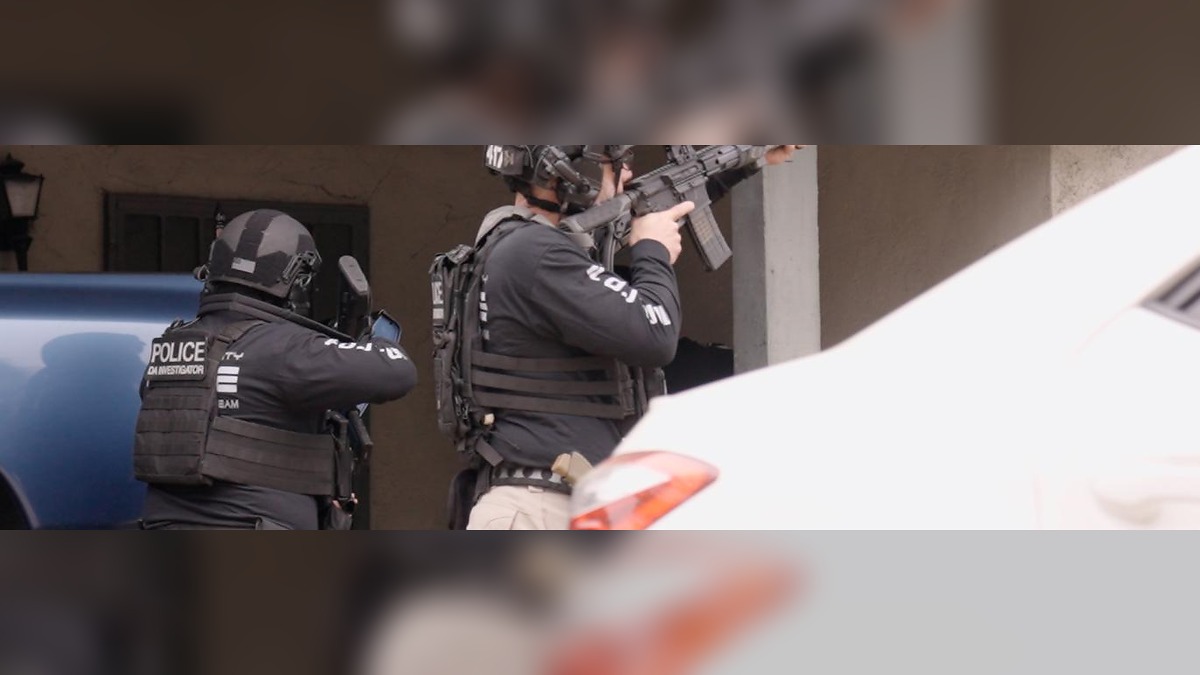
    A yearlong child exploitation investigation in Riverside County has identified more than 500 suspected offenders and resulted in 42 arrests, authorities said.

    The operation, known as Operation Volcano, was led by the Riverside County Child Exploitation Team and focused on suspected online distribution of child sexual abuse material.

    Investigation Ran for One Year

    Authorities said the operation took place from March 2025 through March 2026.

    The effort was carried out with support from O.U.R. Rescue, a nonprofit organization that works to combat child exploitation.

    Officials said the group provided resources and operational assistance that helped sustain the investigation over the full year.

    Hundreds of IP Addresses Flagged

    Investigators identified more than 500 unique IP addresses allegedly connected to the distribution of child sexual abuse material through peer-to-peer networks.

    Each lead was reviewed through a triage process designed to prioritize suspects believed to pose the highest risk.

    High-Risk Offenders Targeted

    Authorities said the high-risk category included people with previous sex offense histories, individuals under criminal justice supervision, and people in positions of public trust or jobs involving children.

    Investigators served 46 residential search warrants during the operation.

    Arrests Include Professionals and Registered Sex Offenders

    The search warrants led to 42 arrests.

    Fourteen people arrested were classified as high-risk offenders.

    Authorities said that group included a person wanted on a $2 million child sexual assault warrant, a child psychologist, a naturopathic doctor, a retired law enforcement employee, a California prison IT employee, a local government planning director, a hospital chief technology officer, a notary public, a United States Postal Service employee, two corporate vice presidents, and three registered sex offenders.

    Multiple Agencies Joined the Operation

    Operation Volcano was supported by Homeland Security Investigations, the San Diego Internet Crimes Against Children Task Force, the Los Angeles ICAC Task Force, and the California Highway Patrol.

    RCCET operates as an affiliate of the San Diego ICAC Task Force and is led by the Riverside County District Attorney’s Office Bureau of Investigation.

    Wider Law Enforcement Network Involved

    The team also works with the Riverside County Sheriff’s Office and police departments in Beaumont, Blythe, Desert Hot Springs, Indio, Menifee, Murrieta, and Riverside.

    Other participating agencies include the California Department of Corrections and Rehabilitation, FBI Inland Regional Child Exploitation and Human Trafficking Task Force, U.S. Department of Homeland Security, and U.S. Marshals Service.

    Impact and Consequences

    The operation represents a major enforcement action against online child exploitation networks in Riverside County.

    By identifying hundreds of suspected offenders and prioritizing high-risk targets, investigators say they were able to focus on people considered especially dangerous because of prior records, professional access, or positions of trust.

    The arrests may also lead to broader investigations as law enforcement reviews seized devices, digital evidence, and possible links to wider online networks.

    What’s next?

    Authorities said all investigations connected to Operation Volcano remain ongoing.

    Additional charges, evidence reviews, or related arrests could follow as investigators continue examining the cases and digital materials connected to the search warrants.

    Summary

    Riverside County authorities announced that Operation Volcano identified more than 500 suspected distributors of child sexual abuse material and led to 42 arrests.

    The yearlong investigation was led by RCCET with support from O.U.R. Rescue and several state, local, and federal law enforcement partners. Officials said 14 arrested individuals were considered high-risk offenders.

    Bulleted Takeaways

    • Operation Volcano ran from March 2025 through March 2026.
    • More than 500 suspected offenders were identified.
    • Investigators linked the cases to peer-to-peer distribution networks.
    • Authorities served 46 residential search warrants.
    • The operation resulted in 42 arrests.
    • Fourteen arrested individuals were classified as high-risk offenders.
    • Several suspects held professional or public-trust positions.
    • RCCET led the operation with support from O.U.R. Rescue.
    • Federal, state, and local agencies assisted the investigation.
    • Authorities said all investigations remain ongoing.
  • U.S. Forces Enforce Iran Blockade in the Arabian Sea as CENTCOM Reports 75 Commercial Ships Redirected

    U.S. Forces Enforce Iran Blockade in the Arabian Sea as CENTCOM Reports 75 Commercial Ships Redirected

    U.S. Central Command has released a series of updates showing American aircraft, helicopters, Marines, and warships operating across the Arabian Sea as regional tensions remain high.

    The posts highlighted activity from the USS Tripoli, USS Rafael Peralta, and U.S. Air Force fighter units stationed in the Middle East.

    F-35B Fighters Launch From USS Tripoli

    CENTCOM said U.S. Marine Corps F-35B aircraft took off from the USS Tripoli as the amphibious assault ship moved through the Arabian Sea.

    The F-35B is designed for short takeoffs and vertical landings, allowing it to operate from large U.S. Navy amphibious ships without needing a traditional aircraft carrier flight deck.

    Sea Hawk Helicopter Operations Continue

    Another CENTCOM update showed an MH-60R Sea Hawk launching from the USS Rafael Peralta while the destroyer transited the Arabian Sea.

    According to the post, American forces are enforcing a maritime blockade against Iran. CENTCOM said 75 commercial vessels had been redirected and four had been disabled to ensure compliance.

    Fighter Patrols Over the Middle East

    CENTCOM also shared footage of a U.S. Air Force F-16 taking off from a Middle East base for a night flight.

    The command said American fighter aircraft regularly patrol the region’s skies as part of broader security operations.

    Marines Conduct Training Aboard USS Tripoli

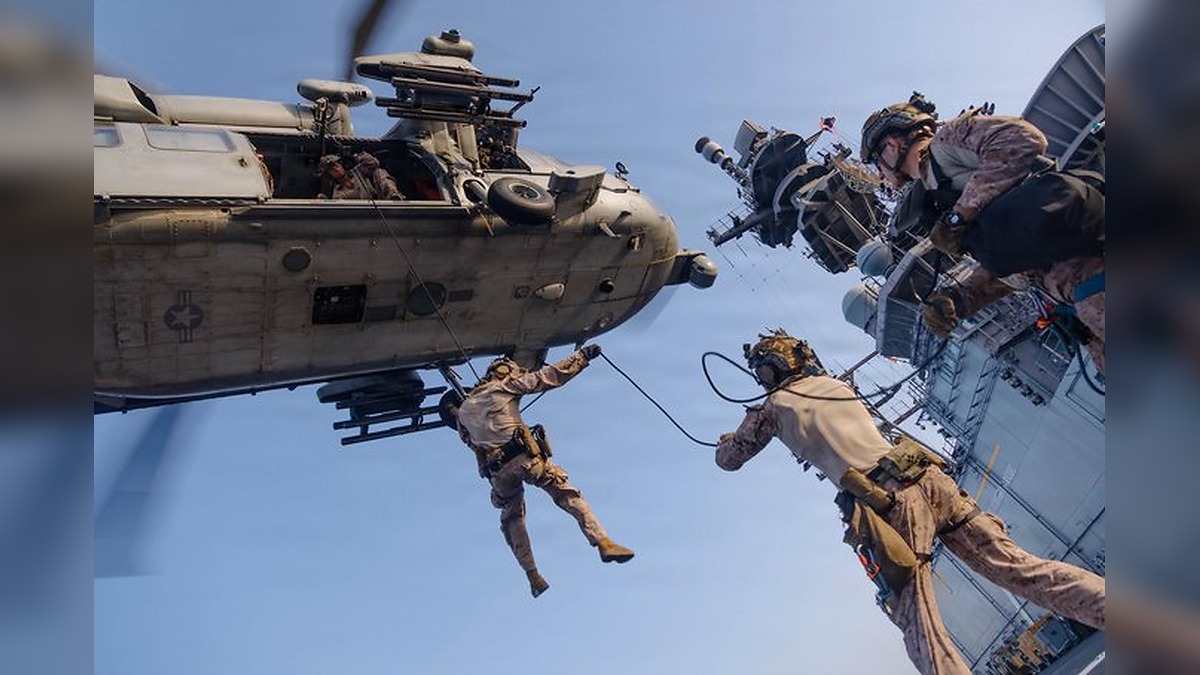
    In a separate update, CENTCOM said Marines from the 31st Marine Expeditionary Unit conducted scheduled training aboard the USS Tripoli.

    The training included Marines rappelling from an MH-60S Sea Hawk helicopter. CENTCOM said the Tripoli was among more than 20 warships supporting the blockade.

    Impact and Consequences

    The updates show a visible U.S. military presence in the Arabian Sea, combining air patrols, naval movements, helicopter operations, and Marine training.

    The reported redirection of commercial vessels and disabling of ships could increase pressure on Iran while also raising the risk of confrontation at sea.

    The deployment of F-35B aircraft, F-16 fighters, destroyers, helicopters, and amphibious forces signals that Washington is maintaining a broad operational posture across the region.

    What’s next?

    U.S. forces are expected to continue patrols, maritime enforcement operations, and scheduled military training in the region.

    Further CENTCOM updates may provide more details on vessel redirections, naval activity, air operations, and any response from Iran or regional actors.

    Summary

    U.S. Central Command reported multiple military activities across the Arabian Sea and the Middle East, including F-35B launches from USS Tripoli, Sea Hawk helicopter operations from USS Rafael Peralta, F-16 night flights, and Marine training exercises.

    CENTCOM said American forces are enforcing a maritime blockade against Iran, with dozens of commercial vessels redirected and four disabled.

    Bulleted Takeaways

    • U.S. Marine Corps F-35B aircraft launched from USS Tripoli in the Arabian Sea.
    • The F-35B can perform short takeoffs and vertical landings.
    • An MH-60R Sea Hawk operated from USS Rafael Peralta.
    • CENTCOM said U.S. forces are enforcing a maritime blockade against Iran.
    • The command reported 75 commercial vessels redirected.
    • CENTCOM said four vessels had been disabled.
    • A U.S. Air Force F-16 launched for a night flight from a Middle East base.
    • Marines from the 31st Marine Expeditionary Unit trained aboard USS Tripoli.
    • CENTCOM said more than 20 warships are supporting the blockade.
    • The updates reflect continued U.S. military activity across the region.
  • Newsom Claims California Erased Its Deficit in Sacramento Budget Plan While Cutting Spending and Protecting Core Services

    Newsom Claims California Erased Its Deficit in Sacramento Budget Plan While Cutting Spending and Protecting Core Services

    California Governor Gavin Newsom has introduced a revised 2026-27 state budget plan that his office says wipes out the state’s projected deficit through July 2028 while continuing funding for major public programs.

    The proposal, released in Sacramento on May 14, 2026, presents a sharp fiscal message: no deficit in the current budget year, no deficit in the next budget year, and no structural deficit through July 2028.

    Spending Cut Paired With Reserve Strategy

    The revised plan includes a $1.8 billion reduction in General Fund spending. Newsom’s administration says the move is part of a broader effort to stabilize California’s finances over multiple years.

    The budget also places $9.7 billion into the state’s Surplus Holding Account, a step meant to help future fiscal years and prevent the state from committing uncertain revenue too quickly.

    Nearly $30 Billion in Reserves Maintained

    Despite the spending reduction, the proposal keeps California’s combined reserves near $30 billion. According to the Governor’s office, reserves have grown by 30% since Newsom became governor.

    The administration says the revised plan avoids major new ongoing General Fund commitments and instead focuses on fiscal restraint, budget stability, and preparation for future economic risks.

    Core Services Remain Protected

    Newsom argued that California can reduce spending while still protecting healthcare, education, and essential services.

    The revised budget includes a $300 million healthcare affordability investment, which the Governor’s office linked to the failure to renew Affordable Care Act subsidies under President Trump.

    Education and Schools Receive Major Funding

    The proposal also includes a record $5 billion block grant for priorities such as teacher training and support.

    Special education would receive a $2.4 billion ongoing increase, described by the Governor’s office as the largest special education investment in California history.

    Another $500 million would go toward literacy and math support in high-need schools.

    Small Businesses, Housing, and Disaster Recovery Included

    The budget proposes a 50% tax cut for hundreds of thousands of new small businesses through reduced LLC fees.

    It also includes a new $100 million disaster rebuilding fund aimed at helping wildfire survivors rebuild their homes.

    Housing remains part of the plan, with proposed reforms intended to lower construction costs and increase affordable housing production.

    Impact and Consequences

    The revised budget gives Newsom a stronger fiscal argument at a time when California faces economic uncertainty and political pressure over spending.

    If approved, the plan would reduce California’s short-term deficit concerns while preserving major investments in healthcare, schools, housing, disaster recovery, clean energy, public safety, and natural resources.

    However, the proposal also signals a more cautious spending approach, with fewer new long-term commitments and a stronger emphasis on reserves.

    What’s next?

    The revised budget will now move through negotiations with state lawmakers before a final spending plan is adopted.

    Key areas to watch include how legislators respond to the proposed spending reductions, reserve strategy, education funding, healthcare affordability measures, and housing reforms.

    Summary

    Governor Gavin Newsom’s revised 2026-27 California budget proposal eliminates the projected deficit through July 2028, reduces General Fund spending by $1.8 billion, maintains nearly $30 billion in reserves, and continues investments in major public services.

    The plan combines fiscal restraint with targeted funding for healthcare, education, small businesses, housing, disaster recovery, and affordability programs.

    Bulleted Takeaways

    • Newsom’s revised budget projects a $0 deficit this year and next year.
    • The plan eliminates California’s structural deficit through July 2028.
    • General Fund spending would be reduced by $1.8 billion.
    • California would place $9.7 billion into the Surplus Holding Account.
    • The state would maintain nearly $30 billion in combined reserves.
    • The proposal includes $300 million for healthcare affordability.
    • Schools would receive major investments, including $5 billion for education priorities.
    • Special education would receive a $2.4 billion ongoing increase.
    • New small businesses would benefit from lower LLC fees.
    • A $100 million disaster rebuilding fund would support wildfire survivors.