Blog

  • DISH Wireless Agrees to Pay $17.2 Million Over Federal Broadband Program Allegations

    DISH Wireless Agrees to Pay $17.2 Million Over Federal Broadband Program Allegations

    DISH Wireless LLC has agreed to pay $17,280,240 to settle federal allegations that it improperly received money from government broadband assistance programs meant to help low-income households get internet service.

    The Englewood, Colorado-based company, a wholly owned subsidiary of EchoStar Corporation, provides wireless telecommunications services in the United States through Boost Mobile.

    Federal officials said the settlement resolves claims tied to the FCC’s Emergency Broadband Benefit Program and its successor, the Affordable Connectivity Program.

    The allegations were brought under the False Claims Act, common law, and the Communications Act of 1934. Officials said the resolved claims remain allegations only, and there has been no determination of civil liability.

    Federal Officials Say Program Rules Were Ignored

    The Justice Department said companies that knowingly violate federal program rules and collect money they are not entitled to receive will face enforcement action.

    Assistant Attorney General Brett A. Shumate of the Justice Department’s Civil Division said the settlement reflects the department’s effort to protect the integrity of FCC programs.

    U.S. Attorney Jeanine F. Pirro for the District of Columbia was more direct, saying DISH and its employees fraudulently enrolled ineligible applicants and received federal payments they should not have received.

    FCC Inspector General Fara Damelin also said DISH continued seeking program funds for months after company executives learned about enrollment fraud by agents and after an FCC Office of Inspector General advisory warning.

    What the Broadband Programs Were Designed to Do

    The Emergency Broadband Benefit Program, known as EBBP, was created by Congress during the COVID-19 pandemic through the Consolidated Appropriations Act.

    The program provided $3.2 billion in 2021 to help low-income consumers pay for discounted broadband services and devices.

    Its successor, the Affordable Connectivity Program, or ACP, later provided an additional $14 billion for similar services between 2022 and 2024.

    Consumers could qualify for the programs if they met income requirements or participated in certain federal, state, or Tribal assistance programs. Those programs included Medicaid, SNAP, Supplemental Security Income, and the National School Lunch Program.

    How DISH Enrolled Subscribers

    Between May 2021 and February 2022, DISH enrolled more than 130,000 subscribers into EBBP and ACP based on school-related eligibility.

    The company relied on a rule connected to the Community Eligibility Provision, or CEP, which applies to schools in high-poverty areas where all students can qualify for free school breakfast and lunch.

    For each eligible subscriber, DISH could receive up to $50 per month under EBBP and up to $30 per month under ACP.

    Federal officials alleged that some of the subscribers enrolled by DISH agents under the CEP pathway were not actually eligible.

    Allegations Against DISH and Its Sales Agents

    The government alleged that DISH submitted claims from May 12, 2021, through February 28, 2022, for discounted broadband services and devices for subscribers who did not qualify.

    Officials also said DISH failed to put effective policies in place to verify subscriber eligibility.

    The government further alleged that DISH did not properly screen, train, or supervise third-party sales agents.

    According to the allegations, some third-party agents were not properly registered in the Universal Service Administrative Company’s Representative Accountability Database.

    Federal officials said internal DISH sales employees in Texas, Florida, New York, and West Virginia trained and directed third-party sales agents to submit customer applications with inaccurate school information.

    Those agents allegedly submitted false or incomplete information into the FCC’s National Verifier, the system used to determine whether applicants qualified for the programs.

    Questionable School-Based Enrollments Raised Red Flags

    Federal investigators said DISH enrolled more than 16,000 households based on alleged attendance at a CEP school located more than 25 miles from the household address, without verified school attendance.

    The government also alleged that DISH enrolled 130 households based on a claimed dependent over the age of 21 attending a CEP school.

    In some cases, officials said DISH enrolled more households into the Emergency Broadband Benefit Program through certain CEP schools than the schools’ actual student enrollment.

    The government further alleged that after DISH executives became aware of issues involving CEP enrollments, they failed to take corrective action between September 2021 and April 2022.

    Additional Common Law Allegations

    The settlement also resolves separate common law allegations.

    Federal officials said DISH submitted claims for more than 66,000 subscribers whose applications did not identify a school-aged student.

    The government also alleged that DISH enrolled more than 2,400 subscribers using duplicate beneficiaries as the basis for eligibility.

    FCC Administrative Order Also Resolved

    The civil settlement also resolves an administrative order issued by the FCC’s Wireline Competition Bureau involving similar allegations against DISH.

    That order was released on January 17, 2025, in connection with a request for review involving DISH Wireless and decisions by the Universal Service Administrator.

    Federal Fraud Enforcement Effort Continues

    Officials said the DISH settlement comes as the administration continues a broader push against fraud, waste, and abuse in federal programs.

    The government pointed to the creation of the Task Force to Eliminate Fraud and the National Fraud Enforcement Division as part of that effort.

    Federal officials said fraudulent use of public assistance programs harms taxpayers, undermines businesses that follow the rules, and hurts the people those programs were designed to help.

    The case was handled through a coordinated effort involving the Justice Department’s Civil Division, the U.S. Attorney’s Office for the District of Columbia, the FCC Office of Inspector General, and the FCC Office of General Counsel.

    Impact and Consequences

    The settlement puts DISH under a major financial penalty while also sending a warning to companies participating in federal benefit programs.

    For taxpayers, the case highlights concerns about how public funds can be misused when companies fail to verify eligibility or properly supervise sales agents.

    For low-income households, the allegations are especially serious because programs like EBBP and ACP were created to help people who genuinely needed support paying for broadband service.

    The case also raises broader questions about oversight, third-party sales practices, and whether companies receiving federal subsidies have strong enough systems to prevent abuse.

    What’s Next?

    DISH will pay more than $17.2 million to resolve the allegations.

    Federal agencies are expected to continue monitoring fraud risks in communications and benefit programs, especially where companies receive federal payments based on customer enrollment.

    The Justice Department also signaled that False Claims Act enforcement will remain a major tool in its broader campaign against fraud in government-funded programs.

    Summary

    DISH Wireless has agreed to pay $17,280,240 to settle allegations that it improperly received federal funds from the FCC’s Emergency Broadband Benefit Program and Affordable Connectivity Program.

    The government alleged that DISH enrolled ineligible subscribers, failed to properly supervise third-party sales agents, submitted claims based on inaccurate school eligibility information, and continued seeking funds even after learning about problems.

    The settlement resolves civil allegations only, with no determination of civil liability.

    Bulleted Takeaways

    • DISH Wireless LLC agreed to pay $17,280,240 to settle federal allegations.
    • The case involved the FCC’s Emergency Broadband Benefit Program and Affordable Connectivity Program.
    • DISH is based in Englewood, Colorado.
    • The company provides wireless services through Boost Mobile.
    • Federal officials alleged DISH received payments for subscribers who were not eligible.
    • The allegations were brought under the False Claims Act, common law, and the Communications Act of 1934.
    • EBBP provided $3.2 billion in broadband support during the COVID-19 pandemic.
    • ACP later provided another $14 billion between 2022 and 2024.
    • DISH enrolled more than 130,000 subscribers using school-based eligibility connected to CEP schools.
    • The government alleged some DISH employees and sales agents submitted inaccurate school information.
    • More than 16,000 households were allegedly enrolled using schools located over 25 miles from their home addresses without verified attendance.
    • More than 66,000 subscribers allegedly did not identify a school-aged student in their applications.
    • More than 2,400 subscribers were allegedly enrolled using duplicate beneficiaries.
    • Officials said DISH executives failed to take corrective action after learning about enrollment issues.
    • The settlement also resolves an FCC administrative order involving similar allegations.
    • The claims resolved by the settlement are allegations only, and there has been no determination of civil liability.
  • Norwegian Parliament Delays Epstein Hearing After Former Diplomats’ Son Dies by Suicide Amid Oslo Corruption Scandal

    Norwegian Parliament Delays Epstein Hearing After Former Diplomats’ Son Dies by Suicide Amid Oslo Corruption Scandal

    A planned hearing in Norway’s Parliament about Norwegian connections to Jeffrey Epstein has been postponed following the death of the son of two former senior Norwegian diplomats.

    The hearing was supposed to examine links between Norwegians and Epstein, the late financier and convicted sex offender whose global relationships have continued to draw scrutiny years after his death.

    But lawmakers decided to delay the session after the 25-year-old son of former Norwegian ambassador Mona Juul and her husband, Terje Rød-Larsen, died by suicide last week.

    Former Diplomats Confirm Son’s Death Through Lawyers

    Juul and Rød-Larsen confirmed through their lawyers that their son had taken his own life.

    The death came shortly after renewed attention on the family’s relationship with Epstein. Earlier this year, extensive FBI files released in the United States reportedly identified the son and his twin sister as heirs to Epstein.

    The documents showed that Epstein had left both siblings large sums of money. They also revealed that Epstein had helped the son with university guidance and employment-related assistance.

    Epstein’s Relationship With the Family Under Scrutiny

    The family’s connection to Epstein has drawn public attention because of his long involvement with the International Peace Institute, also known as IPI, in New York.

    Rød-Larsen led the institute, which received millions in Norwegian state funding over the years. Epstein was closely tied to the organization, and his relationship with Rød-Larsen and the wider family reportedly extended beyond professional circles.

    According to the released files, members of the family had also spent holidays on Epstein’s private island in the Caribbean.

    Parliament Still Wants Answers

    Norwegian parliamentary leaders still have major questions about Juul, Rød-Larsen, and other Norwegians linked to Epstein.

    However, the disciplinary committee chose to postpone the hearing out of respect for the family’s grief. MP Jonas Andersen Sayed of the Christian Democrats Party said the delay was appropriate given the personal circumstances.

    At the same time, Sayed stressed that the seriousness of the matter has not gone away. He said facts still need to be placed on the table and that Norway must maintain control over how state funding has been used.

    Corruption Charges Add Pressure to the Case

    Juul and Rød-Larsen are already facing corruption charges connected to their relationship with Epstein.

    That has made the parliamentary hearing especially sensitive. Lawmakers are expected to examine not only personal links to Epstein, but also whether public money and institutional relationships were properly handled.

    The fact that IPI received millions in state funding has added to the political pressure surrounding the case.

    Impact and Consequences

    The postponement gives Juul and Rød-Larsen’s family time to grieve, but it also delays public answers in a case that has raised serious concerns in Norway.

    For Parliament, the situation creates a difficult balance between compassion and accountability.

    Lawmakers are trying to avoid appearing insensitive after a family tragedy, while still addressing questions about Epstein’s influence, state funding, and the conduct of high-profile Norwegian figures.

    The case may also deepen public concern about how Epstein built relationships with powerful international figures and institutions, including those tied to diplomacy, peace work, and publicly funded organizations.

    What’s Next?

    The disciplinary committee is expected to reschedule the hearing at a later date.

    When it moves forward, lawmakers are likely to question Juul, Rød-Larsen, and others with ties to Epstein.

    The hearing is expected to focus on the nature of those relationships, the role of the International Peace Institute, and the use of Norwegian public funding.

    For now, the hearing remains postponed as officials acknowledge the death within the Juul and Rød-Larsen family.

    Summary

    Norway’s parliamentary disciplinary committee has delayed a hearing into Norwegian ties to Jeffrey Epstein after the son of former ambassador Mona Juul and former International Peace Institute leader Terje Rød-Larsen died by suicide.

    The 25-year-old and his twin sister had reportedly been named in released FBI files as heirs to Epstein.

    The files also described Epstein’s financial and personal involvement with the family.

    While lawmakers say the postponement is appropriate given the tragedy, they also insist that the broader questions about Epstein’s influence, corruption charges, and state funding remain serious and unresolved.

    Bulleted Takeaways

    • Norway’s Parliament postponed a hearing into Norwegian links to Jeffrey Epstein.
    • The delay followed the suicide of the 25-year-old son of Mona Juul and Terje Rød-Larsen.
    • Juul is a former Norwegian ambassador.
    • Rød-Larsen formerly led the International Peace Institute in New York.
    • Both former diplomats are facing corruption charges tied to their relationship with Epstein.
    • Released FBI files reportedly named their son and his twin sister as Epstein heirs.
    • Epstein allegedly left both siblings large sums of money.
    • The files also showed Epstein helped the son with university and work-related matters.
    • Epstein had long-standing ties to the International Peace Institute.
    • Rød-Larsen’s institute received millions in Norwegian state funding.
    • The family reportedly spent holidays on Epstein’s Caribbean island.
    • Lawmakers say the hearing will still be needed to establish facts and review public funding concerns.
  • Ted Turner Dies at 87 After CNN Founder Changed American News Forever From His Atlanta Media Empire

    Ted Turner Dies at 87 After CNN Founder Changed American News Forever From His Atlanta Media Empire

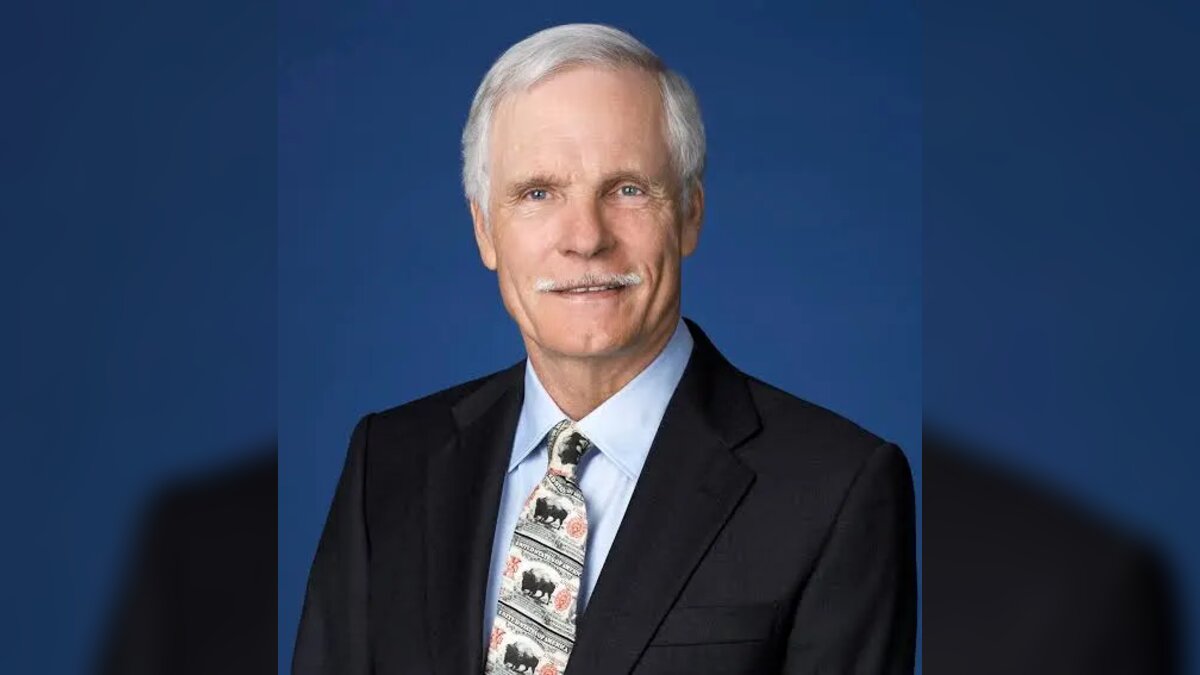
    Ted Turner, the outspoken media executive who changed how Americans watched breaking news, has died at the age of 87.

    Turner Enterprises confirmed his death Wednesday, May 6, 2026.

    Turner was best known as the founder of CNN, the first 24-hour cable news network in the United States, a bold idea that reshaped television journalism and forced the rest of the media industry to rethink how news should be delivered.

    The Man Who Bet Big on All-Day News

    When Turner launched CNN in 1980, the concept sounded almost unrealistic to many critics. At the time, most Americans got their television news from scheduled evening broadcasts, not from a channel that stayed live around the clock.

    Turner saw something different. He believed viewers would want access to news as it happened, whether it was morning, midnight, or the middle of a global crisis.

    That gamble eventually became one of the most influential moves in modern media. CNN helped make real-time coverage a normal expectation, especially during wars, disasters, elections, and major political events.

    From Superstation Visionary to Media Empire Builder

    CNN was not Turner’s first major television breakthrough. Before building the cable news giant, he helped create cable’s first “superstation,” using satellite distribution to send a local Atlanta station to viewers across the country.

    That move helped open the door for the cable TV boom. Turner later expanded his media footprint into movies, sports, and animation through networks and properties connected to TBS, TNT, Cartoon Network, and the Atlanta Braves.

    Known for his confidence and sharp tongue, Turner earned the nickname “The Mouth of the South.” He was blunt, competitive, and often unpredictable, but his instincts repeatedly pushed television into new territory.

    CNN Changed the Rhythm of News

    Turner’s biggest legacy remains CNN.

    The network’s mission was simple but revolutionary: provide live news from anywhere in the world at any time. That approach helped viewers follow major events as they unfolded instead of waiting for the next newspaper or nightly broadcast.

    By the early 1990s, CNN had become a global force. In 1991, Time magazine named Turner its Man of the Year, crediting him with changing how audiences in countries around the world witnessed history in real time.

    Life Beyond the Newsroom

    Turner’s public life stretched far beyond television.

    He was a champion yachtsman, a sports team owner, a philanthropist, and an environmental advocate. He founded the United Nations Foundation after making a historic pledge to support UN causes, and he became an outspoken voice on nuclear disarmament and global peace efforts.

    He also became one of the largest private landowners in the United States and played a major role in bison conservation. His environmental work even reached children’s television through the creation of Captain Planet, a cartoon built around ecological awareness.

    Health Struggles in Later Years

    Turner revealed in 2018 that he had been diagnosed with Lewy body dementia, a progressive brain disorder that can affect thinking, movement, mood, and behavior.

    In early 2025, he was hospitalized with a mild case of pneumonia and later recovered at a rehabilitation facility, according to reports cited in coverage of his death.

    CNN Pays Tribute to Its Founder

    CNN Worldwide Chairman and CEO Mark Thompson praised Turner’s legacy after the announcement of his death.

    Thompson described Turner as fearless, deeply involved, and willing to trust his instincts when others doubted him. He said Turner would remain the “presiding spirit” of CNN and called him the giant on whose shoulders the network stands.

    Impact and Consequences

    Turner’s death closes the chapter on one of the most disruptive careers in American media.

    His decision to launch CNN changed the expectations of audiences, politicians, journalists, and governments. News no longer had to wait for fixed broadcast times. Major events could be followed live, minute by minute, from almost anywhere in the world.

    That shift brought enormous benefits, including faster access to information during emergencies and global crises. It also helped create the modern pressure for nonstop updates, instant analysis, and continuous coverage, a media environment that still shapes politics and public opinion today.

    Turner’s influence can also be seen outside journalism. His philanthropy, conservation work, and global activism made him a major figure in environmental and humanitarian circles.

    What’s Next?

    Turner’s media legacy will continue through CNN and the broader cable news industry he helped create.

    His family, business associates, former colleagues, and philanthropic organizations are expected to continue honoring his work in media, conservation, and global advocacy.

    Turner is survived by five children, 14 grandchildren, and two great-grandchildren.

    Summary

    Ted Turner, the founder of CNN and one of the most important figures in cable television history, has died at 87.

    His launch of CNN in 1980 created the first 24-hour cable news network in the United States and permanently changed how people followed breaking news.

    Beyond television, Turner was also known for sports ownership, yachting, philanthropy, environmental activism, bison conservation, and his support for global causes.

    He had disclosed a Lewy body dementia diagnosis in 2018 and remained widely recognized as one of the most influential media pioneers of the modern era.

    Bulleted Takeaways: Ted Turner, CNN Founder and Media Pioneer, Dies at 87

    • Ted Turner died Wednesday, May 6, 2026, at age 87.
    • Turner Enterprises confirmed his death.
    • Turner founded CNN in 1980.
    • CNN became the first 24-hour cable news network in the United States.
    • His around-the-clock news model changed television journalism.
    • He was known for his blunt personality and nickname, “The Mouth of the South.”
    • Before CNN, Turner helped develop cable’s first superstation.
    • His media empire included major interests in cable programming, movies, animation, and sports.
    • Turner owned the Atlanta Braves and was also known as a competitive yachtsman.
    • Time magazine named him Man of the Year in 1991.
    • Turner founded the United Nations Foundation and supported nuclear disarmament efforts.
    • He became a major conservationist and helped restore bison populations.
    • Turner disclosed in 2018 that he had Lewy body dementia.
    • CNN leaders praised him as a fearless media visionary.
    • He is survived by five children, 14 grandchildren, and two great-grandchildren.
  • San Marcos Man Gets 26 Years to Life After Jury Finds He Stabbed Disabled Girlfriend to Death Behind Business After Christmas

    San Marcos Man Gets 26 Years to Life After Jury Finds He Stabbed Disabled Girlfriend to Death Behind Business After Christmas

    A San Diego County man has been sentenced to 26 years to life in prison for stabbing his girlfriend to death in San Marcos the day after Christmas in 2023.

    Ziyah Patterson, 31, was sentenced after a jury found him guilty of first-degree murder in February.

    Prosecutors said Patterson killed Angela Lanway, a 42-year-old woman who was unhoused, disabled, and living with him behind a business at the time of the attack.

    Argument Over Music Turned Deadly

    According to prosecutors, Patterson and Lanway were staying behind a San Marcos business when an argument began over loud music.

    Lanway reportedly asked Patterson to turn the music down. Patterson became angry and then demanded that she return a gift he had given her. When Lanway threw the gift at him, Patterson attacked her.

    Prosecutors said he first beat Lanway. Then, after saying the beating was not enough, he pulled out a knife and stabbed her.

    Victim Was Stabbed in the Ear and Neck

    The attack on Lanway was especially brutal. Prosecutors said Patterson stabbed her in the ear and neck, severing an artery and breaking a bone in her spine.

    Lanway was already physically vulnerable before the stabbing. She had hip dysplasia, could not walk without help, and was blind in one eye.

    District Attorney Summer Stephan said the case showed how dangerous domestic violence can become when victims are already living in vulnerable conditions, including homelessness.

    Patterson Waited Before Calling 911

    After the stabbing, prosecutors said Patterson did not immediately help Lanway.

    Instead, he waited more than 10 minutes before calling 911. By then, Lanway had suffered fatal injuries.

    At trial, Patterson claimed he acted in self-defense. He also testified that he was the victim of domestic violence. Prosecutors said there was no evidence to support that claim, and Patterson had no injuries.

    Prosecutor Says Victim Deserved Justice

    San Diego County District Attorney Summer Stephan said Lanway’s life mattered and that the justice system held Patterson accountable.

    She described the killing as a devastating and senseless loss of life, adding that domestic violence can become even more dangerous when people are living without stable housing or support.

    The case was prosecuted by Deputy District Attorney Nicolette Estrada.

    Domestic Violence Deaths in San Diego County

    The District Attorney’s Office also pointed to broader domestic violence homicide numbers in the county.

    In 2024, seven people were killed by a current or former intimate partner. One additional person, such as a family member, new partner, or bystander, was also killed during a domestic violence-related incident.

    That was an increase from five domestic violence-related homicides the year before. However, officials said these killings remain below the average seen across the previous two decades. Figures for 2025 are expected to be released later.

    Impact and Consequences

    The sentence means Patterson will likely spend decades in prison for Lanway’s killing.

    For Lanway’s loved ones and the broader community, the case highlights the extreme danger faced by victims of domestic violence, especially those who are unhoused or living with disabilities.

    The killing also underscores how quickly domestic disputes can escalate when anger, control, and violence are involved. Prosecutors made clear that Lanway’s vulnerable living situation did not make her life any less valuable or her death any less deserving of accountability.

    What’s Next?

    Patterson has now been sentenced to 26 years to life in prison following his first-degree murder conviction.

    The District Attorney’s Office will continue tracking domestic violence-related homicides in San Diego County. Updated figures for 2025 are not expected for several months.

    Summary

    Ziyah Patterson, 31, has been sentenced to 26 years to life in prison for the murder of his girlfriend, 42-year-old Angela Lanway, in San Marcos.

    Prosecutors said the couple was unhoused and living behind a business when Patterson became upset during an argument over music, beat Lanway, and then stabbed her in the ear and neck.

    Lanway was disabled and especially vulnerable. Patterson claimed self-defense at trial, but prosecutors said the evidence did not support his claim.

    A jury convicted him of first-degree murder in February.

    Bulleted Takeaways: Man Who Stabbed Girlfriend to Death the Day After Christmas, Sentenced to Prison

    • Ziyah Patterson, 31, was sentenced to 26 years to life in prison.
    • Patterson was convicted of first-degree murder in February.
    • The victim was Angela Lanway, a 42-year-old woman.
    • The killing happened in San Marcos in December 2023.
    • Patterson and Lanway were unhoused and living behind a business.
    • Prosecutors said the argument began after Lanway asked Patterson to turn down his music.
    • Patterson beat Lanway before stabbing her with a knife.
    • Lanway was stabbed in the ear and neck.
    • The stabbing severed an artery and broke a bone in her spine.
    • Patterson waited more than 10 minutes before calling 911.
    • He claimed self-defense at trial, but prosecutors said there was no evidence supporting that claim.
    • Lanway had hip dysplasia, needed help walking, and could not see out of one eye.
    • Deputy District Attorney Nicolette Estrada prosecuted the case.
    • San Diego County officials said domestic violence-related homicides increased in 2024 compared with the prior year.
  • U.S. Air Force Sends F-22 Raptors to Japan as Washington Strengthens Indo-Pacific Airpower and Warns Rivals From Kadena Air Base

    U.S. Air Force Sends F-22 Raptors to Japan as Washington Strengthens Indo-Pacific Airpower and Warns Rivals From Kadena Air Base

    U.S. Air Force F-22 Raptors have arrived at Kadena Air Base in Japan, marking the latest fighter rotation meant to strengthen American airpower across the Indo-Pacific.

    The aircraft are assigned to the 90th Fighter Squadron from Joint Base Elmendorf-Richardson, Alaska, and the 27th Fighter Squadron from Joint Base Langley-Eustis, Virginia.

    Their deployment adds another layer of advanced fighter capability to one of the most strategically important U.S. air bases in the region.

    Kadena Remains a Key Hub for Regional Air Operations

    Kadena Air Base, often called the “Keystone of the Pacific,” plays a central role in U.S. air operations in the Indo-Pacific. While deployed there, the F-22s will operate alongside a wider mix of aircraft already tied to the Air Force’s 18th Wing.

    That includes heavy aircraft, reconnaissance platforms, and both fourth- and fifth-generation fighters. Together, the rotation is designed to keep a steady and credible U.S. fighter presence in the region.

    Why the F-22 Matters

    The F-22 Raptor is the Air Force’s premier fifth-generation air superiority fighter. It combines stealth, advanced sensors, speed, maneuverability, and long-range detection capability.

    Its role is to dominate contested airspace.

    The aircraft can detect and track threats at extended ranges while remaining difficult for adversaries to detect. That makes it especially valuable in a region where air superiority, deterrence, and rapid response are major priorities.

    Crews Will Train With U.S., Joint, and Allied Partners

    During the deployment, F-22 pilots and maintainers will work directly with Kadena’s operations and maintenance groups.

    They will also integrate with joint and allied partners to sharpen tactics, improve interoperability, and maintain readiness for real-world contingencies.

    The goal is not simply to park advanced jets in Japan, but to ensure crews and support teams can operate together under pressure.

    Deployment Reinforces U.S.-Japan Security Commitment

    The fighter rotation also sends a broader diplomatic and military message. By placing advanced aircraft at Kadena, the United States is reinforcing its commitment to defend Japan under the U.S.-Japan security alliance.

    The deployment also supports Washington’s wider goal of maintaining what it describes as a free and open Indo-Pacific, especially as regional tensions and military competition remain high.

    Noise Concerns Remain Part of the Deployment

    The Air Force said the 18th Wing will continue to follow applicable bilateral agreements with the Japanese government, including procedures related to noise abatement.

    Visiting aircrews are briefed on local noise-control rules, while mission planners are expected to consider ways to limit the impact of flight operations on surrounding communities.

    Fighter Rotations Help Bridge Toward Future Modernization

    The F-22 deployment is part of a broader War Department priority to modernize airpower in the Indo-Pacific.

    Rotating fighters through Kadena helps maintain today’s operational presence while preparing the base for future capabilities, including the planned arrival of the F-15EX Eagle II. That transition is part of the long-term effort to keep U.S. airpower strong and adaptable in the region.

    Impact and Consequences

    The arrival of F-22s strengthens U.S. deterrence in the Indo-Pacific by placing highly advanced air superiority fighters closer to potential flashpoints. Their presence gives commanders more options for training, rapid response, and joint operations with allies.

    For Japan, the deployment reinforces the U.S. defense commitment but may also bring local concerns around noise and base activity. That is why the Air Force is emphasizing noise-abatement procedures and coordination with Japanese authorities.

    For the wider region, the rotation signals that the U.S. intends to keep a persistent and capable airpower presence in the Indo-Pacific, even as it prepares for future modernization.

    What’s next?

    The F-22 crews and maintainers will continue integrating with the 18th Wing and partner forces during the deployment.

    Training will likely focus on readiness, tactics, interoperability, and maintenance operations in a forward-deployed environment. Over time, Kadena will also continue preparing for future aircraft transitions, including the eventual arrival of the F-15EX Eagle II.

    Summary

    F-22 Raptors from Alaska and Virginia have arrived at Kadena Air Base in Japan as part of a new fighter rotation supporting Indo-Pacific operations.

    The aircraft will work with the 18th Wing, joint forces, and allied partners to strengthen readiness and maintain a credible U.S. fighter presence.

    The deployment supports the U.S.-Japan alliance, reinforces regional deterrence, and helps bridge current operations with future airpower modernization.

    Bulleted Takeaways:

    • U.S. Air Force F-22 Raptors have arrived at Kadena Air Base, Japan.
    • The jets are assigned to the 90th Fighter Squadron and 27th Fighter Squadron.
    • The rotation supports U.S. operations across the Indo-Pacific.
    • Kadena Air Base is known as the “Keystone of the Pacific.”
    • The F-22s will operate alongside aircraft assigned to the 18th Wing.
    • The F-22 is a fifth-generation air superiority fighter.
    • Its strengths include stealth, advanced sensors, maneuverability, and long-range detection.
    • Aircrews and maintainers will train with U.S., joint, and allied partners.
    • The deployment supports the U.S.-Japan security alliance.
    • The Air Force says it will follow noise-abatement procedures under agreements with Japan.
    • Fighter rotations help maintain a continuous U.S. airpower presence in the region.
    • Kadena is also preparing for the future arrival of the F-15EX Eagle II.
  • Secret Service Adds Michael Rice to Wall of Honor in Washington After 9/11 Recovery Work Leads to Fatal Cancer Years Later

    Secret Service Adds Michael Rice to Wall of Honor in Washington After 9/11 Recovery Work Leads to Fatal Cancer Years Later

    The U.S. Secret Service will add former Special Agent in Charge Michael Rice to its Wall of Honor on May 8, 2026, recognizing his service, leadership, patriotism, and quiet professionalism.

    Rice, who led the agency’s Nashville Field Office, died on January 11, 2019, from cancer linked to his work in the aftermath of the September 11 attacks.

    9/11 Recovery Work Led to Long-Term Illness

    After the attacks, Rice joined recovery efforts at the Fresh Kills landfill site in New York, where debris from the World Trade Center was taken for examination.

    He helped sift through the wreckage in search of remains and materials connected to the Secret Service’s New York Field Office, which was destroyed during the attacks. Years later, his cancer was linked to that recovery work.

    Rice Becomes the 41st Name Added to the Wall

    The Secret Service’s Wall of Honor remembers employees who died in the line of duty. Rice will become the 41st Secret Service employee added to it.

    His name will also be inscribed on the National Law Enforcement Officers Memorial in Washington, D.C., placing him among other law enforcement personnel recognized for service-related sacrifice.

    Family Remembers Him as Brave and Selfless

    Rice’s wife, Patsy Rice, said her husband never hesitated when help was needed after 9/11. She recalled that he immediately traveled to assist in the recovery effort.

    She described him as the bravest man she had ever met, someone who would step forward whenever others were in trouble. To her, courage and service were not simply part of his career — they were part of who he was.

    From Vietnam Veteran to Secret Service Leader

    Rice was born on July 30, 1951, in Jacksonville, Alabama, and later graduated from Jacksonville State University.

    Before joining the Secret Service, he served in combat during the Vietnam War with the 101st Airborne Division. He became a special agent in 1976, beginning his Secret Service career at the Jackson, Mississippi, Resident Office.

    A Career Spanning Multiple Major Assignments

    Rice’s Secret Service career took him through several important postings. He served in the San Juan Resident Office, the Western Protective Division, the Tampa Field Office, the Intelligence Division, the Vice-Presidential Protective Division, and ultimately the Nashville Field Office.

    The Western Protective Division included responsibility for protection at President Ronald Reagan’s California ranch. Rice retired from the agency on January 12, 2002.

    Colleagues Praise His Calm Leadership

    Those who worked with Rice remembered him as soft-spoken, steady, and deeply respected.

    Retired Special Agent in Charge Ralph Gonzales, who worked with Rice in San Juan, said the two were like brothers. He described Rice as calm, professional, authoritative, and someone he wanted to emulate.

    Nashville Team Saw Him as a Mentor

    Sarah Beth Pulliam, who served as assistant special agent in charge under Rice in Nashville and later succeeded him, said he was trusted because of his competence, work ethic, and respect for the mission and personnel.

    She said Rice could hold people accountable without alienating them and genuinely cared about the people who worked for him. According to Pulliam, many agents who began in Nashville later became successful agency leaders in part because of Rice’s commitment to developing them.

    Former Agents Remember His Integrity

    Retired Special Agent Carol Marks said Rice taught her the fundamentals of protection work during Michael Dukakis’ 1988 presidential campaign, where Rice served as her shift leader.

    She remembered him as fair, patient, unbiased, and deeply principled. Another retired agent, Bruce Bowen, who shared a bond with Rice as a fellow Vietnam veteran, said Rice would never ask others to do something he would not do himself.

    Impact and Consequences

    Rice’s addition to the Wall of Honor formally recognizes the long-term sacrifices made by law enforcement officers and federal personnel who responded after 9/11. His death years later shows how the consequences of that day continued far beyond the immediate attack and recovery period.

    For the Secret Service, the honor also preserves the memory of a leader who influenced generations of agents. His legacy is not only tied to one mission, but to decades of service, mentorship, and example-setting across multiple field offices and protective assignments.

    What’s next?

    The Secret Service will formally add Rice’s name to the Wall of Honor on May 8, 2026.

    His name will also be placed on the National Law Enforcement Officers Memorial in Washington, D.C. The ceremony is expected to honor his career, his 9/11 recovery service, and the impact he had on colleagues, family, and the wider agency.

    Summary

    Former Secret Service Special Agent in Charge Michael Rice will be added to the agency’s Wall of Honor after his death from cancer linked to 9/11 recovery work.

    Rice served in Vietnam before joining the Secret Service in 1976 and went on to hold major assignments in Mississippi, San Juan, California, Tampa, Washington, and Nashville.

    Colleagues remembered him as calm, brave, professional, and deeply committed to developing others. His recognition on May 8, 2026, will make him the 41st Secret Service employee honored on the wall.

    Bulleted Takeaways:

    • The U.S. Secret Service will honor Michael Rice on May 8, 2026.
    • Rice will be added to the agency’s Wall of Honor.
    • He will be the 41st Secret Service employee listed on the wall.
    • Rice died on January 11, 2019, from cancer linked to 9/11 recovery work.
    • He worked at the Fresh Kills landfill site after the September 11 attacks.
    • He helped search debris connected to the destroyed Secret Service New York Field Office.
    • Rice also will be inscribed on the National Law Enforcement Officers Memorial.
    • He was born in Jacksonville, Alabama, on July 30, 1951.
    • He served in combat in Vietnam with the 101st Airborne Division.
    • He joined the Secret Service as a special agent in 1976.
    • His assignments included Jackson, San Juan, Tampa, the Intelligence Division, the Vice-Presidential Protective Division, and Nashville.
    • He retired from the Nashville Field Office on January 12, 2002.
    • Family and colleagues remembered him as brave, calm, professional, humble, and deeply respected.
  • Zelenskyy Pushes Ukraine Into the Gulf Security Fight as Bahrain Talks Open the Door to a Controversial Drone Deal in Manama

    Zelenskyy Pushes Ukraine Into the Gulf Security Fight as Bahrain Talks Open the Door to a Controversial Drone Deal in Manama

    Ukrainian President Volodymyr Zelenskyy says he held a productive meeting with King Hamad bin Isa Al Khalifa of Bahrain, with discussions focused on security challenges in the Middle East, the Gulf region, and the wider international environment.

    The talks covered several sensitive issues, including Iranian strikes against Bahrain and other countries, as well as the situation around the Strait of Hormuz, one of the world’s most important maritime corridors.

    Middle East and Gulf Security Dominate the Meeting

    Zelenskyy said the two leaders reviewed the security situation across the region and discussed both current threats and possible areas of cooperation.

    The mention of the Strait of Hormuz is especially significant because of its importance to global shipping and energy flows. Any instability there can quickly affect not only Gulf states, but also international markets and wider geopolitical security.

    Ukraine Offers Defense Experience to Bahrain

    Zelenskyy connected Bahrain’s security concerns with Ukraine’s own wartime experience. He said Ukraine faces similar types of daily attacks and has built practical knowledge from years of full-scale defense against Russia.

    Because of that experience, he said Ukraine is ready to share security expertise with Bahrain, especially in ways that could help protect civilians and strengthen national defense.

    Drone Deal Proposed Between Ukraine and Bahrain

    One of the key proposals from the meeting was a possible Drone Deal between Ukraine and Bahrain.

    Zelenskyy said he proposed scaling up cooperation in this area, and both sides agreed that their teams would work out the details.

    The proposal suggests Ukraine wants to expand its defense partnerships beyond Europe and deepen security cooperation with Gulf countries.

    Given Ukraine’s battlefield use of drones for surveillance, defense, strikes, and logistics, Kyiv may see drone cooperation as one of its strongest exportable areas of wartime expertise.

    Economic and Agricultural Cooperation Also Discussed

    The meeting was not limited to defense. Zelenskyy said he and King Hamad also paid close attention to expanding bilateral economic ties.

    Agricultural production was specifically mentioned as a priority area. That could open the door for cooperation in food security, agricultural technology, supply chains, or trade, especially as Ukraine remains one of the world’s important agricultural producers despite the war.

    Zelenskyy Briefs Bahrain on Ukraine’s Peace Efforts

    Zelenskyy also said he informed the Bahraini king about the current situation in Ukraine and Kyiv’s diplomatic efforts to achieve what he called a just peace.

    That part of the meeting reflects Ukraine’s broader campaign to keep international partners informed and engaged, including countries outside its traditional European support base.

    Embassy Openings Raised During Talks

    The two leaders also discussed the possibility of mutually opening embassies in each other’s countries.

    That would be a major diplomatic step, signaling a more formal and active relationship between Ukraine and Bahrain. Zelenskyy said cooperation between the two countries has major potential across many areas and should be fully developed.

    Impact and Consequences

    The meeting could mark an important step in Ukraine’s effort to deepen ties with the Gulf region. By offering defense expertise and proposing a Drone Deal, Kyiv is positioning itself not only as a country seeking help, but also as a partner with valuable wartime knowledge to share.

    For Bahrain, closer cooperation with Ukraine could bring access to battlefield-tested defense lessons, especially around drones and protection against aerial threats. Economically, agricultural cooperation could also support food security and trade links.

    Diplomatically, mutual embassies would give both countries a stronger platform for long-term cooperation. If the proposal moves forward, it could turn a single high-level meeting into a broader bilateral partnership.

    What’s next?

    The next step will be for Ukrainian and Bahraini teams to work through the details of the proposed Drone Deal and wider security cooperation.

    Both sides may also begin exploring practical steps toward stronger economic ties, especially in agriculture. The embassy issue could become another major marker to watch, since formal diplomatic expansion would show that the relationship is moving from conversation to implementation.

    Summary

    Zelenskyy says he had a productive meeting with Bahrain’s King Hamad bin Isa Al Khalifa, discussing Gulf security, Iranian strikes, the Strait of Hormuz, and Ukraine’s readiness to share defense expertise.

    He proposed a Drone Deal and expanded cooperation with Bahrain, while also raising economic partnership, agricultural production, Ukraine’s peace efforts, and the possible opening of embassies in both countries.

    Bulleted Takeaways:

    • Zelenskyy met with King Hamad bin Isa Al Khalifa of Bahrain.
    • The discussion focused on Middle East and Gulf security.
    • The leaders talked about Iranian strikes against Bahrain and other countries.
    • The situation around the Strait of Hormuz was also discussed.
    • Zelenskyy said Ukraine faces similar daily attacks and has full-scale defense experience.
    • Ukraine offered to share security expertise with Bahrain.
    • Zelenskyy proposed a Drone Deal between Ukraine and Bahrain.
    • Both sides agreed their teams would work out the details.
    • Economic cooperation was discussed.
    • Agricultural production was identified as a key partnership area.
    • Zelenskyy briefed Bahrain on the war in Ukraine and efforts toward a just peace.
    • The two sides raised the issue of opening embassies in each other’s countries.
  • Russia Hammers Ukraine’s Power Grid Overnight as Fatal Strikes Kill Emergency Workers and Leave Thousands Without Electricity in Pavlohrad

    Russia Hammers Ukraine’s Power Grid Overnight as Fatal Strikes Kill Emergency Workers and Leave Thousands Without Electricity in Pavlohrad

    Ukrainian President Volodymyr Zelenskyy says Russia launched another overnight wave of attacks targeting Ukraine’s energy infrastructure, with the Poltava region among the hardest hit.

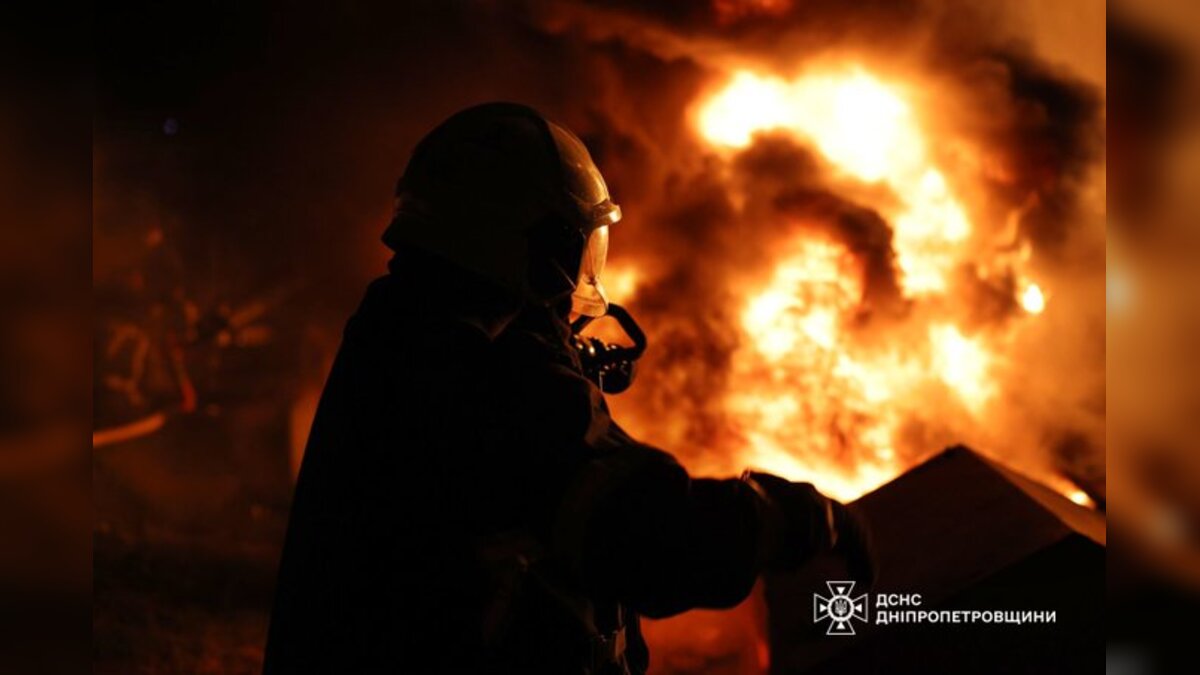
    According to Zelenskyy, Russian forces first attacked energy facilities, then struck again with a missile after emergency workers had already arrived to battle the fire.

    He described the second strike as especially cruel because rescuers were already on the scene trying to contain the damage.

    Four Killed in Poltava Region, Including Two Emergency Workers

    Zelenskyy said four people were killed in the Poltava region attack, including two State Emergency Service workers.

    He identified the fallen first responders as Hero of Ukraine Viktor Kuzmenko and Dmytro Skryl.

    Kuzmenko had reportedly responded to the aftermath of shelling more than 50 times, while Skryl had served in the State Emergency Service for more than 20 years.

    Zelenskyy offered condolences to their families and loved ones, calling attention to the risks emergency crews face when responding to Russian strikes.

    Dozens Injured After Energy Site Attack

    The Poltava strike also left dozens of people injured, according to the Ukrainian president.

    The attack adds to a pattern Ukraine has repeatedly condemned: strikes on energy infrastructure followed by danger to repair crews, firefighters, medics, and rescue teams. These workers often arrive quickly after the first impact, making them vulnerable if another strike follows.

    Kharkiv, Dnipro, Zaporizhzhia, and Kyiv Regions Also Hit

    The overnight attacks were not limited to Poltava. Zelenskyy said Russia also struck the Kharkiv region, where four people were injured and one person was killed.

    In the Dnipro region, critical infrastructure was attacked and three people were injured. In Pavlohrad, power lines were damaged, leaving thousands of families without electricity.

    There were also strikes on Zaporizhzhia and the Kyiv region, where three people were injured.

    Energy Infrastructure Was the Main Target

    Zelenskyy said Russia’s main targets overnight were energy infrastructure facilities.

    That focus is significant because attacks on power systems can create widespread disruption even beyond the immediate blast area.

    Damaged electricity lines and energy sites can affect homes, hospitals, water systems, businesses, and public services.

    For ordinary families, the consequence can be sudden blackouts, damaged heating or cooling systems, interrupted communications, and added fear during an already exhausting war.

    Zelenskyy Accuses Russia of Cynicism Over Ceasefire Talk

    The Ukrainian president sharply criticized Russia for asking for a ceasefire linked to what he called propaganda celebrations while continuing missile and drone strikes every day before it.

    Zelenskyy said Russia could stop firing at any moment, and that doing so would stop both the war and Ukraine’s responses. He argued that peace requires real steps, not public messaging while attacks continue.

    Ukraine Says It Will Respond in Kind

    Zelenskyy ended his statement by saying Ukraine will “act in kind,” signaling that Kyiv intends to match Russia’s actions with its own response.

    The message was both a warning and a political statement: Ukraine says it wants peace, but it will not treat ceasefire language as serious while Russian attacks on civilians, rescuers, and infrastructure continue.

    Impact and Consequences

    The immediate impact is deadly and deeply personal. Five people were reported killed across the Poltava and Kharkiv regions, including two emergency workers who were responding to the aftermath of an attack.

    Dozens more were injured, and thousands of families in Pavlohrad were left without electricity after power lines were damaged.

    The broader consequence is another blow to Ukraine’s energy resilience. Repeated strikes on critical infrastructure force emergency repairs, strain the power grid, and increase pressure on local authorities before every new round of attacks.

    The killing of first responders may also intensify anger in Ukraine and increase calls for stronger air defense support from international partners.

    Emergency workers are essential to saving lives after strikes, and attacks that hit them while they are responding can deepen public outrage and strengthen Kyiv’s argument that Russia is not acting in good faith.

    What’s next?

    Emergency crews will continue responding to damaged infrastructure, restoring electricity where possible, and assisting the injured. In Pavlohrad, repair teams will likely focus on restoring power to families affected by damaged lines.

    Diplomatically, Ukraine is expected to keep pushing the message that Russia’s ceasefire language cannot be trusted unless attacks actually stop. Kyiv may also renew appeals for more air defense systems to protect energy infrastructure, cities, and rescue workers.

    The next key question is whether Russia continues targeting power facilities and whether Ukraine responds with deeper strikes of its own.

    Summary

    Zelenskyy says Russia launched overnight attacks mainly targeting Ukraine’s energy infrastructure, with deadly strikes reported in the Poltava and Kharkiv regions.

    In Poltava, four people were killed, including two emergency workers who were responding to the scene after an earlier strike.

    Kharkiv saw one fatality and four injuries, while Dnipro, Zaporizhzhia, and Kyiv regions also reported damage and casualties.

    Zelenskyy accused Russia of hypocrisy for discussing a ceasefire while continuing daily missile and drone attacks, saying Ukraine will respond in kind.

    Bulleted Takeaways:

    • Russia attacked energy infrastructure in the Poltava region overnight.
    • Zelenskyy said a second missile strike hit after emergency workers were already at the scene.
    • Four people were killed in Poltava, including two first responders.
    • The killed emergency workers were identified as Viktor Kuzmenko and Dmytro Skryl.
    • Kuzmenko had responded to shelling aftermath more than 50 times.
    • Skryl had served in the State Emergency Service for more than 20 years.
    • Dozens of people were reported injured in the Poltava attack.
    • Russia also struck the Kharkiv region, killing one person and injuring four.
    • Critical infrastructure was hit in the Dnipro region, injuring three people.
    • In Pavlohrad, damaged power lines left thousands of families without electricity.
    • Strikes were also reported in Zaporizhzhia and the Kyiv region.
    • Three people were injured in the Kyiv region.
    • Zelenskyy said Russia’s main overnight targets were energy infrastructure facilities.
    • He accused Russia of cynicism for discussing a ceasefire while continuing daily strikes.
    • Ukraine says peace requires real steps and that it will respond in kind.
  • Britney Spears Pleads Guilty in Ventura County as DUI Case Turns Into Reckless Driving Conviction Involving Alcohol and Drugs

    Britney Spears Pleads Guilty in Ventura County as DUI Case Turns Into Reckless Driving Conviction Involving Alcohol and Drugs

    Britney Spears has resolved a misdemeanor DUI case in Ventura County after pleading guilty to reckless driving involving alcohol and an impairing drug. The plea was entered on May 4, 2026, during her first court appearance in Ventura County Superior Court.

    Her attorney appeared in court on her behalf and entered the guilty plea.

    Original Charge Was DUI Involving Alcohol and Drugs

    Prosecutors initially filed one misdemeanor count accusing Spears of driving under the influence of alcohol and drugs.

    At arraignment, however, the case was resolved through a plea to the lesser offense of reckless driving involving alcohol and an impairing drug.

    The Ventura County District Attorney’s Office said the outcome was consistent with standard practice in cases where a defendant has no prior DUI history, a low blood alcohol level, and where there was no crash or injury.

    District Attorney Says Spears Took Responsibility Early

    Ventura County District Attorney Erik Nasarenko said Spears accepted responsibility by entering a guilty plea at the earliest stage of the case, about two months after her arrest.

    Nasarenko also emphasized that driving while impaired, especially in a reckless or erratic manner, remains a serious offense because of the danger it creates for others on roads and freeways.

    Probation and DUI Program Ordered

    Under the terms of the plea, Spears was placed on 12 months of summary probation. She was also awarded credit for time served and must pay state-mandated fines and fees.

    She is required to complete a three-month, 30-hour first-offender DUI program. That program is commonly used in misdemeanor impaired-driving cases involving first-time offenders.

    Additional Conditions Focus on Alcohol, Drugs, and Treatment

    The plea also includes several driving-related conditions. Spears must submit to chemical testing for alcohol or drugs while driving, cannot operate a vehicle with any intoxicant in her system, and must agree to vehicle search terms related to alcohol or drugs.

    She is also required to continue substance abuse and mental health treatment.

    Prosecutors Say Rehabilitation Is Part of the Goal

    Nasarenko said the aim of the court’s conditions is not only punishment, but also long-term behavioral change through treatment and rehabilitation.

    He said the court has now put those conditions in place, leaving it to Spears to follow them.

    Impact and Consequences

    The plea allows Spears to avoid continuing litigation over the original DUI charge, while still leaving her with a criminal conviction tied to reckless driving involving alcohol and drugs.

    The probation terms also place clear restrictions on her driving and require continued treatment.

    For prosecutors, the resolution fits within the standard approach they described for first-time DUI-related cases with no injury, no collision, and a low blood alcohol level.

    For Spears, the next year will require compliance with probation, treatment, testing rules, and court-ordered programs.

    The case also keeps public attention on impaired driving, especially when involving a high-profile celebrity. Officials used the announcement to stress that impaired driving remains dangerous even when no crash occurs.

    What’s next?

    Spears must now complete her probation terms, pay required fines and fees, and finish the first-offender DUI program. She must also continue substance abuse and mental health treatment as ordered.

    If she complies with the court’s conditions, the case should move forward without further major court action. Any violation of probation terms, however, could bring additional legal consequences.

    Summary

    Britney Spears has pleaded guilty in Ventura County Superior Court to reckless driving involving alcohol and an impairing drug, resolving a misdemeanor DUI case at her first court appearance.

    Prosecutors said the original charge was driving under the influence of alcohol and drugs, but the case was settled under terms they described as consistent with first-time DUI-related cases involving no injury, no collision, and a low blood alcohol level.

    Spears received 12 months of summary probation, must complete a first-offender DUI program, pay fines and fees, follow testing and driving restrictions, and continue treatment.

    Bulleted Takeaways:

    • Britney Spears resolved her Ventura County DUI case on May 4, 2026.
    • Her attorney appeared in court and entered the guilty plea on her behalf.
    • Prosecutors originally charged one misdemeanor count of driving under the influence of alcohol and drugs.
    • The case was resolved with a plea to reckless driving involving alcohol and an impairing drug.
    • Prosecutors said the resolution matched standard practice for defendants with no prior DUI history.
    • The DA’s office also cited a low blood alcohol level and no collision or injuries.
    • Spears was placed on 12 months of summary probation.
    • She must complete a three-month, 30-hour first-offender DUI program.
    • She must pay state-mandated fines and fees.
    • She must submit to chemical testing while driving.
    • She cannot drive with any intoxicant in her system.
    • She must comply with vehicle search terms related to alcohol or drugs.
    • She is required to continue substance abuse and mental health treatment.
    • District Attorney Erik Nasarenko said the court’s goal includes accountability, treatment, and rehabilitation.
  • Ukraine Strikes Deep Inside Russia as Zelenskyy Says F-5 Flamingo Missiles Hit Military-Industrial Facilities in Cheboksary

    Ukraine Strikes Deep Inside Russia as Zelenskyy Says F-5 Flamingo Missiles Hit Military-Industrial Facilities in Cheboksary

    Ukrainian President Volodymyr Zelenskyy says Ukraine carried out another long-range strike against Russian military targets, describing the operation as a justified response to Moscow’s continued attacks on Ukrainian cities and infrastructure.

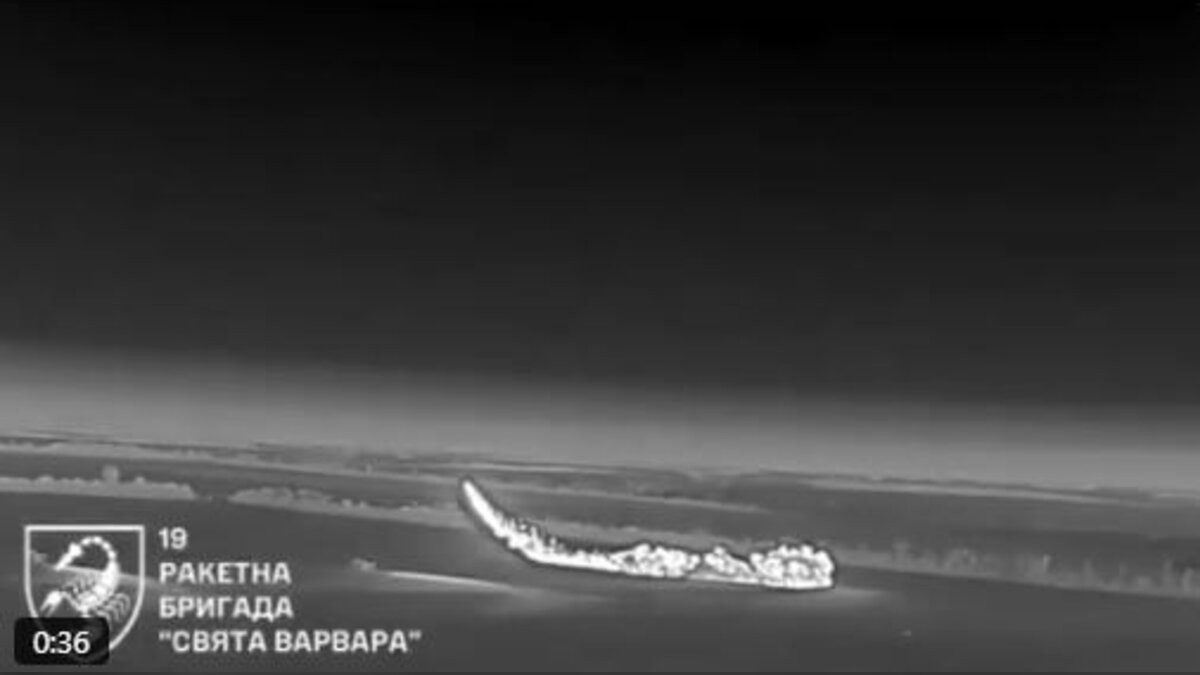
    According to Zelenskyy, Ukrainian forces launched F-5 Flamingo cruise missiles overnight as part of the Armed Forces’ Deep Strike operation.

    Strike Reached More Than 1,500 Kilometers

    Zelenskyy said the Ukrainian-made Flamingo missiles traveled more than 1,500 kilometers before hitting enemy targets.

    That distance is significant because it shows Ukraine’s growing ability to strike far beyond the front line and reach facilities deep inside Russian territory. Kyiv has increasingly framed these long-range operations as a way to weaken the systems and industries that support Russia’s war effort.

    Cheboksary Facility Among the Targets

    One of the targets mentioned by Zelenskyy was a military-industrial facility in Cheboksary, a city in Russia.

    He said the facility produced relay protection systems, automation systems, and low-voltage equipment. While those may sound like technical industrial products, Ukraine says the plant had direct military value because it supplied components used by Russian defense sectors.

    Ukraine Says Plant Supported Russian Navy, Missiles, Aviation, and Armored Vehicles

    According to Zelenskyy, the targeted facility supplied navigation components for several branches of Russia’s war machine, including the Russian Navy, the missile industry, aviation, and armored vehicles.

    He argued that these systems are part of what Russia uses in its war against Ukraine, making them legitimate targets for long-range Ukrainian strikes.

    Kyiv Calls Strikes “Long-Range Sanctions”

    Zelenskyy described Ukraine’s long-range attacks as a form of “sanctions” against Russia. The phrase suggests that Kyiv sees military strikes on Russian production facilities as another way to punish and restrict Moscow’s ability to continue the war.

    Unlike economic sanctions imposed by foreign governments, these “long-range sanctions” are carried out by Ukraine’s own forces using weapons capable of reaching Russian industrial and military targets.

    Zelenskyy Urges Russia to Choose Diplomacy

    After announcing the strike, Zelenskyy again called on Russia to end the war and move toward real diplomacy.

    He said Ukraine has already made its proposal clear, while maintaining that Russia must stop its aggression. His message combined military pressure with a political demand: Moscow should end the war rather than continue absorbing damage to its military-industrial base.

    Impact and Consequences

    The strike, if successful, could affect Russia’s ability to produce or supply components used in military systems. Facilities that support navigation, automation, missiles, aviation, naval systems, and armored vehicles are important because they help keep complex weapons and platforms functioning.

    The broader consequence is strategic. Ukraine is signaling that Russian factories supporting the war are no longer safe simply because they are far from the battlefield. Long-range strikes can force Russia to spend more resources on air defense, repairs, relocation, and protection of industrial sites.

    Politically, the operation also strengthens Kyiv’s message that Russia will face consequences for continued attacks on Ukraine. Zelenskyy is presenting these strikes as a direct answer to Russian bombardment, not as isolated military actions.

    What’s next?

    Ukraine is likely to continue targeting facilities it believes support Russia’s military-industrial complex. If the Flamingo missiles performed as described, Kyiv may place even more emphasis on long-range domestic strike capabilities.

    Russia may respond by increasing air defense around industrial sites, dispersing production, or launching retaliatory attacks against Ukrainian cities and infrastructure. Diplomatic pressure may also rise as Ukraine keeps arguing that the fastest way to stop these strikes is for Russia to end the war.

    Summary

    Zelenskyy says Ukrainian forces launched F-5 Flamingo cruise missiles overnight in a long-range Deep Strike operation against Russian targets, including military-industrial facilities in Cheboksary. The missiles reportedly traveled more than 1,500 kilometers. Ukraine says the targeted plant produced equipment and supplied navigation components for Russia’s navy, missile industry, aviation, and armored vehicles. Zelenskyy framed the operation as a justified response to Russian attacks and again urged Moscow to end the war through real diplomacy.

    Bulleted Takeaways:

    • Zelenskyy said Ukraine carried out a long-range strike overnight.
    • The operation used F-5 Flamingo cruise missiles.
    • The missiles were launched as part of Ukraine’s Deep Strike operation.
    • Ukrainian Flamingo missiles reportedly traveled more than 1,500 kilometers.
    • Targets included military-industrial facilities in Cheboksary, Russia.
    • The targeted facility produced relay protection systems, automation systems, and low-voltage equipment.
    • Ukraine says the plant supplied navigation components for Russia’s navy, missile industry, aviation, and armored vehicles.
    • Zelenskyy described the strikes as a just response to Russian attacks.
    • Kyiv is framing long-range strikes as a way to weaken Russia’s war production.
    • Zelenskyy again called on Russia to end the war and turn to real diplomacy.