Category: Breaking

  • IDF Eliminates Hamas Paramedic Accused of Helping Abduct Mia Schem Near Mefalsim During October 7 Attack

    IDF Eliminates Hamas Paramedic Accused of Helping Abduct Mia Schem Near Mefalsim During October 7 Attack

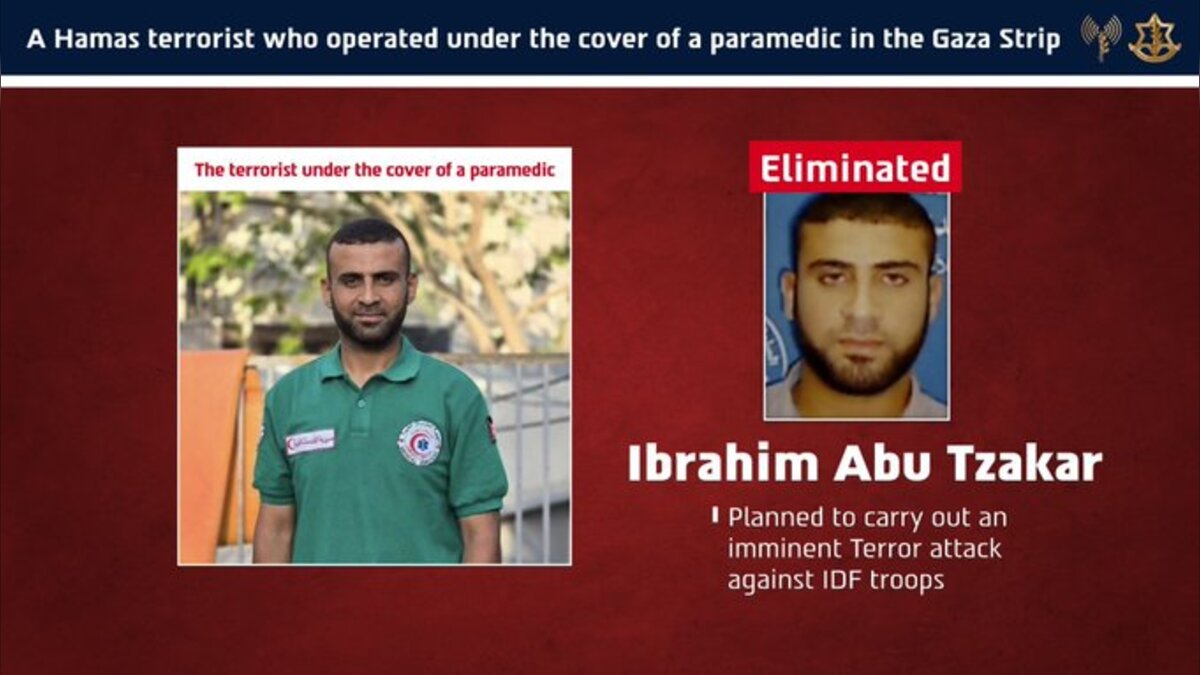
    The Israel Defense Forces said it has eliminated Ibrahim Abu Tzakar, whom it identified as a Hamas operative accused of taking part in attacks against Israeli forces and civilians.

    According to the IDF, Abu Tzakar had operated under the cover of a paramedic while also being involved in militant activity. The military alleged that he helped lead multiple attacks targeting IDF troops and Israeli civilians.

    Accused Role in the October 7 Attack

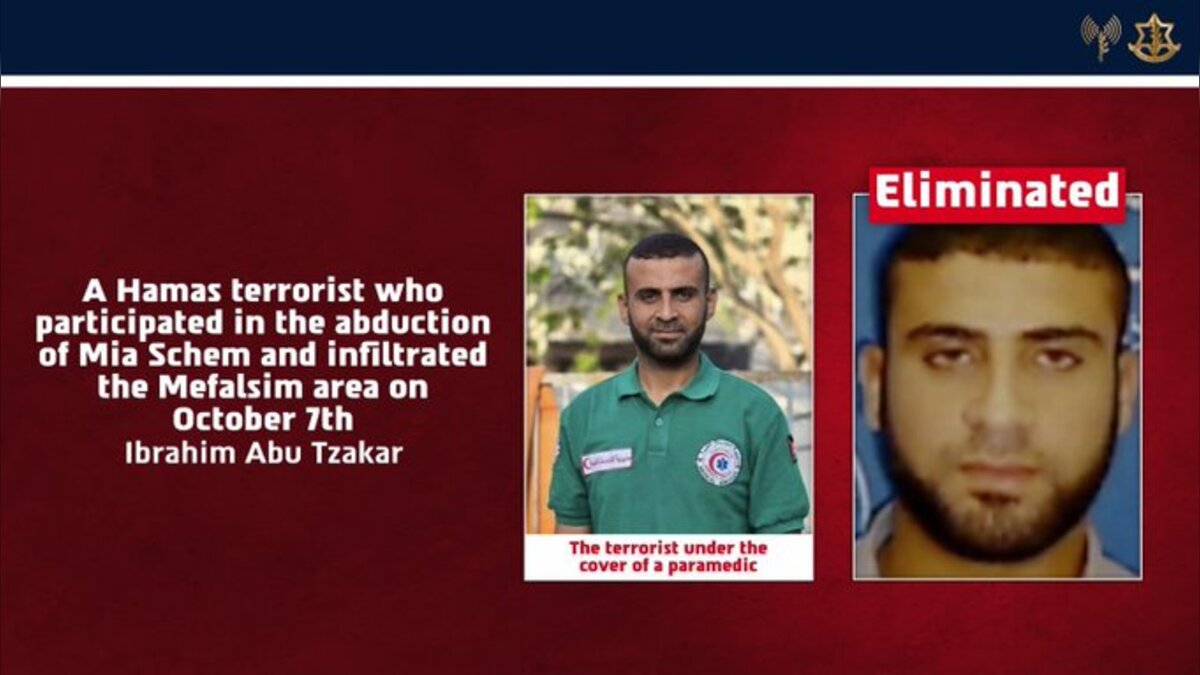
    The IDF said Abu Tzakar crossed into Israel during the October 7 massacre and was involved in the abduction of Mia Schem from the area near Mefalsim.

    Schem was among those taken hostage during the Hamas-led assault on southern Israel, an attack that triggered the ongoing war in Gaza and remains central to Israel’s military campaign against Hamas.

    Impact and Consequences

    The IDF’s announcement frames Abu Tzakar’s killing as part of its wider effort to pursue individuals it says were directly involved in the October 7 attacks.

    The allegation that he operated as a paramedic while participating in armed activity is likely to add further tension to debates over the use of civilian or medical roles in conflict zones.

    What’s next?

    Israel is expected to continue targeting Hamas figures it accuses of involvement in the October 7 assault, especially those linked to hostage abductions and attacks on civilians.

    Further details may emerge from the IDF regarding the circumstances of Abu Tzakar’s killing, including where and how the operation took place.

    Summary

    The IDF announced that Ibrahim Abu Tzakar, described by Israel as a Hamas terrorist and paramedic, was killed.

    The military accused him of helping lead attacks against Israeli troops and civilians and said he was involved in Mia Schem’s abduction near Mefalsim during the October 7 attack.

    Bulleted Takeaways

    • The IDF said Ibrahim Abu Tzakar has been eliminated.
    • Israel identified him as a Hamas operative who also worked as a paramedic.
    • The military accused him of leading attacks against IDF troops and Israeli civilians.
    • The IDF said he entered Israel during the October 7 massacre.
    • Abu Tzakar was accused of participating in the abduction of Mia Schem near Mefalsim.
  • Iranian Regime Executes Three Prisoners In Orumiyeh After Alleged Torture, Forced Confessions, And Denied Family Visits

    Iranian Regime Executes Three Prisoners In Orumiyeh After Alleged Torture, Forced Confessions, And Denied Family Visits

    Three men executed at Orumiyeh Central Prison in Iran were allegedly tortured, pressured into confessions, and denied final family visits before their deaths, according to letters and recorded phone calls shared with The Jerusalem Post by the Kurdistan Human Rights Network.

    The rights group said Yaghoub Karimpour, 43, Nasser Bakerzadeh, 26, and Mehrab Abdollahzadeh, 28, all managed to communicate with KHRN before they were executed.

    Karimpour and Bakerzadeh were hanged on Saturday, while Abdollahzadeh was executed on Sunday. KHRN said their relatives were not informed beforehand, despite Iranian law allowing families a final visit before execution.

    Rights Group Says Families Were Kept In The Dark

    KHRN said the men did not know they were about to be executed when Rebin Rahmani, a representative of the organization, spoke with them on the Saturday before their deaths.

    The organization also said the men’s families were later denied access to their bodies after approaching officials at Orumiyeh Central Prison.

    According to KHRN, authorities also prevented the families from holding religious memorial ceremonies.

    Yaghoub Karimpour Said He Was Forced To Confess

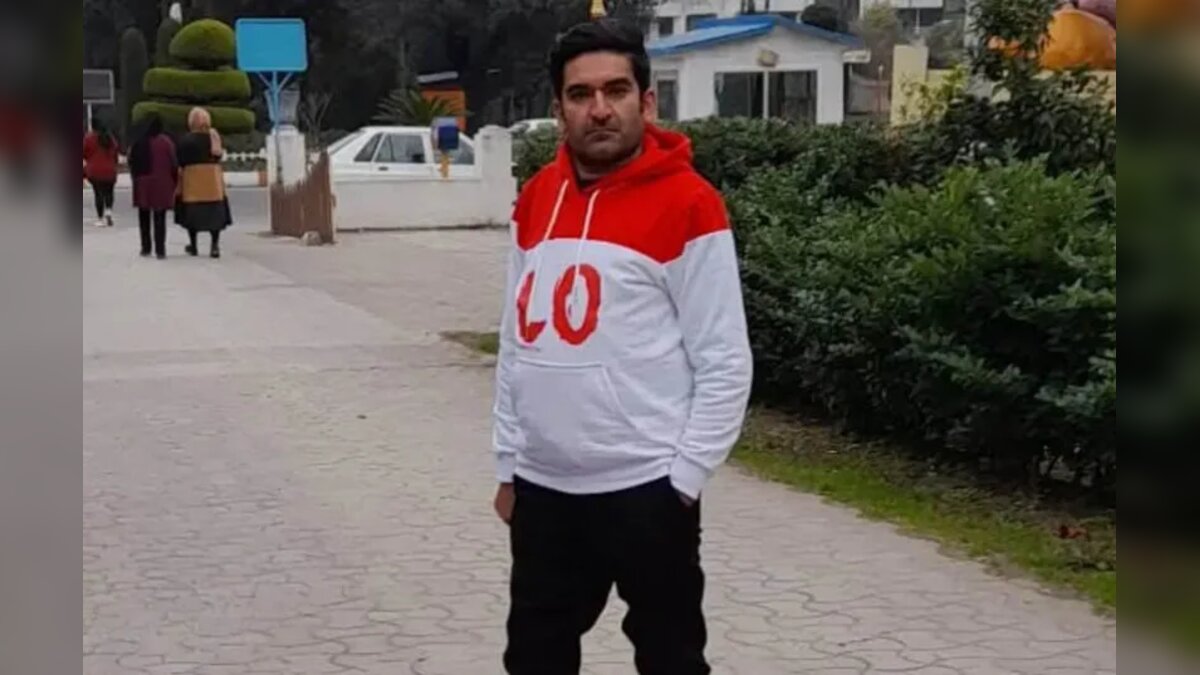
    Yaghoub Karimpour, a disabled Azerbaijani Turkic citizen, had been accused of passing sensitive information to a Mossad officer.

    Iran’s judiciary sentenced him to death on allegations of espionage. But KHRN and the Hengaw Organization for Human Rights said his confession came after severe physical and psychological pressure.

    In a January letter shared with The Jerusalem Post, Karimpour said interrogators threatened to intensify the torture of his wife, whose cries he said he could hear during questioning.

    “Many things were dictated to me, and I wrote untruths involuntarily and out of helplessness so that the torture and harassment of my wife would not continue,” he wrote.

    Karimpour Described Denial Of Medicine And Legal Rights

    Karimpour said he was arrested on June 16, 2025, and held for about two months in what he described as a “dark detention center of the Intelligence Ministry” before being transferred to Orumiyeh Central Prison.

    From prison, he told KHRN he had been subjected to torture for roughly two months before confessing to the charge of “Corruption on Earth” before Judge Sajjad Dousti.

    A law graduate, Karimpour said his rights were repeatedly violated. He said he was not told he had the right to a lawyer, was denied legal representation, interrogated while blindfolded, threatened with death, and tried in absentia through a video proceeding that lasted less than 15 minutes.

    He also said the indictment was changed on the day of trial to a charge carrying the death penalty.

    Karimpour denied ever having access to government secrets.

    “I have never held a position anywhere, nor have I frequented or entered government, military, or institutional centers.

    Naturally, I had no access to ordinary, confidential, or top-secret data, and I have not sent any information to any place or person; so how can they accuse me of espionage? [Ministry of] Intelligence agents want to blame their own faults and shortcomings on ordinary people; because if they were not at fault, so many commanders, scientists, and ordinary people would not have been killed in the 12-day war,” he wrote.

    Karimpour Said His Disabilities Were Used Against Him

    Karimpour said he had several serious health conditions, including complications from spinal and lung surgeries, chronic breathing issues, limited use of his limbs, and severe mental health struggles.

    He said Iranian authorities knew about his disabilities because he had received state support before his detention, but still denied him medication as a form of pressure.

    “I suffer from a severe physical disability; my entire spine has been plated, I suffer from severe shortness of breath due to surgery on my right lung, my limbs, namely my arms and legs, are incapacitated, and I suffer from a severe neurological and mental illness, and I have fear, panic, and phobia of narrow, dark, and enclosed spaces. Also, due to my skeletal deformity, severe pressure is placed on my heart,” he wrote.

    He added that panic attacks worsened his breathing problems and increased his heart rate.

    “Nervous attacks exacerbate my shortness of breath and increase my heart rate. I have medical records for each of my conditions and am under treatment.

    Despite my specific physical and mental status, I was treated like an ordinary person and subjected to various forms of torture, duress, and coercive suggestion to extract false statements dictated by the interrogator.”

    KHRN said Karimpour survived in prison largely through help from other inmates.

    Nasser Bakerzadeh Said His Case Was Reframed As Espionage

    Nasser Bakerzadeh was also accused of spying for Israel. According to audio recordings and documents he sent to KHRN, his death sentence for “spreading corruption on earth through intelligence cooperation or espionage in favor of the Zionist regime” had been overturned twice.

    In a phone call with KHRN, Bakerzadeh said plainclothes IRGC agents first came to his shop in 2023 and forced him to go with them.

    “About four or five months before I was actually arrested, in the summer of 2023, some men came to my shop in plain clothes. When I asked who they were, they didn’t answer. They were armed and told me that if I didn’t come with them, they would take me by force,” he said. “I was scared, so I closed up my shop and went with them. I got into a Persian car, and a motorcycle followed behind us. I didn’t even consider for a second that they might be from the IRGC Intelligence Organization; I had no idea who they were.”

    He said the men blindfolded him and took him to a private room, where they questioned him about a person named Hashem, with whom he said he had worked on tourism projects.

    Bakerzadeh Insisted His Work Was Tourism-Related

    Bakerzadeh said his connection to Hashem began in 2020 and involved tourism work, not military or intelligence activity.

    “Since I hadn’t done anything wrong, I spoke freely. I told them everything: in the winter of 2020, Hashem had messaged me saying he worked for a tourism company and wanted to collaborate on tourism projects. I agreed, and we ended up working together on several tourism-related jobs. That’s all it was, tourism. We never even took a photo near a military site. We were doing tourism research,” he said.

    He also said he had permission from the IRGC before taking photos of tourism locations.

    Court documents cited in the report said Bakerzadeh had claimed from the start that he did not provide information about military sites and had contacted authorities after becoming suspicious of the person he was dealing with.

    The Supreme Court also said prosecutors had not proven the alleged Mossad officer was connected to Israel.

    Bakerzadeh said the original accusation against him was “acting against national security,” but it soon changed.

    “When I was first arrested, the charge was ‘acting against national security,’ and there was no mention of Israel at all. Within two or three hours, that changed to “espionage for Israel.” They took the opportunity and completely reframed the charges against me,” he claimed.

    Bakerzadeh Said He Was Held In Solitary Confinement

    Bakerzadeh said he later agreed to help IRGC agents locate Hashem because he feared imprisonment. But he said the agents continued harassing him and even took phones belonging to his customers.

    He said the behavior made him question whether the men were truly IRGC agents, prompting him to travel to Iraqi Kurdistan for 20 days to think through the situation.

    “Every day I would call the man and say, ‘If you’re really from the IRGC Intelligence Organization, come meet me and bring my phones back.’ My plan wasn’t to flee. I went to Bashur only to figure out who these people actually were,” he told KHRN. “If they were from the IRGC Intelligence Organization, I would go back and answer their questions. I hadn’t done anything wrong. And if they weren’t, and they turned out to be just robbers, I would report them to the security forces.”

    After returning to Iran, Bakerzadeh and his father demanded the return of the phones and filed a complaint with the IRGC. He said the agent responded by obtaining an arrest warrant and accusing him of spying.

    Bakerzadeh was arrested on January 2, 2024. He said he spent three months in solitary confinement at an IRGC Intelligence unit and faced intense psychological torture.

    “They left me alone in that cell for twenty days at a time. I had lost my mind,” he said.

    Mehrab Abdollahzadeh Denied Killing A Security Officer

    Unlike the other two men, Mehrab Abdollahzadeh was not accused of spying for Israel.

    He was executed over his alleged role in the killing of security officer Abbas Fatemiyeh during the 2022 Women, Life, Freedom protests. Abdollahzadeh denied the accusation during calls with KHRN.

    “I am completely innocent, but they want to make me a scapegoat,” he said.

    He said IRGC agents came to his shop about a month after protests began following the death of 22-year-old Mahsa Amini. According to Abdollahzadeh, the agents demanded that he spy on people in his community.

    He said he refused, explaining that he was not a prominent figure and had no useful information.

    Abdollahzadeh Said He Signed A Confession Under Pressure

    Abdollahzadeh told KHRN that after he rejected the IRGC’s demands, agents physically and psychologically tortured him.

    “They then subjected me to both physical and psychological torture. They tied me to a chair and beat me for a week. When they realized I was innocent and couldn’t give them what they wanted, they switched to psychological torture. It got so bad that I started hitting my head against the wall, splitting it open in 20 to 30 places. I had lost my mind. They also gave me hallucinogenic substances to try to make me work for them,” he said. “After 30 to 40 days, they interrogated me again and showed me a video of a Basij member being killed. They told me they knew I wasn’t in the video and that I hadn’t done it.”

    He said agents promised to release him if he gave information about attacks on Basij members, but he had none to provide.

    Abdollahzadeh said he eventually signed a confession after agents abducted his girlfriend and threatened his family.

    He said he was then kept for 15 days in a tiny room measuring about two to three square meters. According to him, he was moved only after a doctor said his mental state had collapsed.

    Trial And Appeals Ended With Death Sentence

    Abdollahzadeh said that once he reached a regular prison cell, media reports about his case began circulating. But his family asked the media to stop because they believed the courts would handle the matter properly.

    “Once I was in prison, news about my situation started to appear in the media. But my family asked the media to stop, because they didn’t know any better; they believed the legal process would take care of things,” he said. “They thought the state wouldn’t convict someone for no reason. We believed that confessions made under torture would not be accepted in court and that a judge wouldn’t hand down a sentence without proper grounds. So, we hired a lawyer, and my trial took place seven to eight months later.”

    He said his trial was held across three sessions, but he was allowed to speak for less than five minutes in total.

    He was sentenced to death on September 19, 2024. His lawyers appealed after he was informed in October, but on December 18, 2025, he was told that Branch Nine of the Supreme Court had upheld the sentence. In mid-February 2026, the Supreme Court rejected his retrial request.

    Abdollahzadeh said the IRGC had pressured people who knew he was innocent to remain silent.

    “Every judge tells me to get the plaintiff’s consent. But the IRGC will not allow it. They openly want to make me the scapegoat,” he said. “They openly threaten my family. We have hired two lawyers, both of whom have written defenses and traveled to Tehran, but no one is willing to listen, and no one is hearing our voice. All they want is to make me the scapegoat.”

    He told KHRN he was speaking publicly as a last resort.

    Impact and Consequences

    The executions have intensified concerns among human rights groups over Iran’s use of torture, forced confessions, secretive judicial proceedings, and denial of family rights in death penalty cases.

    KHRN’s account suggests that all three men faced serious due process concerns before being executed. The allegations include lack of access to lawyers, coerced statements, solitary confinement, physical abuse, psychological torture, and denial of final visits.

    The cases also highlight broader fears that Iranian authorities are using security-related accusations to silence dissent, punish alleged links to foreign states, and intimidate communities after periods of protest and conflict.

    For the families, the consequences remain immediate and painful. According to KHRN, they were denied final visits, denied access to the bodies, and barred from holding religious memorial ceremonies.

    What’s Next?

    KHRN is continuing to publicize the men’s accounts and the circumstances surrounding their executions.

    Rebin Rahmani of KHRN told The Jerusalem Post that the Iranian regime has begun executing prisoners involved in security-related cases as an “act of revenge” against Israel and the United States.

    “The regime wants to spread fear and intimidation among people, so telling the people,” he said, adding that the purpose was to frighten Iranians away from protesting against the government or having any contact with Israel.

    Human rights organizations are likely to continue pressing for international attention on the cases, particularly the allegations of torture, coerced confessions, and denial of basic legal protections.

    Summary

    Three men executed at Orumiyeh Central Prison allegedly described torture, coercion, denial of legal rights, and forced confessions before their deaths, according to materials shared by the Kurdistan Human Rights Network.

    Yaghoub Karimpour and Nasser Bakerzadeh were accused of spying for Israel, while Mehrab Abdollahzadeh was accused of involvement in the killing of a security officer during the 2022 Women, Life, Freedom protests. All three denied key accusations or said their confessions were forced.

    KHRN said none of their families received a final visit, and authorities have continued to deny families access to the bodies and memorial ceremonies.

    Bulleted Takeaways: Iranian Prisoners Allegedly Tortured Before Execution In Orumiyeh Central Prison

    • Three men were executed at Orumiyeh Central Prison after allegedly describing torture and mistreatment to KHRN.
    • Yaghoub Karimpour, 43, and Nasser Bakerzadeh, 26, were hanged on Saturday.
    • Mehrab Abdollahzadeh, 28, was executed on Sunday.
    • KHRN said the men’s families were not informed ahead of the executions and were denied final visits.
    • Karimpour, a disabled Azerbaijani Turkic citizen, said he confessed after threats were made against his wife.
    • Bakerzadeh said his case began as a national security accusation but was later reframed as espionage for Israel.
    • Abdollahzadeh denied killing a security officer and said he was made a scapegoat after the Women, Life, Freedom protests.
    • All three cases involved allegations of torture, coercion, denial of legal rights, or forced confessions.
    • KHRN said families have been denied access to the bodies and barred from holding religious memorial ceremonies.
    • A KHRN representative said Iran is using security-related executions to spread fear and intimidate the public.
  • Norwegian Parliament Delays Epstein Hearing After Former Diplomats’ Son Dies by Suicide Amid Oslo Corruption Scandal

    Norwegian Parliament Delays Epstein Hearing After Former Diplomats’ Son Dies by Suicide Amid Oslo Corruption Scandal

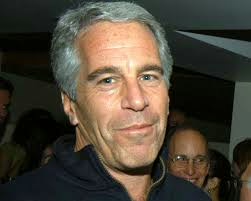
    A planned hearing in Norway’s Parliament about Norwegian connections to Jeffrey Epstein has been postponed following the death of the son of two former senior Norwegian diplomats.

    The hearing was supposed to examine links between Norwegians and Epstein, the late financier and convicted sex offender whose global relationships have continued to draw scrutiny years after his death.

    But lawmakers decided to delay the session after the 25-year-old son of former Norwegian ambassador Mona Juul and her husband, Terje Rød-Larsen, died by suicide last week.

    Former Diplomats Confirm Son’s Death Through Lawyers

    Juul and Rød-Larsen confirmed through their lawyers that their son had taken his own life.

    The death came shortly after renewed attention on the family’s relationship with Epstein. Earlier this year, extensive FBI files released in the United States reportedly identified the son and his twin sister as heirs to Epstein.

    The documents showed that Epstein had left both siblings large sums of money. They also revealed that Epstein had helped the son with university guidance and employment-related assistance.

    Epstein’s Relationship With the Family Under Scrutiny

    The family’s connection to Epstein has drawn public attention because of his long involvement with the International Peace Institute, also known as IPI, in New York.

    Rød-Larsen led the institute, which received millions in Norwegian state funding over the years. Epstein was closely tied to the organization, and his relationship with Rød-Larsen and the wider family reportedly extended beyond professional circles.

    According to the released files, members of the family had also spent holidays on Epstein’s private island in the Caribbean.

    Parliament Still Wants Answers

    Norwegian parliamentary leaders still have major questions about Juul, Rød-Larsen, and other Norwegians linked to Epstein.

    However, the disciplinary committee chose to postpone the hearing out of respect for the family’s grief. MP Jonas Andersen Sayed of the Christian Democrats Party said the delay was appropriate given the personal circumstances.

    At the same time, Sayed stressed that the seriousness of the matter has not gone away. He said facts still need to be placed on the table and that Norway must maintain control over how state funding has been used.

    Corruption Charges Add Pressure to the Case

    Juul and Rød-Larsen are already facing corruption charges connected to their relationship with Epstein.

    That has made the parliamentary hearing especially sensitive. Lawmakers are expected to examine not only personal links to Epstein, but also whether public money and institutional relationships were properly handled.

    The fact that IPI received millions in state funding has added to the political pressure surrounding the case.

    Impact and Consequences

    The postponement gives Juul and Rød-Larsen’s family time to grieve, but it also delays public answers in a case that has raised serious concerns in Norway.

    For Parliament, the situation creates a difficult balance between compassion and accountability.

    Lawmakers are trying to avoid appearing insensitive after a family tragedy, while still addressing questions about Epstein’s influence, state funding, and the conduct of high-profile Norwegian figures.

    The case may also deepen public concern about how Epstein built relationships with powerful international figures and institutions, including those tied to diplomacy, peace work, and publicly funded organizations.

    What’s Next?

    The disciplinary committee is expected to reschedule the hearing at a later date.

    When it moves forward, lawmakers are likely to question Juul, Rød-Larsen, and others with ties to Epstein.

    The hearing is expected to focus on the nature of those relationships, the role of the International Peace Institute, and the use of Norwegian public funding.

    For now, the hearing remains postponed as officials acknowledge the death within the Juul and Rød-Larsen family.

    Summary

    Norway’s parliamentary disciplinary committee has delayed a hearing into Norwegian ties to Jeffrey Epstein after the son of former ambassador Mona Juul and former International Peace Institute leader Terje Rød-Larsen died by suicide.

    The 25-year-old and his twin sister had reportedly been named in released FBI files as heirs to Epstein.

    The files also described Epstein’s financial and personal involvement with the family.

    While lawmakers say the postponement is appropriate given the tragedy, they also insist that the broader questions about Epstein’s influence, corruption charges, and state funding remain serious and unresolved.

    Bulleted Takeaways

    • Norway’s Parliament postponed a hearing into Norwegian links to Jeffrey Epstein.
    • The delay followed the suicide of the 25-year-old son of Mona Juul and Terje Rød-Larsen.
    • Juul is a former Norwegian ambassador.
    • Rød-Larsen formerly led the International Peace Institute in New York.
    • Both former diplomats are facing corruption charges tied to their relationship with Epstein.
    • Released FBI files reportedly named their son and his twin sister as Epstein heirs.
    • Epstein allegedly left both siblings large sums of money.
    • The files also showed Epstein helped the son with university and work-related matters.
    • Epstein had long-standing ties to the International Peace Institute.
    • Rød-Larsen’s institute received millions in Norwegian state funding.
    • The family reportedly spent holidays on Epstein’s Caribbean island.
    • Lawmakers say the hearing will still be needed to establish facts and review public funding concerns.
  • Russia Hammers Ukraine’s Power Grid Overnight as Fatal Strikes Kill Emergency Workers and Leave Thousands Without Electricity in Pavlohrad

    Russia Hammers Ukraine’s Power Grid Overnight as Fatal Strikes Kill Emergency Workers and Leave Thousands Without Electricity in Pavlohrad

    Ukrainian President Volodymyr Zelenskyy says Russia launched another overnight wave of attacks targeting Ukraine’s energy infrastructure, with the Poltava region among the hardest hit.

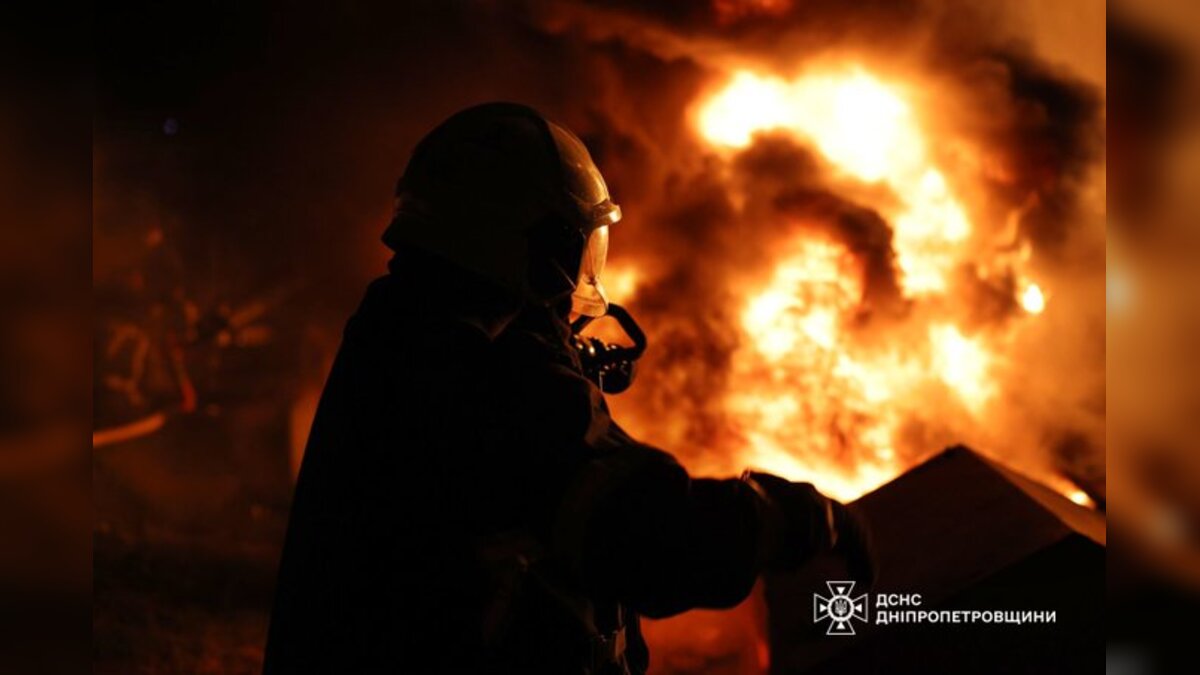
    According to Zelenskyy, Russian forces first attacked energy facilities, then struck again with a missile after emergency workers had already arrived to battle the fire.

    He described the second strike as especially cruel because rescuers were already on the scene trying to contain the damage.

    Four Killed in Poltava Region, Including Two Emergency Workers

    Zelenskyy said four people were killed in the Poltava region attack, including two State Emergency Service workers.

    He identified the fallen first responders as Hero of Ukraine Viktor Kuzmenko and Dmytro Skryl.

    Kuzmenko had reportedly responded to the aftermath of shelling more than 50 times, while Skryl had served in the State Emergency Service for more than 20 years.

    Zelenskyy offered condolences to their families and loved ones, calling attention to the risks emergency crews face when responding to Russian strikes.

    Dozens Injured After Energy Site Attack

    The Poltava strike also left dozens of people injured, according to the Ukrainian president.

    The attack adds to a pattern Ukraine has repeatedly condemned: strikes on energy infrastructure followed by danger to repair crews, firefighters, medics, and rescue teams. These workers often arrive quickly after the first impact, making them vulnerable if another strike follows.

    Kharkiv, Dnipro, Zaporizhzhia, and Kyiv Regions Also Hit

    The overnight attacks were not limited to Poltava. Zelenskyy said Russia also struck the Kharkiv region, where four people were injured and one person was killed.

    In the Dnipro region, critical infrastructure was attacked and three people were injured. In Pavlohrad, power lines were damaged, leaving thousands of families without electricity.

    There were also strikes on Zaporizhzhia and the Kyiv region, where three people were injured.

    Energy Infrastructure Was the Main Target

    Zelenskyy said Russia’s main targets overnight were energy infrastructure facilities.

    That focus is significant because attacks on power systems can create widespread disruption even beyond the immediate blast area.

    Damaged electricity lines and energy sites can affect homes, hospitals, water systems, businesses, and public services.

    For ordinary families, the consequence can be sudden blackouts, damaged heating or cooling systems, interrupted communications, and added fear during an already exhausting war.

    Zelenskyy Accuses Russia of Cynicism Over Ceasefire Talk

    The Ukrainian president sharply criticized Russia for asking for a ceasefire linked to what he called propaganda celebrations while continuing missile and drone strikes every day before it.

    Zelenskyy said Russia could stop firing at any moment, and that doing so would stop both the war and Ukraine’s responses. He argued that peace requires real steps, not public messaging while attacks continue.

    Ukraine Says It Will Respond in Kind

    Zelenskyy ended his statement by saying Ukraine will “act in kind,” signaling that Kyiv intends to match Russia’s actions with its own response.

    The message was both a warning and a political statement: Ukraine says it wants peace, but it will not treat ceasefire language as serious while Russian attacks on civilians, rescuers, and infrastructure continue.

    Impact and Consequences

    The immediate impact is deadly and deeply personal. Five people were reported killed across the Poltava and Kharkiv regions, including two emergency workers who were responding to the aftermath of an attack.

    Dozens more were injured, and thousands of families in Pavlohrad were left without electricity after power lines were damaged.

    The broader consequence is another blow to Ukraine’s energy resilience. Repeated strikes on critical infrastructure force emergency repairs, strain the power grid, and increase pressure on local authorities before every new round of attacks.

    The killing of first responders may also intensify anger in Ukraine and increase calls for stronger air defense support from international partners.

    Emergency workers are essential to saving lives after strikes, and attacks that hit them while they are responding can deepen public outrage and strengthen Kyiv’s argument that Russia is not acting in good faith.

    What’s next?

    Emergency crews will continue responding to damaged infrastructure, restoring electricity where possible, and assisting the injured. In Pavlohrad, repair teams will likely focus on restoring power to families affected by damaged lines.

    Diplomatically, Ukraine is expected to keep pushing the message that Russia’s ceasefire language cannot be trusted unless attacks actually stop. Kyiv may also renew appeals for more air defense systems to protect energy infrastructure, cities, and rescue workers.

    The next key question is whether Russia continues targeting power facilities and whether Ukraine responds with deeper strikes of its own.

    Summary

    Zelenskyy says Russia launched overnight attacks mainly targeting Ukraine’s energy infrastructure, with deadly strikes reported in the Poltava and Kharkiv regions.

    In Poltava, four people were killed, including two emergency workers who were responding to the scene after an earlier strike.

    Kharkiv saw one fatality and four injuries, while Dnipro, Zaporizhzhia, and Kyiv regions also reported damage and casualties.

    Zelenskyy accused Russia of hypocrisy for discussing a ceasefire while continuing daily missile and drone attacks, saying Ukraine will respond in kind.

    Bulleted Takeaways:

    • Russia attacked energy infrastructure in the Poltava region overnight.
    • Zelenskyy said a second missile strike hit after emergency workers were already at the scene.
    • Four people were killed in Poltava, including two first responders.
    • The killed emergency workers were identified as Viktor Kuzmenko and Dmytro Skryl.
    • Kuzmenko had responded to shelling aftermath more than 50 times.
    • Skryl had served in the State Emergency Service for more than 20 years.
    • Dozens of people were reported injured in the Poltava attack.
    • Russia also struck the Kharkiv region, killing one person and injuring four.
    • Critical infrastructure was hit in the Dnipro region, injuring three people.
    • In Pavlohrad, damaged power lines left thousands of families without electricity.
    • Strikes were also reported in Zaporizhzhia and the Kyiv region.
    • Three people were injured in the Kyiv region.
    • Zelenskyy said Russia’s main overnight targets were energy infrastructure facilities.
    • He accused Russia of cynicism for discussing a ceasefire while continuing daily strikes.
    • Ukraine says peace requires real steps and that it will respond in kind.
  • Britney Spears Pleads Guilty in Ventura County as DUI Case Turns Into Reckless Driving Conviction Involving Alcohol and Drugs

    Britney Spears Pleads Guilty in Ventura County as DUI Case Turns Into Reckless Driving Conviction Involving Alcohol and Drugs

    Britney Spears has resolved a misdemeanor DUI case in Ventura County after pleading guilty to reckless driving involving alcohol and an impairing drug. The plea was entered on May 4, 2026, during her first court appearance in Ventura County Superior Court.

    Her attorney appeared in court on her behalf and entered the guilty plea.

    Original Charge Was DUI Involving Alcohol and Drugs

    Prosecutors initially filed one misdemeanor count accusing Spears of driving under the influence of alcohol and drugs.

    At arraignment, however, the case was resolved through a plea to the lesser offense of reckless driving involving alcohol and an impairing drug.

    The Ventura County District Attorney’s Office said the outcome was consistent with standard practice in cases where a defendant has no prior DUI history, a low blood alcohol level, and where there was no crash or injury.

    District Attorney Says Spears Took Responsibility Early

    Ventura County District Attorney Erik Nasarenko said Spears accepted responsibility by entering a guilty plea at the earliest stage of the case, about two months after her arrest.

    Nasarenko also emphasized that driving while impaired, especially in a reckless or erratic manner, remains a serious offense because of the danger it creates for others on roads and freeways.

    Probation and DUI Program Ordered

    Under the terms of the plea, Spears was placed on 12 months of summary probation. She was also awarded credit for time served and must pay state-mandated fines and fees.

    She is required to complete a three-month, 30-hour first-offender DUI program. That program is commonly used in misdemeanor impaired-driving cases involving first-time offenders.

    Additional Conditions Focus on Alcohol, Drugs, and Treatment

    The plea also includes several driving-related conditions. Spears must submit to chemical testing for alcohol or drugs while driving, cannot operate a vehicle with any intoxicant in her system, and must agree to vehicle search terms related to alcohol or drugs.

    She is also required to continue substance abuse and mental health treatment.

    Prosecutors Say Rehabilitation Is Part of the Goal

    Nasarenko said the aim of the court’s conditions is not only punishment, but also long-term behavioral change through treatment and rehabilitation.

    He said the court has now put those conditions in place, leaving it to Spears to follow them.

    Impact and Consequences

    The plea allows Spears to avoid continuing litigation over the original DUI charge, while still leaving her with a criminal conviction tied to reckless driving involving alcohol and drugs.

    The probation terms also place clear restrictions on her driving and require continued treatment.

    For prosecutors, the resolution fits within the standard approach they described for first-time DUI-related cases with no injury, no collision, and a low blood alcohol level.

    For Spears, the next year will require compliance with probation, treatment, testing rules, and court-ordered programs.

    The case also keeps public attention on impaired driving, especially when involving a high-profile celebrity. Officials used the announcement to stress that impaired driving remains dangerous even when no crash occurs.

    What’s next?

    Spears must now complete her probation terms, pay required fines and fees, and finish the first-offender DUI program. She must also continue substance abuse and mental health treatment as ordered.

    If she complies with the court’s conditions, the case should move forward without further major court action. Any violation of probation terms, however, could bring additional legal consequences.

    Summary

    Britney Spears has pleaded guilty in Ventura County Superior Court to reckless driving involving alcohol and an impairing drug, resolving a misdemeanor DUI case at her first court appearance.

    Prosecutors said the original charge was driving under the influence of alcohol and drugs, but the case was settled under terms they described as consistent with first-time DUI-related cases involving no injury, no collision, and a low blood alcohol level.

    Spears received 12 months of summary probation, must complete a first-offender DUI program, pay fines and fees, follow testing and driving restrictions, and continue treatment.

    Bulleted Takeaways:

    • Britney Spears resolved her Ventura County DUI case on May 4, 2026.
    • Her attorney appeared in court and entered the guilty plea on her behalf.
    • Prosecutors originally charged one misdemeanor count of driving under the influence of alcohol and drugs.
    • The case was resolved with a plea to reckless driving involving alcohol and an impairing drug.
    • Prosecutors said the resolution matched standard practice for defendants with no prior DUI history.
    • The DA’s office also cited a low blood alcohol level and no collision or injuries.
    • Spears was placed on 12 months of summary probation.
    • She must complete a three-month, 30-hour first-offender DUI program.
    • She must pay state-mandated fines and fees.
    • She must submit to chemical testing while driving.
    • She cannot drive with any intoxicant in her system.
    • She must comply with vehicle search terms related to alcohol or drugs.
    • She is required to continue substance abuse and mental health treatment.
    • District Attorney Erik Nasarenko said the court’s goal includes accountability, treatment, and rehabilitation.
  • Ukraine Strikes Deep Inside Russia as Zelenskyy Says F-5 Flamingo Missiles Hit Military-Industrial Facilities in Cheboksary

    Ukraine Strikes Deep Inside Russia as Zelenskyy Says F-5 Flamingo Missiles Hit Military-Industrial Facilities in Cheboksary

    Ukrainian President Volodymyr Zelenskyy says Ukraine carried out another long-range strike against Russian military targets, describing the operation as a justified response to Moscow’s continued attacks on Ukrainian cities and infrastructure.

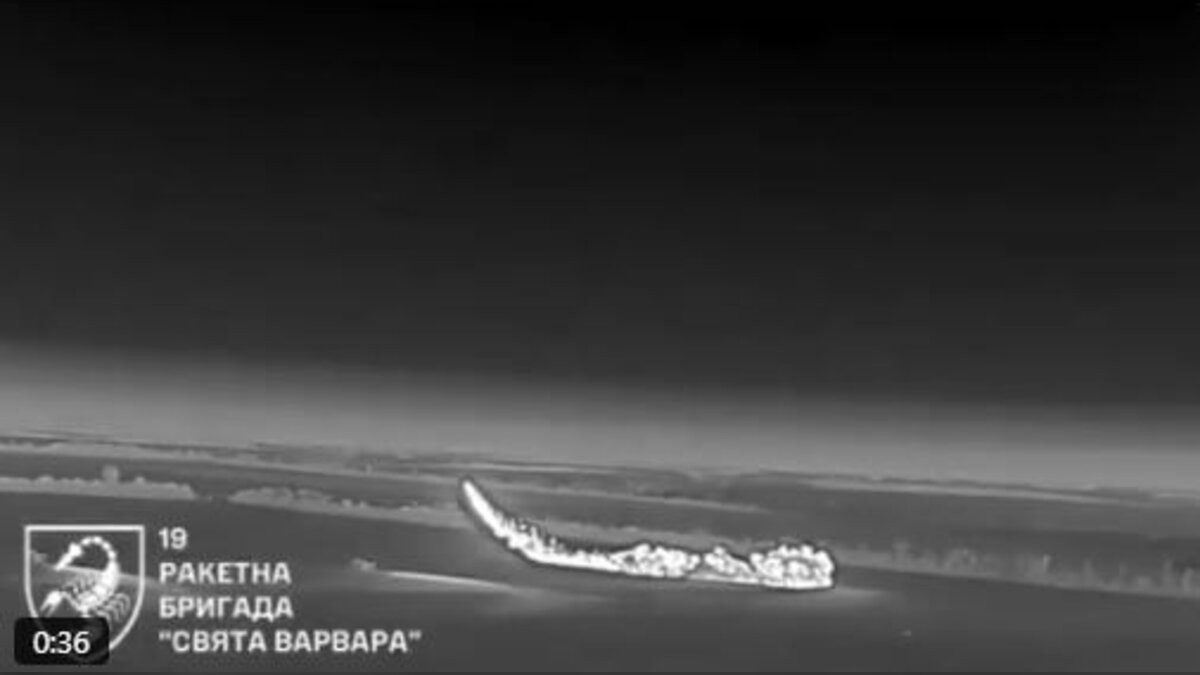
    According to Zelenskyy, Ukrainian forces launched F-5 Flamingo cruise missiles overnight as part of the Armed Forces’ Deep Strike operation.

    Strike Reached More Than 1,500 Kilometers

    Zelenskyy said the Ukrainian-made Flamingo missiles traveled more than 1,500 kilometers before hitting enemy targets.

    That distance is significant because it shows Ukraine’s growing ability to strike far beyond the front line and reach facilities deep inside Russian territory. Kyiv has increasingly framed these long-range operations as a way to weaken the systems and industries that support Russia’s war effort.

    Cheboksary Facility Among the Targets

    One of the targets mentioned by Zelenskyy was a military-industrial facility in Cheboksary, a city in Russia.

    He said the facility produced relay protection systems, automation systems, and low-voltage equipment. While those may sound like technical industrial products, Ukraine says the plant had direct military value because it supplied components used by Russian defense sectors.

    Ukraine Says Plant Supported Russian Navy, Missiles, Aviation, and Armored Vehicles

    According to Zelenskyy, the targeted facility supplied navigation components for several branches of Russia’s war machine, including the Russian Navy, the missile industry, aviation, and armored vehicles.

    He argued that these systems are part of what Russia uses in its war against Ukraine, making them legitimate targets for long-range Ukrainian strikes.

    Kyiv Calls Strikes “Long-Range Sanctions”

    Zelenskyy described Ukraine’s long-range attacks as a form of “sanctions” against Russia. The phrase suggests that Kyiv sees military strikes on Russian production facilities as another way to punish and restrict Moscow’s ability to continue the war.

    Unlike economic sanctions imposed by foreign governments, these “long-range sanctions” are carried out by Ukraine’s own forces using weapons capable of reaching Russian industrial and military targets.

    Zelenskyy Urges Russia to Choose Diplomacy

    After announcing the strike, Zelenskyy again called on Russia to end the war and move toward real diplomacy.

    He said Ukraine has already made its proposal clear, while maintaining that Russia must stop its aggression. His message combined military pressure with a political demand: Moscow should end the war rather than continue absorbing damage to its military-industrial base.

    Impact and Consequences

    The strike, if successful, could affect Russia’s ability to produce or supply components used in military systems. Facilities that support navigation, automation, missiles, aviation, naval systems, and armored vehicles are important because they help keep complex weapons and platforms functioning.

    The broader consequence is strategic. Ukraine is signaling that Russian factories supporting the war are no longer safe simply because they are far from the battlefield. Long-range strikes can force Russia to spend more resources on air defense, repairs, relocation, and protection of industrial sites.

    Politically, the operation also strengthens Kyiv’s message that Russia will face consequences for continued attacks on Ukraine. Zelenskyy is presenting these strikes as a direct answer to Russian bombardment, not as isolated military actions.

    What’s next?

    Ukraine is likely to continue targeting facilities it believes support Russia’s military-industrial complex. If the Flamingo missiles performed as described, Kyiv may place even more emphasis on long-range domestic strike capabilities.

    Russia may respond by increasing air defense around industrial sites, dispersing production, or launching retaliatory attacks against Ukrainian cities and infrastructure. Diplomatic pressure may also rise as Ukraine keeps arguing that the fastest way to stop these strikes is for Russia to end the war.

    Summary

    Zelenskyy says Ukrainian forces launched F-5 Flamingo cruise missiles overnight in a long-range Deep Strike operation against Russian targets, including military-industrial facilities in Cheboksary. The missiles reportedly traveled more than 1,500 kilometers. Ukraine says the targeted plant produced equipment and supplied navigation components for Russia’s navy, missile industry, aviation, and armored vehicles. Zelenskyy framed the operation as a justified response to Russian attacks and again urged Moscow to end the war through real diplomacy.

    Bulleted Takeaways:

    • Zelenskyy said Ukraine carried out a long-range strike overnight.
    • The operation used F-5 Flamingo cruise missiles.
    • The missiles were launched as part of Ukraine’s Deep Strike operation.
    • Ukrainian Flamingo missiles reportedly traveled more than 1,500 kilometers.
    • Targets included military-industrial facilities in Cheboksary, Russia.
    • The targeted facility produced relay protection systems, automation systems, and low-voltage equipment.
    • Ukraine says the plant supplied navigation components for Russia’s navy, missile industry, aviation, and armored vehicles.
    • Zelenskyy described the strikes as a just response to Russian attacks.
    • Kyiv is framing long-range strikes as a way to weaken Russia’s war production.
    • Zelenskyy again called on Russia to end the war and turn to real diplomacy.
  • IDF Says It Killed Ibrahim Abu Tzakar, Accusing Him of Planning Attack While Posing as Paramedic

    IDF Says It Killed Ibrahim Abu Tzakar, Accusing Him of Planning Attack While Posing as Paramedic

    The Israel Defense Forces said it eliminated Ibrahim Abu Tzakar, whom it described as a militant operating under the cover of a paramedic.

    According to the IDF, Abu Tzakar was planning an imminent attack against Israeli troops and had previously been involved in advancing attacks against both the IDF and the State of Israel.

    Israel Accuses Abu Tzakar of Abusing Medical Cover

    The IDF’s statement focused heavily on the claim that Abu Tzakar used his role as a paramedic as cover for militant activity.

    Israel said that by allegedly operating in that way, he endangered both soldiers and civilians.

    The accusation is serious because medical personnel are normally protected under the laws of war, but those protections can become a flashpoint when a military claims someone is using medical status to hide combat activity.

    IDF Says Attack Was Imminent

    The Israeli military said Abu Tzakar was not only linked to past attacks but was actively preparing a new one against IDF troops.

    The statement did not provide detailed evidence, the location of the strike, or whether others were killed or wounded in the operation.

    However, the wording suggests Israel viewed him as an immediate operational threat.

    Previous Attacks Were Also Cited

    The IDF also accused Abu Tzakar of previously leading and advancing attacks against Israeli forces and Israel more broadly.

    By pointing to both past activity and an alleged imminent attack, the military presented the killing as part of its broader campaign to disrupt militant planning before attacks can be carried out.

    Medical Identity Raises Wider Concerns

    The claim that a militant operated under paramedic cover adds another sensitive layer to the conflict.

    If confirmed, it would support Israel’s argument that militant groups exploit civilian and humanitarian roles for military purposes.

    At the same time, such claims are likely to be closely scrutinized because medical workers operate in extremely dangerous conditions and are central to civilian survival during conflict.

    Impact and Consequences

    The immediate consequence is the removal of a figure the IDF says was preparing an attack against its troops.

    Israel is likely to frame the operation as a preventative strike designed to protect soldiers and civilians.

    The wider consequence is the growing tension around medical neutrality in conflict zones.

    Allegations that someone used paramedic cover for militant activity can damage trust, increase suspicion around emergency responders, and place genuine medical workers at greater risk.

    This kind of incident may also intensify debate over how military forces distinguish between protected medical personnel and individuals accused of using medical roles to conduct or support attacks.

    What’s next?

    The IDF may release more details about the operation, including where it happened, how Abu Tzakar was identified, and what evidence supported the claim of an imminent attack.

    Humanitarian groups and observers may also watch closely for further clarification, especially because the accusation involves the use of medical cover.

    If more information emerges, it could shape how the incident is interpreted internationally.

    Summary

    The IDF says it eliminated Ibrahim Abu Tzakar, accusing him of operating as a militant under the cover of a paramedic.

    Israel said he was planning an imminent attack against IDF troops and had previously helped lead or advance attacks against the military and the State of Israel.

    The case raises wider concerns about the alleged misuse of medical roles in conflict and the risks such claims create for soldiers, civilians, and legitimate emergency workers.

    Bulleted Takeaways:

    • The IDF said it eliminated Ibrahim Abu Tzakar.
    • Israel described him as a militant operating under the cover of a paramedic.
    • The IDF said he was planning an imminent attack against Israeli troops.
    • Israel accused him of previously leading and advancing attacks against the IDF and the State of Israel.
    • The military said his alleged use of paramedic cover endangered soldiers and civilians.
    • The IDF did not provide detailed evidence in the brief statement.
    • No location or casualty details were included in the update.
    • The incident raises sensitive questions about medical neutrality in conflict zones.
    • Israel is likely to frame the strike as a preventative operation.
    • Further details may determine how the case is viewed by international observers.